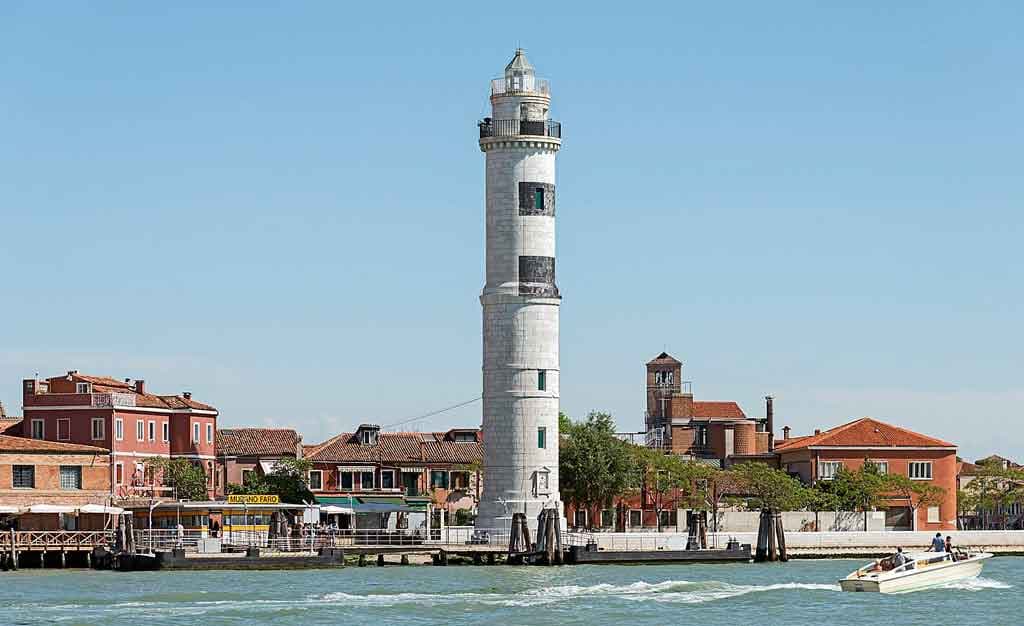
Day Trip to Murano Island: Exploring the Heart of Venice’s Glassmaking Tradition
Discover Murano Island's glassmaking heritage on a day trip. Explore workshops, canals, historic sites, and authentic Venetian artistry in the heart of the lagoon.
Venice, a city famous for its artistic and architectural treasures, has a lesser-known gem just a short boat ride away: the island of Murano. This picturesque island, famous as the epicenter of Venetian glassmaking, offers visitors a captivating blend of history, art, and charm. A day trip to Murano provides an immersive experience in glassblowing, where centuries-old techniques meet modern creativity.
This guide covers everything you need to know for a memorable visit, from the island's fascinating history to the best attractions, workshops, and tips for planning your trip.
Experience Venice with a Dedicated Personal Concierge
A brief history of Murano glass
The origins of Venetian glassmaking
The history of Venetian glassmaking dates back to the Byzantine era, when Eastern artisans brought their techniques and artistry to Venice. In the 8th century, Venetian glassmakers began to perfect these methods, creating objects of remarkable beauty and utility that became highly coveted throughout Europe.
The move to Murano in 1291
In 1291, the Venetian authorities moved all glassmaking furnaces to the island of Murano. This decision was due to the fire hazard posed by the furnaces in Venice's predominantly wooden urban landscape and the need to safeguard the secrets of Venetian glassmaking. Murano became a haven for innovation, and its artisans developed revolutionary techniques that elevated craftsmanship to an art form. Innovations and legacy Murano's glassmakers were pioneers in the use of colored glass, creating stunningly beautiful and useful objects that became highly sought after throughout Europe. The move to Murano in 1291 In 1291, Venetian authorities moved all glassmaking furnaces to the island of Murano. This decision was due to the fire hazard posed by the furnaces in Venice's predominantly wooden urban landscape and the need to safeguard the secrets of Venetian glass
Innovations and legacy
Murano glass artisans pioneered many techniques that remain the hallmark of the craft today. These include:
Crystalline glass: a form of pure, transparent glass.
Millefiori: a decorative pattern resembling a mosaic of small flowers.
Aventurine: glass speckled with metallic inclusions that give it a sparkling effect.
Murano's skill in glassmaking not only enriched Venetian trade, but also cemented the island's reputation as the world's leading center for glass art.
Plan your day trip to Murano
A day trip to the island of Murano is an exciting journey into Venice's glassmaking heritage, but proper planning ensures that the experience is as enjoyable as possible. From transportation logistics to scheduling your visit and preparing your luggage, every detail can enhance your exploration of this iconic destination.
How to get there
Getting to Murano is easy and enjoyable, thanks to Venice's efficient and well-connected vaporetto network. Be sure to use our interactive map of Venice veniceXplorer.
Several water bus routes, including lines 3, 4.1, and 4.2, offer frequent service between the main islands of Venice and Murano. These routes offer stunning views of the Venetian lagoon, allowing travelers to enjoy a scenic tour as they make their way to the island.
The journey time is typically between 20 and 30 minutes, depending on the departure point and the specific route chosen. A round-trip ticket costs approximately €15, making it an affordable option to add to your Venetian itinerary. For those interested in a more personalized experience, guided tours often include transportation and stops at other nearby islands, such as Burano or Torcello.
The best time to visit
Choosing the right time to visit Murano can significantly enhance the overall experience. Spring (March to May) and fall (September to November) are considered the best seasons to visit Murano. The weather is mild and pleasant during these times, ideal for leisurely exploring the island's outdoor attractions and workshops. The lower tourist traffic during these shoulder seasons provides a more peaceful atmosphere, allowing visitors to fully immerse themselves in the island's charm.
For those who prefer a more peaceful experience, it is recommended to visit the island first thing in the morning. Arriving before the midday rush allows travelers to enjoy the beauty of the island at its most serene and watch artisans at work in less crowded workshops.
What to bring
It is important to bring a few essentials to ensure a comfortable and enjoyable trip. Murano's cobblestone streets and bridges are best explored on foot, so comfortable walking shoes are a must. These will ensure that visitors can navigate the island's charming alleys, canals, and artisan workshops without discomfort.
Another essential item is a camera or smartphone with plenty of storage capacity. Murano's stunning scenery offers endless photo opportunities, from its colorful canals to the delicate art on display in its glass shops. Capturing the skill of the glassblowers during demonstrations is one of the highlights for many visitors.
Finally, it is essential to have an appetite for both discovery and Venetian cuisine. Murano is not only a center of artistic traditions, but also offers culinary delights that are worth savoring. It is also advisable to bring a small bag for souvenirs or glass art purchases, as the island is famous for its authentic, high-quality glassware.
Additional planning tips
Check vaporetto schedules: Although water buses run frequently, it is helpful to check schedules in advance, especially during off-peak hours.
Book workshops in advance: many glassmaking studios offer interactive workshops that fill up quickly, so it is recommended to book your place in advance.
Be mindful of weather conditions: if visiting the island in colder or unpredictable seasons, bring a light jacket or umbrella, as much of Murano's charm is enjoyed outdoors.
By carefully planning transportation, schedules, and luggage, visitors can ensure that their day trip to Murano is as smooth and enriching as possible, setting the stage for an unforgettable encounter with Venetian art and culture.
Best Murano Tours in Venice
Exploring Murano's glassmaking tradition
The art of glassblowing
Murano's glassmaking tradition is at the heart of its identity, a fascinating blend of science, skill, and art. The process begins with molten glass heated to over 1400°C. Master craftsmen, known as maestri, use a combination of blowing, sculpting, and fusing techniques to shape this shiny material into delicate and intricate designs.
Watching these artisans at work is an unforgettable experience. Each piece emerges as a unique creation that reflects centuries of expertise.
Workshops and demonstrations
Visitors to Murano can witness this art firsthand through workshops and demonstrations offered by some of the island's most famous studios, such as:
Venini: a studio world-renowned for its innovative and contemporary designs.
Barovier & Toso: one of Murano's oldest glassmakers, combining centuries-old techniques with modern creativity.
Vetreria Ducale: a smaller, family-run workshop offering intimate demonstrations.
For those seeking a more interactive experience, many studios offer hands-on workshops where visitors can create their own glass ornaments or small objects under the guidance of skilled artisans.
Murano Glass Museum (Museo del Vetro)
No visit to Murano is complete without a stop at the Museo del Vetro. Located in the Palazzo Giustinian, this museum offers a comprehensive overview of the history of Murano glass, from its Byzantine origins to its modern innovations. Exhibits include stunning examples of millefiori, chandeliers, and contemporary glass sculptures.
Other attractions in Murano
Although Murano is best known for its glassmaking traditions, the island offers a wealth of other attractions that enrich the visitor experience. From historic monuments to tranquil canals and lively shops, Murano has something to captivate every traveler.
Church of San Pietro Martire
One of Murano's most prominent landmarks, the Church of San Pietro Martire is a historic site that combines architectural elegance with spiritual significance. Originally built in the 14th century and rebuilt in the 16th century after a devastating fire, this church reflects the serene and artistic spirit of the island.
Inside, visitors encounter an impressive display of Murano glass chandeliers, showcasing the island's famous craftsmanship. These luminous pieces enhance the peaceful atmosphere of the church and highlight the role of glass art in the religious and cultural life of Murano.
The church also houses several works by renowned Venetian painters, such as Tintoretto and Giovanni Bellini, making it a must-see for art and history lovers. The combination of art and devotion in this space offers visitors a moment of reflection amid their exploration of the island.
The picturesque canals and bridges
Murano’s canals and bridges are the soul of the island, allowing visitors to immerse themselves in its unique charm. The picturesque waterways, lined with brightly colored buildings and traditional workshops, invite you to take walks that seem to transport you back in time. The serene atmosphere contrasts sharply with the bustling streets of central Venice, making Murano a peaceful retreat.
Visitors stroll along the canals and encounter numerous bridges connecting the island's small neighborhoods. These vantage points offer stunning views of the water and surrounding architecture, making them ideal for photography or quiet contemplation. Each turn reveals a new perspective on Murano's beauty, whether it's the reflection of a centuries-old workshop on the canal's surface or the gentle movement of boats transporting goods to local artisans.
Local Shops and Galleries
Murano is a treasure trove for authentic Venetian souvenirs and high-quality glass art. The island is home to numerous boutiques and galleries, where visitors can explore an impressive range of Murano glass items. These creations reflect the island's artistic excellence, from delicate jewelry and vibrant decorative pieces to elaborate chandeliers.
Visiting these shops is not just about buying items, but also an opportunity to connect with the artisans who bring these masterpieces to life. Many workshops and galleries welcome visitors to observe the manufacturing process or learn about the history and techniques behind their creations. Contact with these skilled artisans allows for a deeper appreciation of the time and dedication invested in the creation of each piece.
Murano allows collectors to acquire unique, handcrafted works that differ from mass-produced items. The island's “Vetro Artistico Murano” trademark guarantees authenticity, ensuring that each purchase contributes to the preservation of traditional glassmaking.
Additional attractions
Beyond these highlights, Murano offers a number of smaller attractions that add to its charm. The Campo Santo Stefano, a central square on the island, is a lively gathering place where visitors can relax and enjoy the local atmosphere. Here, an imposing glass sculpture by Simone Cenedese is a modern tribute to Murano's enduring legacy.
For those with time to spare, a visit to Murano's lesser-known streets and residential areas offers a glimpse into the daily lives of its inhabitants. These quieter parts of the island reveal hidden gardens, local cafes, and charming corners that often go unnoticed by tourists.
Buying authentic Murano glass
How to identify authentic Murano glass
Given its global reputation, Murano glass is often imitated. To ensure authenticity, look for the “Vetro Artistico Murano” mark, which certifies that the piece was made by expert artisans on the island of Murano. In addition, shop at reputable stores and workshops, and be wary of prices that seem too good to be true.
Best places to buy
For the best quality and craftsmanship, consider visiting:
Venini: Known for its contemporary and artistic glass designs.
Seguso: A family studio with a legacy dating back centuries.
Murano Glass Factory: Offers a wide range of traditional and modern designs.
Gastronomy in Murano
The best local restaurants
After exploring the island, visitors can enjoy a meal at one of Murano's charming restaurants. Among the most popular options are:
Busa Alla Torre Da Lele: Known for its authentic Venetian seafood dishes.
Osteria Acqua Stanca: Offers a mix of traditional and modern Italian cuisine.
Trattoria Ai Vetrai: A cozy spot with a menu featuring fresh, locally sourced ingredients.
What to try
Murano's culinary offerings reflect the flavors of Venice. Must-try dishes include:
Risotto al nero di seppia: Risotto with squid ink.
Sarde in saor: Sardines marinated in sweet and sour sauce.
Tiramisu: Venice's iconic dessert.
Tips for an unforgettable trip
Planning a visit to the island of Murano is not just about exploring its famous glass workshops, but also about making the experience as smooth and enriching as possible. With careful preparation and a few key tips, visitors can enjoy themselves to the fullest while respecting the island's unique culture and traditions. Arrive early
Arrive early
One of the best ways to enjoy Murano in all its splendor is to arrive early in the morning. By taking an early vaporetto early in the morning, visitors can avoid the midday crowds when the island fills with tourists. The tranquility of the morning hours allows you to explore Murano's attractions in a more intimate and relaxed way.
Arriving early also offers better opportunities to observe the artisans in their workshops before they fill up with large groups. Whether strolling through the island's picturesque streets, visiting the church of San Pietro Martire, or enjoying a quiet coffee by the canal, starting the day early sets the tone for a more peaceful and immersive experience.
Combine it with Burano or Torcello
Combine a visit to Murano with the neighboring islands, such as Burano or Torcello, is highly recommended for travelers who want to make the most of their time in the Venetian lagoon. Many guided tours and private boat excursions include multiple stops, offering a broader view of the lagoon's unique character and history.
Burano: Known for its brightly colored houses and intricate lace, Burano offers a stark but complementary contrast to the glass art of Murano. A stroll through Burano's lively streets offers endless photo opportunities and the chance to explore another facet of Venetian craftsmanship.
Torcello: For history lovers, Torcello offers a quieter, more ancient experience. This island is home to the Basilica of Santa Maria Assunta, with stunning mosaics that rival those of St. Mark's Basilica in Venice. Torcello's serene, almost mystical atmosphere makes it an excellent complement to a day of exploring Murano.
Combining these islands into a day trip not only enhances the visit, but also allows for a deeper appreciation of the diverse cultural and artistic traditions of the Venetian lagoon.
Respect local artisans
Murano is home to generations of master glassmakers who dedicate their lives to preserving and perfecting this ancient craft. Respecting their work is a fundamental part of a meaningful visit. Visitors are encouraged to avoid excessive haggling when purchasing authentic Murano glass items. Each piece is handmade with great skill and care, reflecting hours of meticulous work and high-quality materials.
Visitors can foster a deeper connection with the artisans and their heritage by appreciating the craftsmanship and stories behind each creation. It is also essential to shop at reputable stores and galleries that display the “Vetro Artistico Murano” trademark, which guarantees the authenticity of the pieces and supports the local economy.
Day trip to Murano Island
Visitor information
Hours: The Museo del Vetro (Murano Glass Museum) in the Palazzo Giustinian is open daily. From April to October, hours are from 10:00 a.m. to 6:00 p.m., with last admission at 5:00 p.m. From November to March, it closes one hour earlier: it is open from 10:00 a.m. to 5:00 p.m., with last admission at 4:00 p.m. The Basilica dei Santi Maria e Donato has split opening hours: Monday to Friday, from 9:00 a.m. to 12:00 p.m. and from 3:30 p.m. to 7:00 p.m.; on Saturdays only in the afternoon (from 3:30 PM to 7:00 PM) for part of the day.
Most glassblowing workshops and demonstrations in Murano operate from approximately 9:30 a.m. to 4:30 p.m. Many require advance booking. Shops in Murano usually close around 6:00 p.m.
Best time to visit: Ideally, visit in the morning or early afternoon to see the glassblowing workshops in full swing and before many shops and attractions begin to close. Outside of peak tourist season (i.e., the shoulder months), you can enjoy a more relaxed experience with fewer crowds and possibly more flexible workshop hours. Those wishing to enjoy special evening events should note that the Glass Museum sometimes extends its hours on Fridays and Saturdays from May to September until 8:00 PM. Dress code and entry rules: There is no strict dress code at secular attractions.
Dress code and entry rules: There is no strict dress code at Murano's secular attractions, but modest clothing is appropriate, especially in religious buildings such as Santi Maria e Donato. Comfortable walking shoes are recommended due to cobblestone streets and docks. Workshops often have safety rules (e.g., distance from furnaces); visitors should follow staff instructions. Some locations require advance reservations; it is recommended to arrive early or right at the start time. Late arrivals may be turned away or have reduced access, especially for visits to glass workshops.
Ticket information
Ticket price for the Glass Museum (Museo del Vetro): according to secondary sources, it is around €10-15, but this may vary. (It is best to check the official MUVE website for up-to-date prices).
Tours that combine transportation, demonstrations, and several islands (e.g., Murano + Burano/Torcello) tend to be more expensive, depending on whether they are half-day or full-day, private or shared.
Online reservations: Many glass workshop/demonstration tours require advance reservations. For example, “Glass Blowing Visits” stipulate that reservations are mandatory. Combined island tours (Murano, Burano, Torcello) can be booked online; many options offer free cancellation policies and “book now, pay later” policies. Booking in advance ensures that you won't have to wait or be turned away, especially during peak season or when participating in guided workshops or factory tours.
Guided tours: Guided walking tours of Murano typically include glass blowing demonstrations and visits to showrooms or historic churches, and last approximately 2 hours. Boat or vaporetto tours covering Murano (and often Burano or Torcello) offer a more comprehensive overview, covering craftsmanship, local history, and panoramic views of the lagoon. Private or small group guided tours offer more personalized experiences and flexible schedules, but at a higher cost.
Our recommended tickets and tours
Tour Accompanied by St. Mark's Square and Rialto Bridge
Traditional Bragozzo Boat Tour to Murano, Burano & Torcello
Venice : Private Boat Tour of the Venice Lagoon
Additional tips for an enriching experience
Plan ahead: Researching and booking workshops or guided tours in advance ensures a smooth and stress-free visit. Many popular workshops and demonstrations have limited space, so booking in advance is recommended.
Take your time: While it may be tempting to rush through Murano's attractions, taking the time to savor each experience allows for a more satisfying visit. Whether enjoying the Murano Glass Museum or chatting with artisans in a local workshop, a slower pace often reveals hidden treasures.
Dress comfortably: With Murano's cobblestone streets and numerous bridges, comfortable footwear is a must. The best way to explore the island is on foot, so dressing appropriately for the season will make for a more enjoyable experience.
Respect the environment: Murano thrives on sustainable tourism. As part of the delicate ecosystem of the Venetian lagoon, visitors are encouraged to dispose of waste responsibly and use refillable water bottles to reduce plastic consumption.
Best Burano Tours in Venice
Conclusion
A day trip to the island of Murano is a journey into the heart of Venice's artistic soul. From the island's rich history and famous glassmaking tradition to its charming streets and delicious cuisine, Murano offers an unforgettable experience for lovers of art, culture, and history.
By supporting local artisans and immersing themselves in the island's unique charm, visitors gain a deeper appreciation for this centuries-old craft and help preserve a legacy that continues to shine with the same splendor as the glass it produces.
Plan your visit to Murano and discover the timeless magic of Venice's glassmaking tradition.