Night Photography in Venice: Tips for Shooting the City After Dark
Venice, with its illuminated canals, historic architecture, and romantic ambiance, becomes a dreamscape for photographers after the sun sets.
The city’s intricate waterways reflect shimmering lights, while its iconic landmarks gain an ethereal glow under the moonlit sky. Capturing Venice at night offers unique opportunities for stunning imagery but also presents challenges such as low light and crowded areas.
This guide provides practical tips, creative techniques, and location suggestions for achieving breathtaking night photography in Venice. From the best gear to bring to hidden photo spots, this article equips photographers to make the most of their nocturnal adventures.
Best Photography Tour in Venice
1. Preparing for Night Photography in Venice
Essential Equipment
Excelling in night photography requires the right tools tailored for low-light conditions. A camera with excellent low-light performance, such as one equipped with a large sensor and high ISO capabilities, is indispensable.
A sturdy tripod is critical for stabilizing long-exposure shots, ensuring sharp images even during extended shutter speeds. A remote shutter release is equally valuable, as it eliminates the risk of camera shake caused by manually pressing the shutter button.
For adventurous photographers, a weighted tripod or sandbag can offer extra stability, especially when shooting near canals or in windy conditions.
Always pack multiple batteries and memory cards, as long-exposure shots demand significant power and storage. Protective gear, such as lens hoods and waterproof covers, ensures that your equipment stays safe from unexpected weather changes.
Optimal Settings for Night Shots
Understanding camera settings is essential to mastering night photography. Start with a low ISO (100-800) to minimize digital noise. Adjust the aperture to a wide setting (f/2.8 or f/4) to allow more light into the lens.
Experiment with shutter speeds ranging from 5 to 30 seconds to capture stunning effects, such as smooth water surfaces or light trails. Always use manual focus for precision, as autofocus may struggle in low light. Shooting in RAW format is non-negotiable for post-processing flexibility, allowing adjustments to exposure and color without compromising image quality.
For photographers seeking even greater control, custom white balance settings can help accurately render the warm hues of Venice’s streetlights and the cooler tones of moonlight reflecting off the canals.
Practical Tips
Venice’s lagoon climate can be unpredictable, especially at night. During winter, temperatures drop, and the breeze from the water can be chilly.
Dress in layers and bring gloves to ensure comfort during extended shoots. Mapping out your route in advance is vital—Venice’s labyrinthine streets are charming but easy to get lost in. Use a map or GPS to prioritize key locations and avoid backtracking.
Plan to arrive at popular spots like St. Mark’s Square or the Rialto Bridge early to secure your desired vantage point. Avoid carrying excessive gear, as Venice’s narrow walkways and bridges can be challenging to navigate with heavy equipment.
2. Best Locations for Night Photography in Venice
St. Mark’s Square (Piazza San Marco)
St. Mark’s Square is a treasure trove for night photography. The illuminated façade of St. Mark’s Basilica and the towering Campanile create a scene of grandeur. During rainy evenings, the square’s wet pavement mirrors the surrounding lights, adding depth and elegance to compositions. Photographers can also capture the square’s arcades, whose soft golden light enhances the romantic atmosphere. For unique shots, visit during high tide to include reflective floodwaters.
The Grand Canal
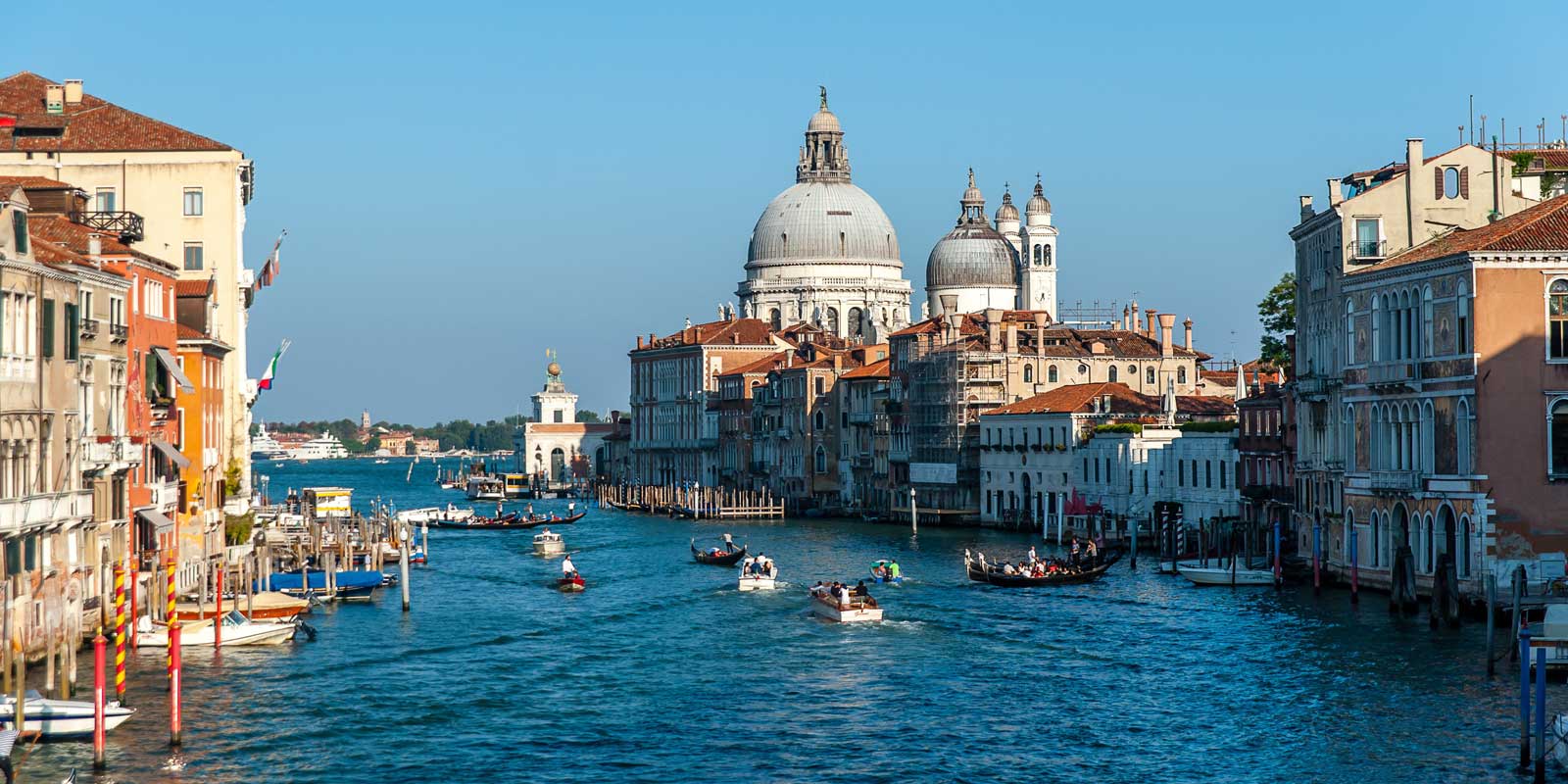
Venice’s Grand Canal is an ever-changing canvas of light and motion. From the Rialto Bridge and the Accademia Bridge, photographers can frame vaporetti and gondolas leaving trails of light across the water. Early evening is ideal for blending twilight’s cool tones with the warm glow of waterfront buildings. Experiment with long exposures to create dynamic images that showcase the canal’s vibrancy.
Rialto Bridge
The Rialto Bridge, with its intricate stonework and historic charm, is an iconic subject for night photography. Capture it from adjacent piers for compositions that highlight its arches and the illuminated canal below. The nearby Fondaco dei Tedeschi rooftop terrace offers elevated views, perfect for panoramic shots that include Venice’s skyline.
Doge’s Palace and Bridge of Sighs
These landmarks exude elegance when illuminated at night. The soft lighting on the Doge’s Palace enhances its intricate Gothic details, while the Bridge of Sighs offers a dramatic focal point. Use reflections in the water below to add dimension to your shots. For creative angles, position yourself on nearby walkways or gondola stations.
Cannaregio and Other Quiet Canals
For a peaceful shooting experience, venture into Cannaregio or other less-touristy neighborhoods. Lantern-lit canals and shadowed facades create an intimate ambiance that contrasts with the bustling main areas. These locations are ideal for capturing Venice’s timeless charm without interruption.
3. Creative Techniques for Night Photography
Long Exposure Shots
Long exposure photography is an indispensable technique for creating dynamic and mesmerizing night shots. This method is particularly effective for capturing the smooth, mirror-like surfaces of Venice’s canals and the light trails left by passing boats. Use a sturdy tripod and a remote shutter release to ensure stability and eliminate vibrations that could blur the image. When experimenting with shutter speeds of 10 to 30 seconds, photographers can create stunning effects such as the tranquil stillness of the water or the vibrant streaks of color left by gondolas and vaporetti.
The Grand Canal is a prime location for this technique. From vantage points like the Rialto Bridge or the Accademia Bridge, photographers can frame the illuminated façades of historic buildings against the light trails on the water. St. Mark’s Square offers another excellent setting, where pedestrian movement creates ghostly figures that contrast with the solid brilliance of the basilica and campanile.
Reflections and Symmetry
Venice’s reflective surfaces are a treasure trove for photographers seeking symmetry and balance. The city’s still waters and frequent puddles provide natural mirrors that double the beauty of its iconic landmarks. Look for opportunities in locations such as St. Mark’s Square, where the illuminated arches of the surrounding arcades create perfectly symmetrical compositions. The Rialto Bridge and smaller canals in quieter neighborhoods also offer ideal backdrops for capturing reflections.
To enhance symmetry, align the reflection with its source and use a centered composition. This approach not only emphasizes the harmony of Venice’s design but also adds a sense of calm and order to the images. For added interest, include dynamic elements like gondolas drifting through the scene or ripples in the water.
Framing and Depth
Incorporating natural frames is a powerful way to add depth and guide the viewer’s eye to the focal point of your image. Archways, bridges, and lampposts are abundant in Venice and can be used creatively to frame subjects like St. Mark’s Basilica or the Bridge of Sighs. Layering your compositions with foreground elements such as gondolas, silhouetted figures, or ornate railings creates a multidimensional effect that draws viewers into the scene.
Depth can also be achieved by capturing converging lines—for example, the parallel canals or the receding columns of a portico. This technique adds perspective and a sense of scale, emphasizing Venice’s architectural grandeur.
Black and White Photography
Nighttime in Venice lends itself beautifully to monochrome photography, where the play of light and shadow becomes the central focus. The stark contrasts created by illuminated landmarks against dark skies make for dramatic and timeless images. Subjects like the Bridge of Sighs, the gothic arches of Doge’s Palace, and the narrow alleyways lined with glowing lamps are perfect for exploring black-and-white aesthetics.
When shooting for monochrome, focus on high-contrast scenes and textures, such as cobblestone streets or ornate facades. Post-processing can further enhance the impact by adjusting tonal ranges and emphasizing details.
Buy Venice City Passes
4. Overcoming Challenges of Night Photography in Venice
Dealing with Crowds
Despite Venice's serenity at night, popular spots like St. Mark’s Square and the Rialto Bridge can still draw crowds. To avoid interruptions, visit these locations late at night when most tourists have retreated. Alternatively, explore quieter areas like Cannaregio or Dorsoduro, where you can capture Venice’s charm without distraction.
Patience is key when dealing with crowds. Wait for opportune moments when your composition clears, or incorporate blurred figures into your shots to add a sense of motion and vitality.
Low Light and Noise
Shooting in low light can be challenging due to the increased likelihood of digital noise. To mitigate this, use the lowest ISO possible while maintaining proper exposure. Invest in a camera with strong low-light performance to minimize grain. In post-processing, tools like Lightroom or Photoshop can help reduce noise and enhance image clarity.
Additionally, take advantage of ambient light sources such as streetlights and lanterns. Position yourself to make the most of these natural illuminators, which add warmth and depth to your compositions.
Weather and Reflections
Rainy nights and misty conditions may seem like obstacles, but they can add a unique atmosphere to your photos. Wet cobblestones and puddles create reflective surfaces that amplify Venice’s glow, while mist softens harsh lighting and lends an air of mystery. Protect your gear with waterproof covers and bring a lens cloth to prevent droplets from obstructing your shots.
Experiment with incorporating rain or mist into your compositions. A canal shrouded in fog or the reflections of colorful lights on wet pavement can transform an ordinary scene into something extraordinary.
5. Post-Processing Tips for Night Photos
Editing Tools
Post-processing is an integral part of refining night photos. Software like Lightroom and Photoshop offers tools for adjusting exposure, highlights, and shadows. Use the dehaze feature to enhance clarity, especially in foggy or misty shots, and adjust the white balance to correct color casts caused by artificial lighting.
Enhancing Details
Bring out the intricate details of Venice’s architecture by fine-tuning contrast and sharpening tools. Pay attention to elements like the ornate carvings of Doge’s Palace or the intricate mosaics of St. Mark’s Basilica. Removing glare from light sources using editing tools ensures a polished final image.
Highlighting Reflections and Color
Venice’s night scenes are rich in reflections and vibrant colors. Enhance these features by increasing vibrance and saturation, ensuring the hues remain natural and not overdone. Subtle tweaks can emphasize the warm glow of streetlights or the cool tones of moonlit canals, elevating the mood of your photographs.
Exploring Night Photography in Venice
Visitor Information
Opening Hours: Venice is an open city 24 hours a day, and the city's beauty at night provides unparalleled opportunities for night photography. Although the main museums and churches tend to close about 6:00–7:00 PM, Venice's bridges, canals, alleys, and piazzas are open and visited throughout the evening. Iconic spots such as Rialto Bridge, St. Mark's Square, Grand Canal, and Accademia Bridge are particularly atmospheric in the late evening and early morning when there are no crowds and natural light is surreal with dreamlike colors.
Best Time to Visit: Blue hour (shortly after sunset) and midnight are best times to photograph nighttime. From October to March, Venice has long nights and reduced humidity, providing clearer, crisper images—ideal for reflections and architecture detail. Warmer temperatures but greater crowds come with late spring and summer. 10:00 PM to 2:00 AM is less crowded to photograph these months.
It is recommended that professional photographers start at sunset (about 6:30–8:30 PM) and continue later in the evening, especially along the Grand Canal, Ponte dell'Accademia, and Fondamenta Zattere.
Dress Code and Entry Rules: There is no dress code to visit or photograph Venice in the evening. Tourists are merely required to dress warmly during winter and slip-resistance shoes since most stone pavement and bridges become wet and damp. Venice is generally safe at night, but tourists should not walk into dark alleys by themselves and constantly monitor equipment. Tripods are allowed in public areas, although one should be careful not to block narrow passageways or access routes.
Ticket Information
No entrance fees are required for night photography in Venice as most of the scenery—canales, piazzas, bridges, facades—are areas of public city space. However, access to rooftop rooftops or some viewpoints like T Fondaco dei Tedeschi, San Giorgio Maggiore bell tower, or campaniles may shut down early evening and charge tickets from daytime.
If one is shooting from a Vaporetto (waterbus) at night, an ACTV ticket must be purchased. A 75-minute ticket is €10, or longer-duration passes can be purchased more cheaply for longer durations of discovery.
Online Booking: No online pre-booking is required to wander the city after dark. Yet, if viewing involves sunset-crowning observation (like St. Mark's Campanile) or nighttime Vaporetto boat rides for photography along the canals, it is advisable to reserve public transportation tickets ahead of time on the Venezia Unica website.
Also, the other nighttime private tours and photography lessons must be reserved in advance online, especially during travel periods or photography festivals.
Guided Tours
Different night photography lessons and tours in Venice are normally led by local or international experts. The guided tours typically include:
Professional tips on night photography, ISO levels, and tripod usage
Trips to best spots with the best night reflections
Composition tips, exposure, and safety tips
A mix of public and hidden picture locations, from back streets and day tripper-less canals
They are 2–4 hours long, typically starting at sunset time, and prices range from €60 to €200, depending on group size and expertise offered (msecchi.com).
Our Top-Rated Tickets and Experiences
Best Tour to Peggy Guggenheim Collection in Venice
The Art of Murano: Personal Glassmaking Workshop
Unforgettable Classic Venice Photography Portrait Session
6. Insider Tips from Local Photographers
Timing is Key
Local photographers unanimously agree that timing is a crucial factor in achieving exceptional night photography in Venice. The period just after sunset, known as the blue hour, offers a soft, diffused light that beautifully enhances the city’s ambiance. During this time, the warm glow of streetlights begins to merge with the fading natural light, creating a harmonious balance that is ideal for capturing Venice’s iconic landmarks.
For those seeking tranquility and fewer interruptions, late-night hours are equally rewarding. As foot traffic decreases, popular locations like St. Mark’s Square and the Rialto Bridge become serene settings for uninterrupted compositions. Early risers may also find the predawn hours appealing, with the city shrouded in a tranquil stillness that is rarely experienced during the day.
Exploring Off-the-Beaten-Path Spots
While Venice’s famous landmarks are undoubtedly photogenic, local photographers recommend venturing beyond the crowded tourist areas to discover hidden gems. Neighborhoods like Giudecca and San Polo offer unique perspectives of Venetian life, with their quiet canals, shadowed alleys, and authentic architecture providing a canvas for creative compositions.
Giudecca offers panoramic views of Venice’s skyline, particularly striking when captured at night from its waterfront promenades. In San Polo, photographers can explore rustic bridges and quaint courtyards that exude an old-world charm. These less-explored areas not only provide fresh photographic opportunities but also allow for a deeper connection with Venice’s cultural essence.
Venice at Sunrise: The Best Photography Locations for Early Risers
Conclusion
Venice at night is a photographer’s dream, offering a blend of history, romance, and captivating beauty. By embracing creative techniques, overcoming challenges, and exploring iconic and hidden locations, photographers can capture images that do justice to this enchanting city.
Let the glow of Venice’s canals and landmarks inspire your creativity and make every shot a masterpiece.