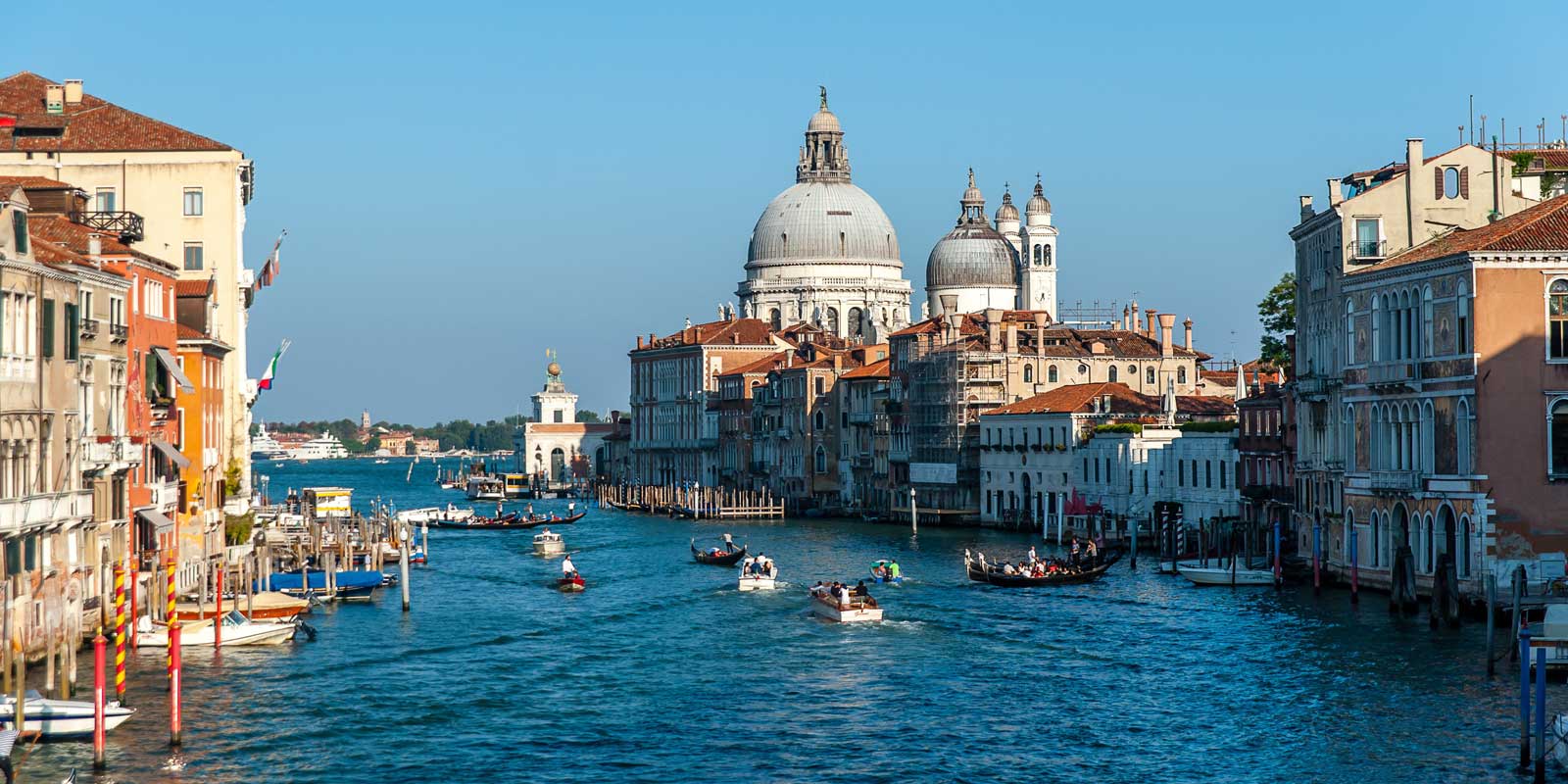
Weather by Month in Venice + Best Time to Visit Guide
Few cities in the world compare to Venice, a city fabled to be built on 117 islands connected by canals, bridges, and waterways that render the city both romantic and unpredictable. The climate here, tempered by the Venetian Lagoon and the Adriatic Sea, sets the rhythm of local life. Understanding the weather by month in Venice is very important for anyone who wants to see its splendour under the most comfortable and inspiring conditions.
The maritime breezes, the seasonal humidity, and the sporadic acqua alta contribute to the special characteristics of each month of the year in the city. Knowing when to come assures optimum comfort, definitely affects travel cost, levels of crowds at major attractions like St Mark's Square, and whether or not it is possible to get gondola rides along the Grand Canal.
This guide provides an expert month-by-month breakdown of temperature, rainfall, daylight, and special events to help travelers decide on the best time to explore the city's timeless charm.
Unmissable Venice Tours
Seasonal Overview: What to Expect
The climate of Venice is best described as humid subtropical, with warm summers and cool, damp winters. Rainfall is fairly evenly distributed throughout the year, and though it rarely snows, mist and fog frequently wrap the city in a mysterious veil during the colder months.
Summer (June–August) is hot, humid, and crowded, especially around St Mark’s Basilica and the Doge’s Palace.
Winter (December–February) sees low prices, misty canals, and an atmospheric calm—broken only by the vivid spectacle of the Venice Carnival.
The shoulder season, spring (March–May) and autumn (September–October), creates the ideal balance between mild temperatures and manageable crowds.
The average annual temperatures range from about 3 °C in January to 30 °C in July. Summer sunshine is plentiful, but the winter daylight barely lasts nine hours. Rain showers are brief but frequent, adding to the occasional acqua alta.
Those looking for the right blend of good weather and relative tranquility find April–May and September–early October to be the sweet spots, with affordable rates and a full range of city services operating smoothly.
Weather by Month
January: January is the coldest month in Venice, with daytime averages around 5–8 °C, while during nights it is often near freezing. Morning fog adds a haunting beauty to the Grand Canal, making it a dream for photographers. Rainfall is moderate, and acqua alta may occasionally appear.
Crowds are minimal, hotels near Santa Lucia Station offer excellent discounts, and main attractions such as the Correr Museum and the Peggy Guggenheim Collection stay comfortably quiet.
Suitable for low-budget travellers and those who enjoy the atmosphere of stillness, January is not very attractive to those seeking warm weather.
February: February remains cool, with highs of 8–10 °C, but energy surges as the Venice Carnival fills St Mark’s Square with masks, music, and parades. Prices rise steeply, and places to stay near San Marco Venice and Dorsoduro Venezia fill up well in advance.
Weather remains unpredictable—expect rain and damp air—but the festival atmosphere makes up for this fully.
March: Temperatures rise to 12–15 °C. The city starts waking up, cafes along Zattere open again, and the first signs of spring paint San Polo Venice's courtyards. Rains are moderate, but sunny intervals become longer.
Crowds build up before Easter, but airfare and hotel rates remain reasonable. March offers balance in that it can be nice without being too crowded.
April: Daytime temperatures rise up to 16–18 °C, while crisp evenings reach around 8–10 °C. Flowers bloom near Santa Maria della Salute, the gondoliers go back to full service, and daylight extends well past 8 p.m.
This is one of the best months for sightseeing-from San Giorgio Maggiore to the Bridge of Sighs-prior to summer's influx beginning. Light rain is a possibility, but comfortable weather and moderate crowds make April ideal.
May: Venice shines in the steady sun, averaging highs around 20–22 °C. The lagoon shines, and café terraces near Rialto Market and the Pescheria are well-filled. Rainfall lessens, and humidity remains manageable.
Crowds are bigger with the arrival of visitors for pre-summer holidays, but this is a great period for outdoor exploration in Murano, Burano Island Venice, and Torcello. Book accommodations early to ensure good rates.
June: Temperatures reach 24-28 °C, with noticeable humidity. Long daylight (up to 15 hours) allows for late evening strolls around Piazza San Marco or concerts at La Fenice Theatre.
It marks the beginning of high season: places like Doge's Palace, St Mark's Campanile, and the Accademia Gallery fill up fast. Sightseeing in the early morning or late evening is recommended.
July: The hottest month, averaging 28–30 °C, though peaks exceed 32 °C. Crowds surge, gondola queues lengthen, and hotel prices soar. Sunlight glistens off the Grand Canal, creating breathtaking reflections but demanding sunscreen and hydration.
One of the summer emotions of this city is the Festa del Redentore: a mid-July event that illuminates the Redentore Church and the Venetian Lagoon with fireworks.
August: Daytime averages 25–27 °C; humidity remains high. Many locals leave for Ferragosto holidays, thus closing smaller shops. Tourists, however, pack Lido di Venezia beaches and its waterfront bars like Harry’s Bar Venice.
There are mosquitoes and sultry nights, but the fun continues with outdoor concerts and lively nightlife, especially around Campo Santa Margherita.
September: Temperatures ease to 22–24 °C, evenings grow cooler, and light rains return. The Venice Film Festival on the Lido pulls in global celebrities. The air is fresh, the light softer—excellent photography at San Giorgio Maggiore or Basilica dei Santi Giovanni e Paolo.
Crowds thin after mid-month, marking one of the year's most comfortable and rewarding periods to visit.
October: The magic of autumn continues in October, with an average of 17–20 °C throughout the day and occasional rain showers. Everything in the city is so peaceful, with the golden colors mirrored on the quiet surface of the Grand Canal.
This is considered the "sweet spot" for visitors seeking comfort and culture: fewer tourists, while the temperatures are still warm, and easier access to highlights such as Scuola Grande di San Rocco and Santa Maria dei Miracoli.
November: Daytime averages fall to 12–14 °C, and at night near 6–8 °C. Rain peaks, and Acqua Alta becomes more likely. Yet, Venice's reflective puddles around St Mark's Square make for unforgettable scenes.
The lull in tourists brings excellent deals, peaceful museums, and a chance to see the locals celebrating Festa della Salute at Basilica di Santa Maria della Salute.
December: Cool weather, around 8-10 °C, combined with festive markets and twinkling lights near Caffè Florian Venice and Gran Caffè Quadri. Flooding can occur, but it's a magical scene.
With shorter days but warm hospitality, December closes the year on a serene note, perfect for those visitors drawn to Venice's quieter side.
Best Time to Visit – Based on Preference
For ideal weather and moderate crowds: April–May and September–early October offer comfortable temperatures, clear skies, and full services—the best time to visit according to experts like Rick Steves.
Budget travel: November-March (except for Carnival) means lower prices in hotels and fewer tourists, although some tourist services are reduced.
For festivals and events, it's February for Venice Carnival, July for Festa del Redentore, and late August/early September for the Venice International Film Festival.
For seaside escapes: July-August suit those who want to combine sightseeing with time at Lido di Venezia or nearby Jesolo.
Other Factors to Consider than Weather
Crowds & Pricing
Hotel prices are higher in the busiest months-April to June and September-particularly around the historic landmarks like St Mark's Square or Ponte di Rialto. Cruise-ship passengers further intensify congestion. Booking early helps secure fair rates.
Flooding (Acqua Alta)
Autumn and winter (October–December) are the most likely to experience acqua alta, when the sirocco winds push water into the lagoon. When this occurs, elevated walkways are set up, and tourists can safely continue to explore sites such as the Basilica di Santa Maria Gloriosa dei Frari.
Daylight Hours
December and January offer only nine hours of daylight; June enjoys nearly fifteen. Early risers can capture the best light to photograph San Giorgio Maggiore or the Bridge of Sighs with no crowds.
Service Availability
A few small hotels and restaurants, especially on Murano or Torcello, close for maintenance in midwinter. The best selection and prices are in spring and autumn.
Event Timings
The Venice Biennale, from May to November, Regata Storica in September, and Vogalonga at the end of May/beginning of June, demonstrate the visitor experience of cultural highlights that mark the artistic and nautical heritage of the city.
Best Venice Passes
Month-by-Month Quick Reference Table
Month | Avg Day Temp | Rain / Notes | Crowds & Cost | Ideal For |
January | 5–8 °C | Fog, occasional flood | Very low, best deals | Quiet stays, low budget |
February | 8–10 °C | Cold, Carnival crowds | Moderate-High | Festive atmosphere |
March | 12–15 °C | Spring rain | Low-Moderate | Early sightseeing |
April | 16–18 °C | Mild | Moderate | Best all-round month |
May | 20–22 °C | Light rain | Increasing | Island visits |
June | 24–28 °C | Hot, humid | High | Long days |
July | 28 °C + | Very hot | Very high | Summer festivals |
August | 25–27 °C | Humid | Very high | Beach extension |
September | 22–24 °C | Mild rain | Moderate-Low | Perfect balance |
October | 17–20 °C | Cool rain | Lower | Autumn colours |
November | 12–14 °C | Wetter | Low | Off-peak travel |
December | 8–10 °C | Flood risk | Low-Moderate | Festive season |
Practical Tips for Planning Your Visit
Pack layers during shoulder and winter months: waterproof jacket, warm jumper, and comfortable shoes. For summer, choose breathable clothing, sunscreen, and a hat; plan sightseeing early or late in the day.
Monitor acqua alta forecasts, particularly between October and December, through the official Venetian tide reports.
Book your accommodation in advance for April–June and September–October; areas near San Polo Venice or Dorsoduro Venezia provide quieter stays.
Be up early, about 8–9 a.m., to enjoy the quiet morning hours prior to cruise ship arrivals.
During the low season (Nov–Mar), indoor attractions take priority: Museo Fortuny, Ca’ d’Oro, Palazzo Grassi, or the Jewish Museum of Venice.
Check event calendars: festivals like Festa della Salute, Festa di San Marco, or Su e Zo peri Ponti draw local crowds and can affect transportation.
Use local transport apps and tide updates for real-time changes: water taxis and vaporetto lines change routes during flooding.
Summary & Key Takeaways
For most visitors, the best time to visit Venice lies between April and early June or September and early October. These months combine mild weather, balanced crowds, and the full vibrancy of Venetian life.
Travelers looking for the best economy and serenity should consider November to March, excluding Carnival, a time when mist softens the canals and hotels around Santa Croce Venice offer great value.
Summer (July–August) is ideal for long daylight, open-air concerts, and Lido beaches, though heat and congestion can test one’s patience. Winter pays out in contemplative quiet—the way Venetians themselves enjoy their city.
Ultimately, the "best time" is a matter of personal preference: festival grandeur, tranquil calli, or cinema light on the Grand Canal. Properly planned-in anticipation of tides, early booking, and adjustment to local rhythm-the Venetian experience can be truly authentic.
Best Venice Entry Tickets
Conclusion
Timing a Venetian journey is as much an art as a science. Each season will reveal a different personality-whether it's the hushed allure of San Giorgio Maggiore in January's mists, the joyous chaos of Venice Carnival in February, or the golden light across the Grand Canal in September.
It is for first-time visitors that spring-early autumn offers a reasonable balance: mild weather, affordable prices, and vibrant life in full swing across districts such as Cannaregio Venice, San Marco, and Dorsoduro Venezia.
Budget travellers or photographers might prefer the quieter winter, when reflections shimmer under low sunlight and St Mark's Basilica feels contemplatively empty. Whatever the month, preparation ensures enjoyment: check forecasts, pack accordingly, and make early reservations.
Venice rewards those who move in harmony with its rhythm-a city of water, light, and timeless emotion. Be it gliding through Gondola Ride Tours, admiring art at the Venice Biennale, or sipping espresso at Caffè Florian Venice, each visit becomes unforgettable when weather, season, and spirit harmonize.