Where to See Venice Paintings: Museums and Galleries Not to Miss
Venice, often regarded as the art capital of the world, holds an extraordinary place in art history. Its rich artistic heritage has shaped Western art for centuries, influencing movements like the Renaissance and Baroque.
From Tintoretto’s grand canvases to Giorgione’s enigmatic landscapes, Venice is home to some of the most celebrated paintings in the world. This guide explores the must-visit museums and galleries for art enthusiasts looking to delve into the treasures of Venetian art.
Best Murano + Burano Tour
Gallerie dell'Accademia
The Gallerie dell’Accademia is a pillar of Venetian art, offering unparalleled insight into the city’s artistic achievements. It houses the most extensive collection of Venetian paintings, spanning the 14th to the 18th century.
Situated along the Grand Canal, this museum is a haven for art enthusiasts and historians eager to explore Venice’s rich legacy of creativity and innovation.
Highlights: The museum features iconic works by Venetian masters such as Bellini, Titian, Giorgione, and Tintoretto. Each painting is meticulously displayed, creating a narrative showcasing Venetian art's evolution.
Notable Masterpieces:
"La Tempesta" by Giorgione: Often described as one of the most enigmatic pieces in art history, this painting mesmerises viewers with its atmospheric depiction of a storm and its ambiguous storytelling, sparking endless interpretations.
"Feast in the House of Levi" by Veronese: Originally intended as a Last Supper, this monumental canvas celebrates the luxury of Venetian society, demonstrating Veronese’s mastery in capturing grand banquet scenes filled with intricate details.
The museum’s expansive collection takes visitors on a comprehensive journey through Venice’s artistic evolution, making it an essential destination for those seeking to understand the city’s cultural and historical significance.
Scuola Grande di San Rocco
The Scuola Grande di San Rocco is a testament to Tintoretto extraordinary talent and is often referred to as Tintoretto’s Sistine Chapel. This historic confraternity, founded in the 16th century, is adorned with an unparalleled collection of the artist’s works, offering visitors a glimpse into the heart of Renaissance art.
The Scuola’s intricate interiors, with gilded ceilings and ornate woodwork, provide the perfect backdrop for Tintoretto’s emotionally charged masterpieces.
Significant Works:
"Crucifixion": Spanning an entire wall, this monumental painting captures the raw intensity of the crucifixion scene. Dynamic figures, vivid expressions, and dramatic contrasts of light and shadow bring the story to life, immersing viewers in the emotional weight of the moment.
"The Annunciation": In this striking portrayal, Tintoretto’s use of chiaroscuro (light and shadow) adds depth and drama, emphasizing the sacred interaction between the angel Gabriel and Mary. The interplay of divine light and earthly forms exemplifies Tintoretto’s technical brilliance.
Every corner of the Scuola reflects Tintoretto’s genius, making it a must-visit destination for art enthusiasts.
Beyond the paintings, the building itself is a marvel, with its lavish architecture complementing the artist’s works. Visiting the Scuola offers a deep appreciation of the interplay between art, spirituality, and history.
Peggy Guggenheim Collection
The Peggy Guggenheim Collection provides a refreshing and modern counterpoint to Venice’s historical art treasures. Located in the Palazzo Venier dei Leoni, an unfinished 18th-century palace along the Grand Canal, this museum is a sanctuary for lovers of 20th-century art.
It reflects the visionary spirit of Peggy Guggenheim, an influential collector who championed modern art.
Noteworthy Artists: The collection features iconic works by leading figures in art history, including Picasso, Pollock, Dalí, Kandinsky, and Braque. It spans pivotal art movements like Cubism, Surrealism, and Abstract Expressionism, offering a comprehensive view of the 20th century’s most revolutionary artistic developments.
Highlight:
"Empire of Light" by Magritte: This haunting and enigmatic painting juxtaposes a serene, sunlit sky with a darkened street scene below, challenging traditional perceptions of reality. Magritte’s exploration of light, shadow, and contradiction makes this piece a standout in the collection.
The Peggy Guggenheim Collection seamlessly bridges Venice’s artistic past with modern innovations, creating a dynamic and thought-provoking experience for visitors.
In addition to the artwork, the museum’s sculpture garden and views of the Grand Canal add to its charm, making it an unmissable stop for those seeking artistic diversity in Venice. Visitors can also gain insight into Guggenheim’s life and her pivotal role in shaping modern art’s trajectory, further enriching the experience.
Ca' Pesaro International Gallery of Modern Art
The Ca’ Pesaro International Gallery of Modern Art is a gem for modern art enthusiasts. Located in a grand Baroque palace overlooking the Grand Canal, this museum blends historical architecture and contemporary innovation. Its collection showcases an eclectic mix of 19th and 20th-century artworks, offering a fresh perspective on Venice’s art scene.
Key Paintings:
"Judith II" by Klimt: This powerful painting depicts the biblical figure Judith with sensuality and strength. Klimt’s signature use of gold detailing and intricate style make this piece a standout in the gallery.
"The Thinker" by Rodin: Though primarily known as a sculpture, this iconic work enhances the gallery’s narrative of human emotion and intellectual depth.
The Ca’ Pesaro integrates Venetian heritage with modern innovation, creating a unique space where tradition and modernity coexist harmoniously. Visitors can expect to leave with a deeper appreciation for how Venice continues to inspire artistic evolution.
Palazzo Ducale (Doge’s Palace)
The Palazzo Ducale, or Doge’s Palace, is one of Venice’s most iconic landmarks. This Gothic masterpiece served as the political and judicial heart of the Venetian Republic, housing the Doge, the republic’s highest official.
Its grand halls and intricate details tell the story of Venice’s immense power and influence during its golden age. The palace also offers a fascinating glimpse into the city’s artistic heritage, with many rooms adorned by works of renowned Venetian masters.
Artistic Highlights:
"Paradise" by Tintoretto: This monumental painting, one of the largest oil paintings in the world, dominates the Great Council Hall. Its intricate depiction of heaven, filled with saints and angels, reflects Tintoretto’s masterful use of scale and detail.
"The Rape of Europa" by Veronese: A dynamic and colourful portrayal of the mythological tale, this painting showcases Veronese’s ability to bring mythological subjects to life with vibrant compositions and expressive characters.
The palace’s Gothic architecture and rich artistic legacy make it a compelling destination for history buffs and art enthusiasts alike. Visitors can explore the grand chambers, walk across the Bridge of Sighs, and delve into the fascinating history of Venetian governance.
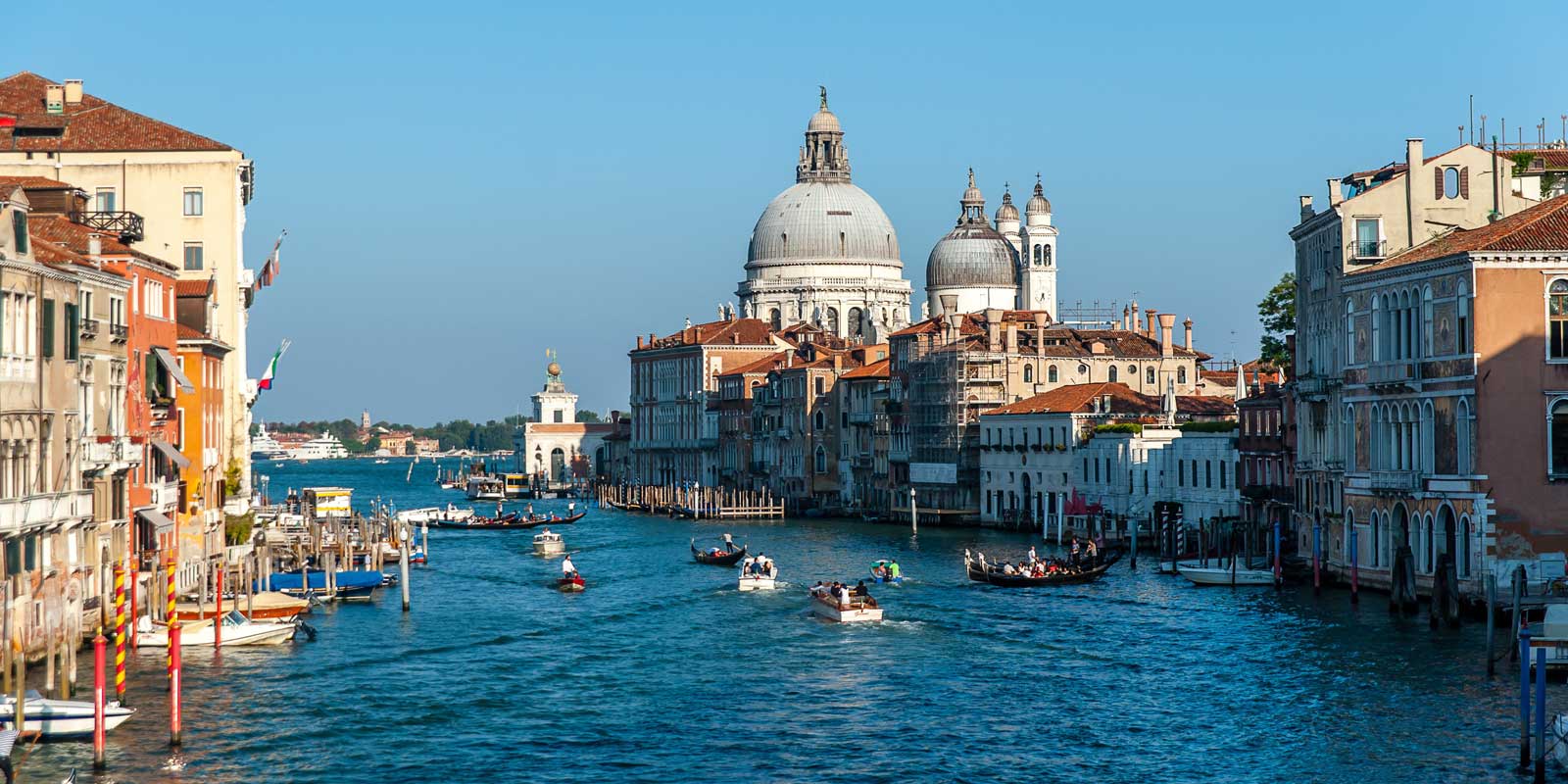
Basilica di Santa Maria della Salute
The Basilica di Santa Maria della Salute symbolizes Venice’s resilience and artistic devotion.
Built in the 17th century as a votive offering to the Virgin Mary during the devastating plague, this Baroque church is a masterpiece of architecture and spirituality. Its grand dome is a defining feature of Venice’s skyline and a symbol of hope and gratitude.
Featured Artworks:
"Marriage at Cana" by Tintoretto: A vibrant depiction of the biblical wedding feast, this painting showcases Tintoretto’s dramatic use of light and intricate detailing.
"Descent of the Holy Ghost" by Titian: This powerful work captures the moment of the Holy Spirit descending upon the apostles, highlighting Titian’s ability to convey spiritual intensity.
The basilica’s serene ambience and artistic treasures make it a must-visit destination for those seeking to experience Venice’s rich religious and artistic heritage.
Santa Maria Gloriosa dei Frari
The Santa Maria Gloriosa dei Frari, often referred to simply as the Frari, is one of Venice’s most significant Gothic churches.
Known for its imposing architecture and collection of Renaissance masterpieces, this church is a treasure trove of art and spirituality.
Important Works:
"Assumption of the Virgin" by Titian: This monumental painting dominates the church’s main altar. It portrays the Virgin Mary’s ascent to heaven with dynamic figures and dramatic use of colour. It remains one of Titian’s most celebrated works.
"Madonna and Child with Saints" by Bellini: This serene altarpiece, with its harmonious composition and gentle expressions, demonstrates Bellini's mastery of religious themes.
The Frari’s blend of Gothic architecture and Renaissance art makes it a significant cultural and spiritual landmark, offering visitors a glimpse into Venice’s artistic and religious history.
Best Art Tours in Venice
Chiesa di San Zaccaria
The Chiesa di San Zaccaria, a Renaissance church located near St. Mark’s Square, is a hidden gem that combines artistic brilliance with peaceful charm.
Known for its elegant design and stunning altarpieces, this church is a quiet retreat from the bustling heart of Venice.
Highlight
"San Zaccaria Altarpiece" by Bellini: This sacra conversazione (sacred conversation) painting is celebrated for its delicate interplay of light and harmonious composition, making it one of Bellini’s finest works.
With its serene atmosphere and artistic treasures, the Chiesa di San Zaccaria offers a unique and enriching experience for art lovers exploring Venice’s vast cultural heritage.
Exploring Where to See Venice Paintings
Visitor Information
Opening Hours: Doge’s Palace (Palazzo Ducale) via MUVE: open every day. In winter (1 November-31 March), from ~9:00 to 18:00 (last entry ~17:00); in summer (1 April-31 October) open until ~19:00 with last entry an hour before closing.
Musei Civici Venezia / Civic Museums (MUVE): various times depending on the season and museum. Many are open 10:00-18:00 or 10:00-19:00 (with last admission about one hour before closing) in summer; shorter hours in winter.
Peggy Guggenheim Collection: open daily 10:00-18:00, closed on Tuesdays; ticket office closes 1 hour before closing.
St. Mark’s Basilica: generally open 9:30 AM to ~5:15 PM, last admission ~4:45 PM. On Sundays & certain holidays, visitor access begins only after 2:00 PM.
Best Time to Visit: Early morning (at opening) or late afternoon approaching closing are the least crowded times for major sites. Outside of peak tourist season (summer) is preferable — autumn (after mid-September), late winter / early spring tend to offer fewer crowds, lower hotel rates, and more comfortable conditions.
Dress Code & Entry Rules: At St. Mark’s Basilica and other sacred / religious sites: shoulders and knees must be covered; sleeveless tops, short skirts, and shorts above the knee are not allowed. Hats should be removed, large/open bags are restricted.
Bag / luggage restrictions: large backpacks, wheeled luggage, or oversized bags are often not allowed inside; free deposit/left-luggage services are often available nearby.
Behaviour in religious sites: respect quiet; avoid loud conversations; photography may be limited (for private use only in many cases). Services (Mass, holy days) may interrupt visitor access, especially on Sundays or religious solemnities.
Ticket Information
MUVE Museum Pass: grants access to multiple civic museums in Venice (St. Mark’s Square museums + other civic museums). Valid for 6 months from purchase; one single admission to each included museum. Full price around €40, reduced ~€22.
St. Mark’s Square Museums combined ticket (Museo Correr, Archaeological Museum, Biblioteca Marciana’s Monumental Rooms, Doge’s Palace etc.): separate ticket approximately €25 for full, €13 reduced when booked in advance.
St. Mark’s Basilica ticket: “Basilica + Pala d’Oro + Museum & Loggia dei Cavalli” combinations are available. Bags larger than ~40 × 30 × 20 cm not permitted. Must select a time slot.
Online Booking: Strongly advised for St. Mark’s Basilica: time-slot bookings are now required. MUVE tickets & passes can be purchased online (Museum Pass, St. Mark’s Square museums etc.) which helps avoid queues. Some special exhibitions or "hidden"/after-hours visits may require separate advance booking.
Guided Tours: Guided tours are offered in many museums (Doge’s Palace, St. Mark’s Basilica etc.), often with skip-the-line or priority access. These may include special / hidden itineraries not available via standard tickets. Audio-guides are available in several major sites (St. Mark’s, Musei Civici etc.). Check on arrival or reserve ahead where possible.
Our Recommended Tickets
Exclusive Access Tour: Doge's Palace & St. Mark's Basilica Terrace
Half-Day Guided Tour to Murano, Burano & Torcello Islands
Private Trip to Murano, Burano & Torcello with Local Guide
Other Spots in Venice as Interesting as the Museum and Gallery
Venice, renowned for its rich artistic heritage and iconic museums, offers many other captivating attractions that offer visitors immersive experiences beyond traditional galleries. Here are some noteworthy sites that showcase the city's unique charm and cultural depth:
Libreria Acqua Alta: Dubbed "the most beautiful bookstore in the world," this quaint shop stores its books in bathtubs, gondolas, and waterproof bins to protect them from Venice's frequent flooding. Visitors can explore a labyrinth of literary treasures and even ascend a staircase made entirely of old books to enjoy a picturesque canal view.
The Mad Colored Houses of Burano: A short boat ride from Venice, the island of Burano is famed for its brightly painted houses, each in a different hue. Strolling through its vibrant streets offers a feast for the eyes and a glimpse into the island's lace-making traditions.
The Flooded Crypt of San Zaccaria: Beneath the Church of San Zaccaria lies a partially submerged crypt, creating an eerie yet fascinating atmosphere. The interplay of water and ancient architecture provides a unique experience for those interested in Venice's history and its relationship with the sea.
San Servolo Insane Asylum Museum: Located on the island of San Servolo, this museum offers insights into the history of mental health treatment. Exhibits include medical instruments, patient records, and artworks created by former patients, shedding light on a lesser-known aspect of Venetian history.
St. Mark's Clock Tower (Torre dell'Orologio): This 500-year-old technological marvel tells time and features intricate astronomical and zodiacal displays. Guided tours allow visitors to explore its inner workings and enjoy panoramic views of St. Mark's Square.
Scala Contarini del Bovolo: Hidden within Venice's labyrinthine streets, this spiral staircase, resembling a snail's shell, offers a unique architectural delight. Climbing to the top rewards visitors with stunning views over the city's rooftops.
Tomb of Antonio Canova: Housed in the Frari Church, this pyramid-shaped monument contains the heart of the renowned neoclassical sculptor Antonio Canova. The tomb's design and symbolism make it a poignant tribute to the artist's legacy.
Lazzaretto Nuovo: Once a quarantine island during the plague, Lazzaretto Nuovo now serves as an archaeological site and museum. Visitors can explore its storied past and learn about Venice's efforts to combat historical epidemics.
Row Venice: For an authentic Venetian experience, visitors can take rowing lessons in traditional batellina boats. This hands-on activity offers a unique perspective of the city's canals and a deeper appreciation for its maritime heritage.
Jewish Ghetto: As the world's first ghetto, this area provides rich historical insights. Guided tours delve into its history, synagogues, and the enduring legacy of Venice's Jewish community
Torcello Island: Often overlooked, Torcello offers a tranquil escape with its ancient cathedral and serene landscapes, providing a glimpse into Venice's early history.
Marbled Paper Workshops: Engaging in traditional marbling techniques allows visitors to create unique souvenirs while learning about this centuries-old Venetian craft.
These diverse attractions highlight Venice's multifaceted character, offering enriching experiences that extend beyond its renowned museums and galleries.
Buy Venice Museum Tours
Conclusion
Venice’s unparalleled art scene reflects the city’s history, culture, and creative spirit. From the grandeur of the Gallerie dell’Accademia to the modern innovations of the Peggy Guggenheim Collection, there is something for every art lover in this enchanting city.
For those eager to explore the legacy of Venetian art, these museums and galleries are to be noticed. Venice stands as a living testament to the power of art, continuing to inspire and captivate visitors worldwide.