Venice Carnival
The Venice Carnival is one of the world’s most celebrated and storied festivals, captivating visitors with its elaborate masks, extravagant costumes, and timeless traditions. Held annually in Venice, Italy, the carnival offers a mix of historical pageantry, parades, concerts, and masked balls, transporting attendees to a world of mystery, glamour, and festivity. With roots dating back to the 11th century, the Venice Carnival remains a beloved cultural event that attracts thousands of visitors from around the globe. This guide provides an in-depth look at the history, main events, iconic costumes, and practical tips for making the most of the Venice Carnival using an interactive map like Venicexplorer.
Key Events of the Venice Carnival
The Venice Carnival’s program is packed with events that appeal to all ages and interests, from grand parades and costume contests to exclusive masquerade balls.
- Festa Veneziana (Opening Ceremony)
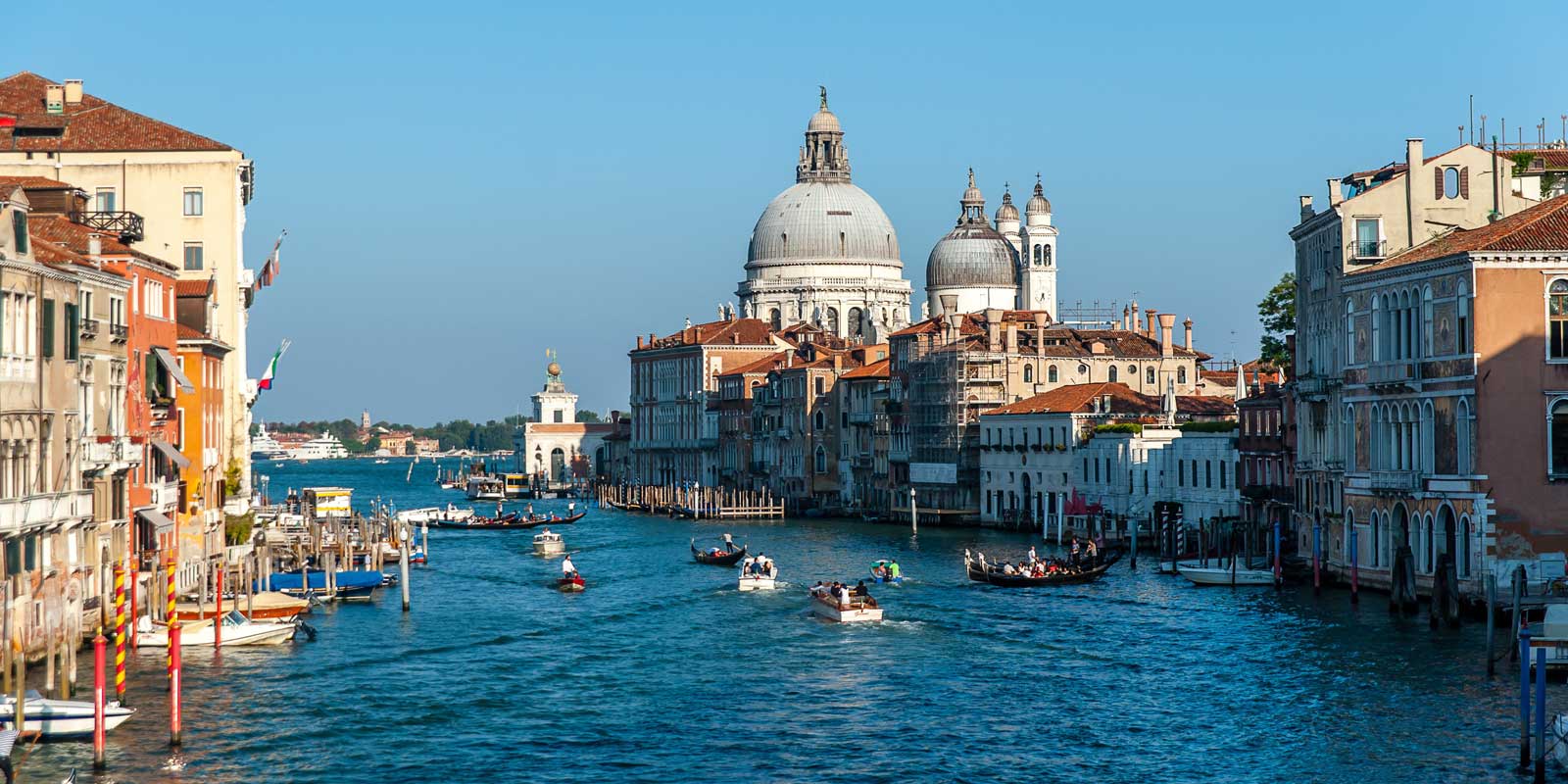
The carnival kicks off with the Festa Veneziana, a water parade on the Grand Canal that sets the tone for the festivities. Boats decorated with colorful lights and performers sail through the canal, creating a magical evening spectacle. The event takes place around dusk, with the reflections of the lights dancing on the water, providing a stunning visual experience. - Flight of the Angel (Volo dell’Angelo)
The Flight of the Angel is one of the most anticipated events of the carnival. Held in St. Mark’s Square, this tradition sees a performer, typically a well-known Italian personality or a contest winner, “fly” from the top of the Campanile di San Marco down to the square below. This breathtaking descent, accompanied by music and cheering crowds, symbolizes the start of the carnival’s main celebrations. - Best Masked Costume Contest (Concorso della Maschera Più Bella)
The Best Masked Costume Contest is open to everyone, allowing participants to showcase their elaborate masks and costumes. Held daily in St. Mark’s Square, the contest attracts some of the most intricately designed costumes, from 18th-century Venetian attire to fantastical creations. The grand finale awards the title of the “Best Mask,” with winners chosen by a panel of experts. - The Maria Parade and Coronation (Festa delle Marie)
The Festa delle Marie is a historic event dating back to the Middle Ages, celebrating 12 Venetian girls who were honored with jewels and blessings. Today, the event involves a parade through Venice, with 12 young women dressed in traditional Venetian costumes. The festivities culminate with the coronation of the “Maria of the Year” in St. Mark’s Square, symbolizing beauty and grace in Venetian tradition. - Masquerade Balls (Ballo in Maschera)
Venice’s masquerade balls are legendary, drawing visitors who want to experience the splendor and mystery of a traditional Venetian masquerade. These balls are often held in historic palaces, with participants donning elaborate masks and gowns. The Il Ballo del Doge is among the most exclusive and glamorous, with live performances, gourmet food, and a setting that recreates the grandeur of Venice’s golden age. - The Silent Water Parade (La Regata Silenziosa)
A more intimate and reflective event, the Silent Water Parade takes place on the last night of the carnival. Gondolas and boats illuminated with candles sail silently through the canals, marking the end of the festival with a calm and haunting beauty. It’s a unique experience that contrasts with the carnival’s more lively events, offering a quiet farewell to the festivities.
Book Carnival Events at low prices
The History of the Venice Carnival
The origins of the Venice Carnival date back to 1162 when the Republic of Venice celebrated a military victory. Over time, these celebrations evolved into an annual event marked by music, dancing, and masked revelry. By the 18th century, the Venice Carnival had become a symbol of Venetian culture, attracting nobles and aristocrats who would disguise themselves with elaborate masks and costumes, leveling social distinctions and creating a sense of anonymity.
However, in 1797, under Austrian rule, the carnival was banned, and the tradition faded away for nearly two centuries. It wasn’t until 1979 that the Venice Carnival was officially revived by the Italian government. Since then, it has grown into one of Italy’s most famous events, celebrated each year with both traditional events and new festivities that honor Venice’s unique cultural heritage.
Iconic Masks and Costumes of the Venice Carnival
Masks are the most recognizable symbols of the Venice Carnival, each with its own story and significance. Here are some of the most iconic types you’ll encounter:
- Bauta Mask
The Bauta is a full-face mask with a square jawline, often accompanied by a tricorn hat and a black cloak. This mask was popular among Venetian nobility and allowed wearers to eat and drink without removing it, maintaining anonymity. Today, the Bauta mask is widely worn at the carnival and symbolizes mystery and intrigue. - Moretta (Servetta Muta)
The Moretta mask, also known as the “silent servant,” is an oval-shaped mask that covers the entire face and is held in place by a button bitten by the wearer. Its simple, enigmatic design made it popular among Venetian women. The Moretta mask adds an air of elegance and silence, and while it is less common today, it remains a classic representation of Venetian style. - Colombina Mask
The Colombina is a half-mask that covers only the eyes and upper cheeks, making it popular among both men and women. Often adorned with feathers, jewels, and intricate patterns, the Colombina mask allows for more freedom of expression and is one of the most colorful and decorative masks seen at the carnival. - Volto (Larva)
The Volto, or “ghost” mask, is a full-face mask that provides a blank, ghostly appearance. It is typically worn with a black cloak and hat, adding a haunting presence to the wearer. The Volto mask is a popular choice for those looking to embrace the mysterious spirit of the carnival. - Pantalone and Arlecchino
These masks represent characters from Commedia dell’arte, a traditional form of Italian theater. Pantalone is depicted as an old miserly merchant, while Arlecchino is a playful servant known for his colorful costume and mischievous personality. These masks bring a touch of humor and theatricality to the carnival, often worn by performers and street entertainers.
Book Carnival Mask workshop for less than €70
Planning Your Visit to the Venice Carnival
Here are some essential tips for planning your visit to the Venice Carnival:
- Book Accommodation Early
The Venice Carnival attracts thousands of visitors, so it’s essential to book accommodation well in advance. Staying in central Venice allows easy access to the events, but nearby areas like Mestre or Lido can also provide convenient and cost-effective options. - Use an Interactive Map
Navigating Venice during the carnival can be challenging due to the crowds and winding streets. Using an interactive map like Venicexplorer will help you find key locations such as St. Mark’s Square, popular event venues, and quieter routes to navigate the city more efficiently. - Dress in Layers
The weather in Venice during February and March can be chilly, especially at night. Dress in layers to stay comfortable, especially if you’re wearing a costume, and bring a warm coat if you plan on attending evening events. - Rent or Buy a Costume and Mask
For a truly immersive experience, consider renting or purchasing a costume and mask. Venice has several shops that specialize in traditional Venetian attire and high-quality masks, allowing you to blend in with the festivities and enjoy the carnival as Venetians did centuries ago. - Plan for Crowds in Popular Areas
St. Mark’s Square, Rialto Bridge, and other iconic areas can become quite crowded during the carnival. Plan to arrive early for events and take quieter routes if you wish to explore Venice away from the main festivities. - Check the Carnival Program
The carnival’s official program is available online, with details about events, times, and locations. Reviewing the program in advance allows you to prioritize the events that interest you most, from the Flight of the Angel to the masquerade balls and the grand finale parade.
Dining and Refreshment Options During the Carnival
Venice’s restaurants and cafes offer an array of dining options during the carnival, from local Venetian specialties to international cuisine.
- Caffè Florian
Located in St. Mark’s Square, Caffè Florian is one of Venice’s oldest cafes and a historic spot to enjoy coffee and pastries. During the carnival, the café is decorated in traditional Venetian style, providing a charming setting for refreshments. - Osteria alle Testiere
This small seafood restaurant is famous for its fresh, locally sourced ingredients and traditional Venetian dishes. Reservations are highly recommended due to its popularity. - Trattoria Al Gatto Nero
Located on the island of Burano, Trattoria Al Gatto Nero offers an authentic Venetian dining experience, specializing in seafood and homemade pasta. It’s an excellent option for a quieter meal outside the main carnival crowds.
Book Venice Food tours