How Deep Are the Canals of Venice?
Venice, often called the "Floating City," is a marvel of engineering, art, and culture. Known for its winding canals and iconic gondolas, the city offers a unique blend of history and beauty. The canals, integral to Venice’s infrastructure, serve as streets and highways, linking its 118 islands into a cohesive urban masterpiece.
This guide delves into the depths, history, and significance of Venice's waterways, answering common questions and uncovering lesser-known facts about these enchanting canals.
Unmissable Venice Tours
The Basics: Understanding Venice’s Canals
The Network
Venice is a city unlike any other, built on a sprawling labyrinth of over 150 interconnected canals that serve as its streets and arteries. This network of waterways is as practical as it is picturesque, forming the backbone of Venice’s unique infrastructure.
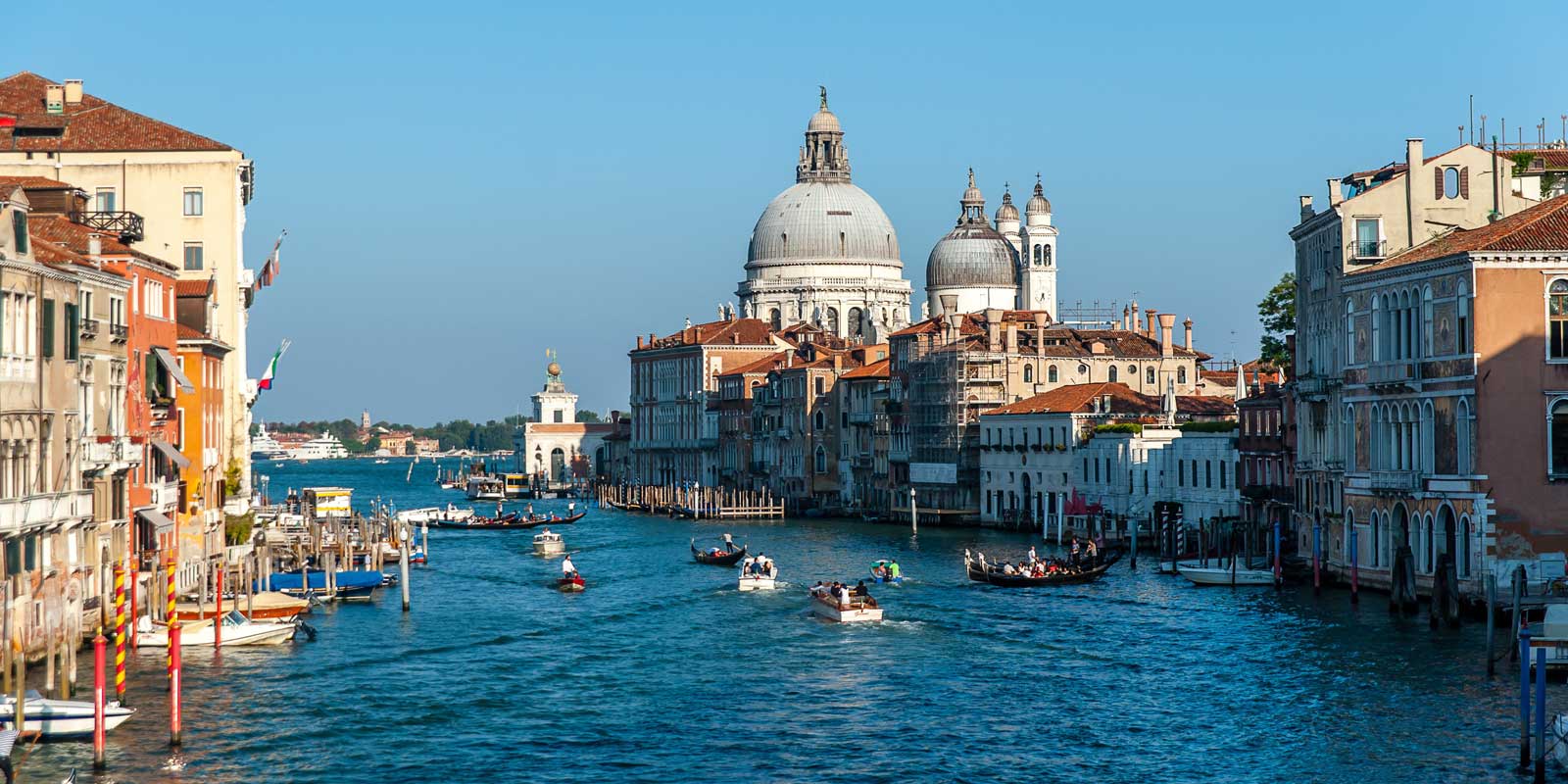
The largest and most iconic Grand Canal winds its way through the city in a graceful S-shape, functioning as Venice’s primary waterway. Measuring approximately 3.8 kilometers (2.4 miles), it is lined with historic palaces, churches, and bustling markets, symbolizing the city's rich cultural heritage.
Branching off the Grand Canal are smaller canals that meander through neighborhoods, providing access to homes, shops, and landmarks such as St Mark’s Square, the Rialto Bridge, and the Basilica di Santa Maria Gloriosa dei Frari.
These canals, which total approximately 26 miles long, are bordered by centuries-old buildings that rise directly from the water. This architectural ingenuity, where structures are supported by wooden pilings driven into the lagoon's muddy bed, has allowed Venice to withstand the test of time.
The canals are navigated by various watercraft, from gondolas and water taxis to public transport vaporettos, making the waterways an essential part of everyday life for Venetians and visitors alike. The seamless integration of the canals into the city’s functionality and aesthetics highlights Venice’s brilliance as a human-made wonder.
Why the Depths Matter
The depth of Venice’s canals is critical to their functionality. These waterways must accommodate various boats, from small gondolas to larger vessels like delivery boats and public vaporettos.
Smaller canals, often no wider than a single gondola, rely on depths of 1.5 to 2 meters (5 to 6.5 feet) to ensure smooth navigation. Like the Grand Canal, larger canals range from 3 to 5 meters (10 to 16 feet) in depth to handle heavier traffic.
The depth of the canals also directly impacts tourism, as gondola rides are a quintessential part of experiencing the best of Venice. Ensuring that canals are deep enough for boats to glide smoothly is essential for maintaining the city’s reputation as a top destination. Furthermore, proper depths prevent problems like boats running aground during low tides, which can disrupt both transportation and commerce.
How Deep Are the Canals of Venice?
General Depths
The depths of Venice’s canals vary based on their size and location.
Smaller canals weave through residential neighborhoods, averaging 1.5 to 2 meters (5 to 6.5 feet) in depth. Though shallow, these canals are sufficient for the sleek design of gondolas and smaller boats.
Larger canals typically measure between 3 and 5 meters (10 to 16 feet) in depth, making them suitable for vaporettos, water taxis, and utility boats.
Maintaining these depths requires regular dredging to remove accumulated sediment, ensuring the canals remain navigable for the various types of watercraft traverse daily.
The Grand Canal
The Grand Canal is not only Venice’s widest and deepest waterway but also its busiest. With an average depth of 5 meters (16 feet), the Grand Canal can accommodate various vessels, including gondolas, ferries, and even ceremonial boats during events like the Regata Storica.
Historically, it served as a vital commercial artery, connecting Venice’s lagoon to international trade routes. Today, it is a focal point of Venetian life, flanked by iconic landmarks such as the Palazzo Ducale and San Giorgio Maggiore, offering an unparalleled glimpse into the city’s grandeur.
Tidal Influences
Venice’s canal depths are influenced by the tides of the Adriatic Sea, creating a dynamic and ever-changing water level. During acqua alta (high water), the canals can rise significantly, flooding areas like St Mark’s Square and disrupting daily life. Conversely, low tides can expose the muddy canal bottoms, making navigation more challenging for larger vessels.
Venice has implemented the MOSE flood barrier system to combat these fluctuations, designed to protect the city from extreme tidal events. While effective, these solutions are part of an ongoing effort to preserve Venice’s waterways for future generations.
History of Venice’s Canals
Origins
The canals of Venice trace their origins to the natural waterways that existed between the islands of the Venetian Lagoon. Early Venetians, seeking refuge from mainland invaders, settled on these islands and modified the waterways to suit their needs. Over centuries, they expanded and deepened the canals, creating a sophisticated transportation and drainage system. Wooden pilings, often made from alder or oak, were driven into the lagoon bed to form the foundations of Venice’s buildings, stabilizing the city and allowing for the construction of its iconic architecture.
Engineering Marvels
The creation and maintenance of Venice’s canals are feats of engineering ingenuity. In the Middle Ages, the city’s rise as a maritime power necessitated the expansion of its waterways to accommodate increased trade.
The Grand Canal became the epicenter of commercial activity, lined with warehouses and merchant palaces that symbolized Venice’s prosperity.
Even today, maintaining the canals requires advanced engineering techniques, including dredging to remove silt and repairing the aging pilings that support the city. These efforts ensure that Venice’s waterways remain functional and safe for residents and visitors.
Cultural Significance
Beyond their practical use, Venice’s canals are central to its cultural identity. They serve as venues for events like the Regata Storica, a rowing competition celebrating the city’s maritime heritage.
The canals also shape daily life, with residents relying on boats for transportation, deliveries, and garbage collection. This unique way of life, centered around the waterways, sets Venice apart from any other city.
Group Walking Tour
The Role of the Canals Today
Transportation
Venice’s canals serve as its streets, facilitating the movement of people, goods, and services. Key modes of water transport include:
Gondolas: These traditional, hand-crafted boats are synonymous with Venice, offering a romantic and iconic way to explore the city’s waterways.
Vaporettos: Public water buses that connect major landmarks such as Cannaregio, San Giorgio Maggiore, and the Basilica di Santa Maria della Salute.
Water Taxis: Private boats that provide faster and more personalized travel options.
The canals also handle essential logistics, with delivery boats transporting everything from groceries to construction materials. This reliance on waterways underscores their vital role in sustaining Venice’s unique urban fabric.
Tourism
Venice’s canals are among its greatest attractions, drawing millions of visitors annually. A gondola ride through the Grand Canal and the smaller, quieter canals is considered a must-do activity, offering unparalleled views of the city’s historic architecture. Landmarks such as the Rialto Bridge and Santa Croce are best appreciated from the water, enhancing their visual impact and reinforcing the centrality of the canals to Venice’s allure.
Challenges
Despite their beauty, Venice’s canals face numerous challenges. Erosion caused by boat traffic, pollution, and rising sea levels threaten the city’s delicate ecosystem.
Maintaining the canals is costly and labor-intensive, requiring regular dredging, improved waste management, and policies to reduce the environmental impact of tourism and large cruise ships. Efforts to preserve these waterways are critical to ensuring Venice’s survival as a living city and cultural treasure.
Lesser-Known Facts About Venice’s Canals
The Hidden Canals
While the Grand Canal commands much attention, Venice is a city of countless hidden canals that reveal a quieter, more intimate side of this aquatic marvel. These lesser-known waterways wind through residential neighborhoods and off-the-beaten-path areas, offering visitors a chance to experience the city’s charm away from the tourist crowds.
Along these hidden canals, one can find quaint bridges adorned with flowers, secluded courtyards that whisper tales of the past, and glimpses of local Venetians going about their daily lives. Walking or taking a gondola ride through these areas provides a unique perspective on Venice, showcasing its layered beauty and hidden corners.
Color and Life Beneath the Water
Despite their murky appearance, Venice’s canals are teeming with life. Beneath the surface, a surprising biodiversity thrives, including fish, crabs, mollusks, and algae. These aquatic creatures form part of the lagoon’s delicate ecosystem, which has sustained life in the Venetian Lagoon for centuries.
Additionally, the sediment at the bottom of the canals holds a wealth of historical artifacts, from ancient pottery to remnants of Venetian commerce, offering valuable insights into the city’s storied past. Archaeologists and divers occasionally uncover these treasures, connecting Venice’s present to its rich history.
Sound of the Canals
The canals of Venice are not just a visual wonder; they also create a unique auditory experience. The still waters amplify the everyday sounds of the city, from the rhythmic splash of gondoliers’ oars to the lilting songs they sing for passengers.
Echoes of voices, laughter, and the occasional hum of a vaporetto motor carry through the air, blending with the natural sounds of water gently lapping against buildings. These acoustics create an immersive, distinctly Venetian environment, offering visitors a sensory experience that lingers in memory long after they leave.
Exploring the Canals of Venice
Visitor Information
Opening Times: Venice's canals and historical centre are available to visitors all year round, 24 hours a day, without any general gate or closing hours.
Best Time to Visit: Visiting is most pleasant outside of the summer peak months of April to July, when tourism peaks and the introduced day-visitor fee is applied.
Low-season months such as November and January offer more subdued, atmospheric visits with fewer people and lower temperatures.
A visit in an early morning or late afternoon reduces encounter frequency even further with big tour groups and improves the appreciation of the atmosphere in the city.
Dress Code and Entry Rules: Venice has strong public decency laws. Though there are no gate checkpoints for entry into the canal area, guests are required to dress modestly—no swimwear or toplessness in the pedestrian areas. Swimming and diving into the canals are prohibited, with fines.
Ticket Information
Although tourists do not have to purchase entrance tickets to view or walk along the canals, tourists visiting on 54 busiest days of the year from April to July (during 8:30 a.m.–4 p.m.) are required to pay for the Venice Access Fee—€5 when booked at least four days in advance, rising to €10 for booking on the spur of the moment.
Exemptions apply to children under 14, residents of Veneto, hotel overnighters (who are registered anyway), disabled tourists, and transit tourists. All exempt tourists must register online and obtain a QR code or voucher to avoid fines up to €150.
Online Booking: Registration for Venice Access Fee is via the official city online portal that issues a QR code upon payment or declaration of exemption.
Visitors may also prepay three days in advance at associate tobacconist stores, typically at the premium €10 rate.
Guided Tours: Most guided tours include the Access Fee registration and QR code issuance on behalf of the visitors for convenience and compliance. Guided tours tend to run within regulation and within lawful time frames and parameters.
Those reserving guided activities should see if entry-fee inscription is included in their booking.
Our Recommended Tickets
Exclusive Custom Boat Tour to Murano, Burano & Torcello
Best Tours to St. Mark's Basilica & Doge Palace
Best Tour to Peggy Guggenheim Collection in Venice
Why Venice’s Canals Are a Must-See
Engineering Wonder
The canals of Venice are a remarkable testament to human ingenuity. They demonstrate how a city can thrive in a seemingly inhospitable environment, adapting to its aquatic surroundings with innovative engineering. The wooden foundations, intricate water management systems, and continuous maintenance efforts underscore Venice’s resilience and brilliance, making the canals a marvel of urban design.
Cultural Icon
Venice’s canals, like iconic landmarks such as St Mark’s Basilica and San Giorgio Maggiore, define its identity. They are woven into the city’s history and culture, influencing its architecture, art, and daily life.
From gondola rides to regattas, the canals are central to Venice’s traditions, attracting millions of visitors who experience their magic each year.
Timeless Beauty
Gliding through Venice’s canals offers an unparalleled view of the city’s timeless beauty. The palaces, churches, and bridges that line the waterways create a living gallery of history and art.
Beyond the grandeur of the Grand Canal, exploring smaller, quieter canals reveals hidden gems and moments of tranquility, making every journey through Venice’s waterways an unforgettable experience. Whether by gondola, Vaporetto, or on foot, the canals provide an enchanting window into the soul of the Floating City.
Best Market and Food Tour in Rialto Venice
Conclusion
The canals of Venice are more than just waterways; they are the lifeblood of a city that has captivated the world for centuries. From their historical significance to their role in modern life, these canals offer endless fascination and beauty.
Plan your journey to Venice to explore its iconic canals and experience the magic of this extraordinary floating city.