Accessibility in Venice: Wheelchair-Friendly Routes, Vaporetti & Bridges
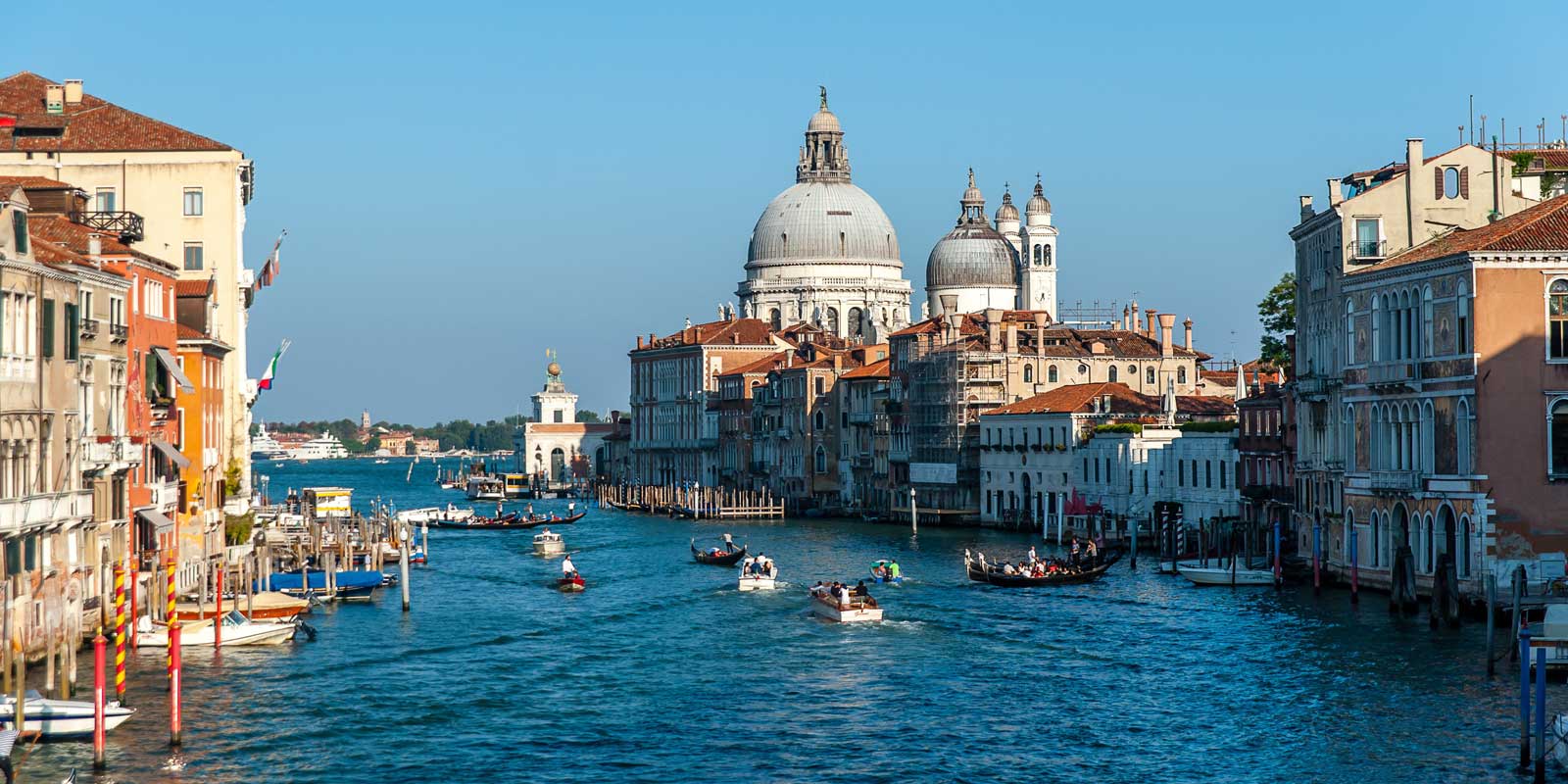
Exploring Venice-with its intricate canals and countless bridges-can be daunting for people traveling with mobility challenges. In the lagoon city, accessibility has dramatically changed in recent decades, transforming experiences both for wheelchair users and visitors with reduced mobility. Indeed, from accessible vaporetti to ramps at major bridges and designated walking routes, the efforts of the city reflect a commitment to making the timeless beauty of Venice inclusive for all.
This guide will provide a detailed overview of the wheelchair-accessible routes, the accessibility of vaporetti, and strategies for accessing Venice's most iconic sites. Drawing from expert travel platforms such as Venezia Autentica and Sage Traveling, as well as official resources from Venezia Unica, it delivers practical, experience-based insights to help travelers feel comfortable, independent, and confident while exploring the city.
From St Mark's Square and the Grand Canal down to lesser-known districts like Cannaregio Venice and Dorsoduro Venezia, the information below will try to provide visitors with all the tools they need—first and foremost, the interactive VeniceXplorer map, which constitutes a fundamental tool for planning barrier-free movement throughout the lagoon.
Best Venice Entry Tickets
Understanding Accessibility in Venice
The unique geography of Venice presents both charm and challenge. Although it boasts more than 400 bridges and hundreds of narrow alleys, traditional navigation depends much on crossing steps and waterways. The municipality nonetheless, in cooperation with organizations such as AVM and ACTV, introduced accessible routes of transport and pedestrian paths for comfortable travel.
Some 70% of Venice's central urban area is wheelchair-accessible today. Ramps are being increasingly added to major bridges, and raised platforms at vaporetto stops make boarding easier. St Mark's Basilica, Doge's Palace, Ca' Rezzonico, and the Peggy Guggenheim Collection are among the major attractions that now have accessible entrances or lifts.
The official platform for the city is Rolling Venice, where there is a digital map with accessible paths. The VeniceXplorer tool makes trip preparation easier, as it visually provides accessible vaporetto lines, bridge-free routes, and museum locations.
Wheelchair-Friendly Routes Across the City
While Venice's core was never designed for modern accessibility, some sestieri are far more navigable for a wheelchair user.
San Marco Venice and the Surroundings
This district contains some of Venice's most identifiable landmarks: St Mark's Square, St Mark's Basilica, and the Bridge of Sighs, all of which have improved accessibility. Smooth paving sections and ramps allow visitors to enjoy the piazza in relative independence. The waterfront promenade along Riva degli Schiavoni also features broad, level paths ideal for wheelchairs.
Cannaregio Venice
Cannaregio is thought to be the most wheelchair-friendly neighborhood. The majority of its streets are flat, less crowded, and several hotels offer direct ramp access. From the Santa Lucia Station, travelers can take the accessible vaporetto Line 1 or Line 2, reaching Cannaregio without major obstacles.
Dorsoduro Venezia
Dorsoduro is home to the Accademia Gallery, Ca' Rezzonico, and the Zattere promenade, which is mostly step-free and wide enough for smooth rolling. The Zattere vaporetto stop includes ramps, offering an excellent base for exploring or resting by the waterfront cafés.
Venice Mestre and the Mainland Connection
Visitors staying on the mainland will frequently start their journey from Venice Mestre, with easy train and bus connections directly to Piazzale Roma, the city's main vehicle-accessible gateway. From there, accessible water buses run toward the Grand Canal or San Marco, Venice, making transfers even relatively easy for those with heavy mobility equipment.
All of these routes can be mapped, previewed, and optimized with the VeniceXplorer to ensure that travelers avoid unnecessary bridge crossings and to plan stops at accessible vaporetto terminals.
Accessible Vaporetti: Venice's Public Water Buses
The main public transport system in Venice, which makes such access possible, is called a vaporetto. Operated by ACTV, most boats are now fitted with ramps or hydraulic lifts, which allow wheelchairs and mobility scooters to board safely.
Boarding and Disembarking: The process typically consists of rolling onto a floating pier that aligns with the boat's platform. Staff are trained to assist with boarding, especially during high tide (Acqua Alta), when the gap between the boat and pier may be slightly different.
Accessible Lines: The main accessible lines include Line 1, which runs along the Grand Canal; Line 2, the express version; Line 12 to Murano, Burano, and Torcello; and Line 4.1/4.2, which connect the outer lagoon areas.
Ticketing: People with disabilities and one accompanying person can buy reduced tickets through the Venezia Unica platform, on site at the ACTV kiosks, online, or using the official app.
Priority Access: ACTV staff usually allow wheelchair users to board first, where space is available. Each boat can safely accommodate two to three wheelchairs.
With VeniceXplorer, travellers who plan their journeys can view vaporetto line maps, real-time station positions, and accessibility symbols to help them choose stops matching their comfort needs.
The Challenge of Bridges and How to Overcome Them
The bridges in Venice are both essential and complex features of Venice's architecture. While many remain steep and stepped, the municipality has made several initiatives to improve accessibility:
Ramped Bridges: Major bridges including Ponte della Costituzione (Calatrava Bridge, near Piazzale Roma) and Ponte degli Scalzi now have ramps or side pathways for wheelchairs.
Temporary Ramps on Bridges: During festivities that attract mass audiences, such as the Venice Carnival or Regata Storica, the city installs temporary ramps on bridges near event routes.
Assistance Services: The traveler can request professional mobility assistance through Venezia Unica or other private services that offer manual lifting assistance over smaller bridges where required.
Alternative Routes: Applications such as that of VeniceXplorer will be very handy in determining routes between destinations that do not have bridges. In fact, the areas between Santa Lucia Station, San Polo Venice, or Santa Croce Venice have routes with various bridges across the major canals.
While not every bridge can be bypassed, careful planning ensures that most major attractions and accommodations are accessible without excessive detours.
Major Attractions that are Wheelchair Accessible
The cultural monuments of Venice have steadily become more accessible: many museums, churches, and theaters provide accessible entrances and adapted restrooms.
St Mark’s Basilica: A side entrance ramp provides access for wheelchairs to enter the ground floor and main nave. There is no lift to allow access to the upper museum and the terrace.
Doge's Palace: One of the most accessible sites in Venice, with full access by elevator, along with designated routes. Staff assistance is available.
Gallerie dell'Accademia: Wheelchair access via the main entrance; internal lifts connect the galleries.
Peggy Guggenheim Collection: Full accessibility, including garden areas and restrooms.
La Fenice Theatre: It has ramps and spaces assigned to wheelchair seating.
Museo Correr and Marciana National Library: Accessible entries are via St Mark’s Square, with modern lifts to upper floors.
Accessibility measures also continue to improve in museums such as Ca' d'Oro, Palazzo Grassi, and the Murano Glass Museum. Access points, however, change for each venue, and visitors are therefore advised to check VeniceXplorer or Venezia Unica prior to visiting.
Best Gondola Tours in Venice
Accessible Transport Beyond the Vaporetto
For those who need private or more flexible mobility, Venice offers the following complementary solutions:
Water Taxis with Ramps: Some private water taxi firms run entirely accessible boats, equipped with hydraulic lifts. These can be pre-booked for transfers from Marco Polo Airport, Venice cruise ship port, or Santa Lucia Station directly to hotels.
Traghetti (Gondola Ferries): Though traditional gondolas cannot accommodate wheelchairs, some companies offer adapted boats for a sightseeing tour, usually leaving from either San Marco Venice or Dorsoduro Venezia.
Mainland Transfers: Accessible Venice Mestre buses and trains connect with lagoon gateways to ensure a smooth transition from the mainland to the islands and vice versa.
Hotels & Accommodation Areas - Accessibility for Wheel Chairs
Accessible Venice starts with the choice of accommodation. Many hotels in Venice already have barrier-free rooms, adapted bathrooms, and direct ramp access to the nearest vaporetto stop.
San Marco Venice: Provides the widest variety of accessible hotels near all the major sights.
Cannaregio, Venice is favored due to its flat terrain and direct access from the train station.
Dorsoduro Venezia: ideal for cultural immersion with smooth waterfront paths along the Zattere.
Venice Mestre: Ideal for the budget-conscious traveler who values mainland accessibility and a shorter commute. The accommodation proximity to vaporetto lines can be visualized with the help of the VeniceXplorer interface, thus ensuring comfort and convenience for each stay.
Technology for Easy Movement
Digital navigation tools have made Venice far easier to explore for wheelchair users. Among them:
VeniceXplorer: A detailed, interactive map showing vaporetto routes, accessible landmarks, bridge-free pathways, and neighbourhood layouts.
Google Maps (Accessible Mode): Provides routes favouring flat surfaces
Rolling Venice platform by Venezia Unica: It offers official maps showing the accessible areas, certified hotels, and museums.
ACTV Mobile App: Real-time vaporetto schedules and notifications regarding accessibility conditions.
Taken together, these resources mean not only smoother navigation but also confidence that every trip—from St Mark's Square to Murano or Burano Island Venice—can be made without stress.
Seasonal and Environmental Considerations
Certain environmental factors in Venice affect accessibility and should be planned for in advance:
Acqua Alta-high tide: During high-water periods, temporary platforms are installed, allowing movement to continue across the site that is flooded, though access may be limited by water levels in low-lying areas.
Weather: Rain can make stone pavements slippery; rubber tyres or anti-slip wheelchair treads are advisable.
Crowds: Events such as Venice Carnival or La Biennale di Venezia attract bigger crowds, so it is best to arrive early or in the evening.
Public Toilets: A number of accessible restrooms are available at Piazzale Roma, Rialto Bridge, and St Mark’s Square.
It is highly recommended that visitors consult the VeniceXplorer website before and during their stay for real-time information regarding water levels, routes, and temporary changes to the accessibility infrastructure.
Sample 1-Day Accessible Itinerary
Morning: Start from Piazzale Roma, then take the accessible vaporetto Line 1 down the Grand Canal; enjoy the views. Get off at either Rialto or San Marco. See St Mark's Basilica and Doge's Palace, each with ramped entries.
Afternoon: Board Line 2 or Line 12 in the direction of Murano, where glassmaking demonstrations are available at the Murano Glass Museum. Lunch at an accessible café along the canal.
Evening: Return to Venice through the Fondamente Nove, see the Zattere promenade in Dorsoduro Venezia, and then conclude the day with an accessible view of the sunset over the Venetian Lagoon.
Every stop can be previewed and adapted through VeniceXplorer, thus assuring precise knowledge of routes and accessible exits.
How to Travel Comfortably
Always check in advance the ACTV timetable, which also shows which stops have ramps.
Wherever possible, use lightweight mobility equipment.
Use rooms in relatively accessible piers, such as Piazzale Roma, San Marco, or Zattere, to minimize transfer distances.
Inform the hotel of any accessibility requirements prior to arrival.
Travel in spring and autumn to avoid high temperatures and crowds.
Bring a waterproof cover for wheelchairs on lagoon transfers.
Keep emergency contact numbers on hand—local support services are both efficient and English-speaking.
All Affordable Tours in Venice
Conclusion
Accessibility in Venice is no longer an obstacle but an evolving achievement. With inclusive planning, thoughtful infrastructure, and tools like VeniceXplorer, travellers with reduced mobility will be able to experience the essence of the city independently and with ease: its canals, churches, art, and cuisine.
Whether gliding along the Grand Canal, marveling at the mosaics of St Mark's Basilica, or discovering artisan shops in Murano, Venice is now a city accessible on equal terms to wheelchair users.
Improved vaporetto access, ramped bridges, continuous civic investment-Venice proves that even a centuries-old city built upon water can adapt gracefully to modern inclusiveness. This is a journey defined not by limitation, but by possibility, discovery, and shared wonder.