How to Get from Marco Polo Airport to Venice (All Options Compared)
Venice is one of the world's most enchanting destinations-an architectural masterpiece built wholly upon water. Immediately upon arrival at Marco Polo Airport, travelers are overcome with wonder, and a very pragmatic question: how does one reach a city where there are no roads or cars?
This guide compares every possible way to get from Marco Polo Airport to Venice so that visitors can choose the most convenient, scenic, or economical option according to their budget, luggage, and schedule.
Unmissable Venice Tours
Understanding the journey from Marco Polo Airport to Venice
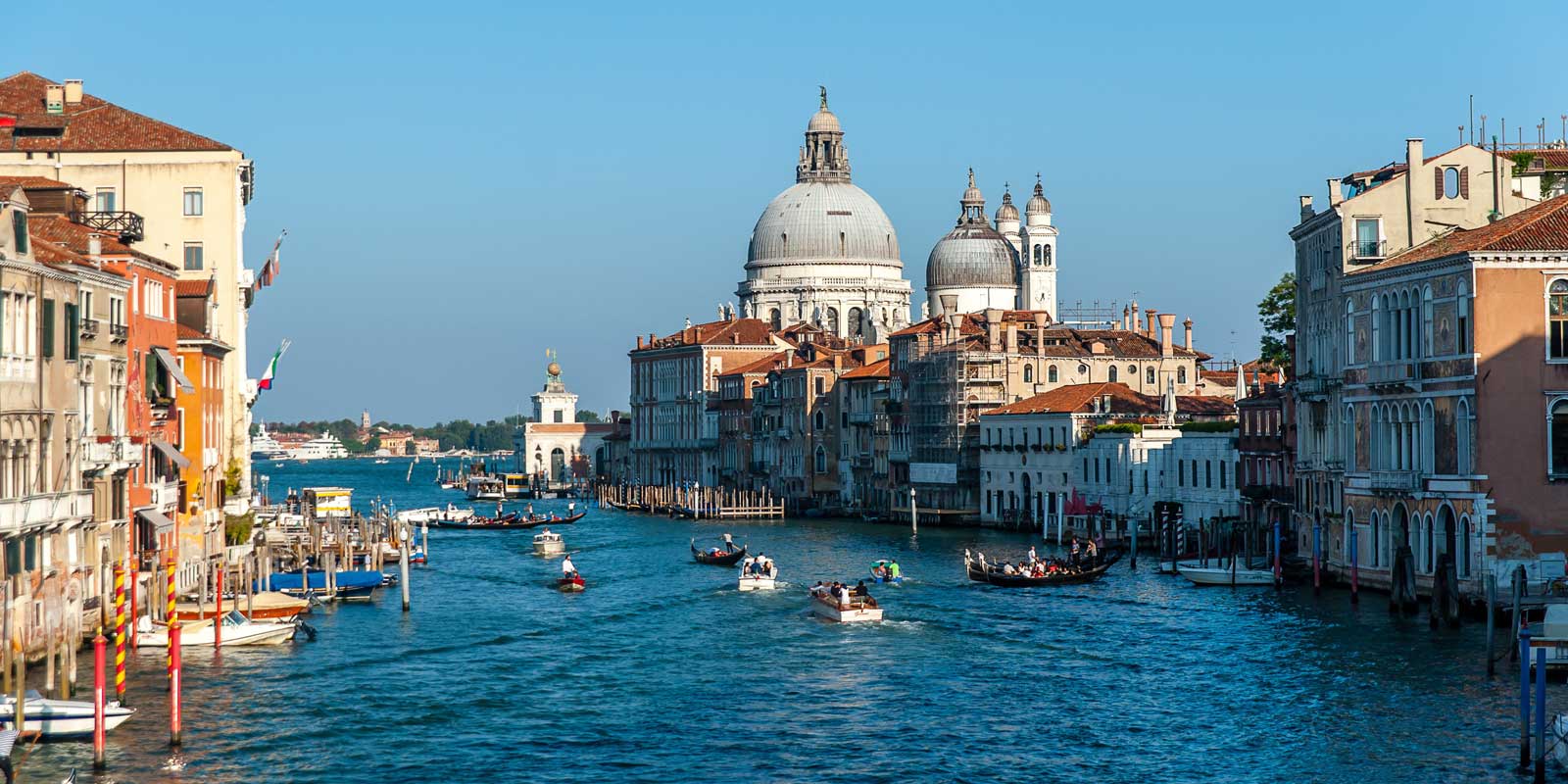
Situated about 13 km (8 miles) from the historic centre, Marco Polo Airport is the main international airport into The Best of Venice. Part of the journey is the charming approach to the city: travellers cross the Venetian Lagoon, where reflections of St Mark’s Basilica, St Mark’s Square and the Grand Canal glimmer on the horizon.
All means of transport stop at Piazzale Roma, Venice’s final point accessible by road. From there, travellers continue by foot or on water, catching Water Taxis, the Water Bus Alilaguna, or a vaporetto. Those staying near San Marco Venice, Dorsoduro Venezia, or Cannaregio Venice will need a water connection, whilst those near Santa Croce Venice or Venice Mestre can complete their journey by land.
Hundreds of bridges, few lifts are a feature of the city, meaning that travelers carrying heavy bags will do well to plan ahead. Venice rewards preparation-choosing the right transfer saves time, money, and energy before stepping into the magic of The Venetian Lagoon.
Option A: Take the bus to Piazzale Roma
The airport bus is the quickest and cheapest route. Two main services operate:
ATVO Express Bus - a non-stop coach that reaches Piazzale Roma in about 20 minutes.
ACTV Line 5 – a public service making local stops along the way (about 30 minutes).
Both leave from the clearly signposted bus bays just outside the arrivals terminal. Tickets (about €8–10) can be purchased from machines or kiosks in the terminal. Passengers must validate them before boarding.
Advantages: fast, cheap, and frequent. It suits budget travellers, those staying near Piazzale Roma or connections to Venice Mestre and Santa Lucia Station.
Disadvantages: the bus stops at the city’s road terminus and so anyone travelling to San Marco Venice, the famous Rialto Market, the Pescheria, or hotels near the Bridge of Sighs needs to continue by vaporetto or on foot.
This limitation notwithstanding, many experienced travelers, such as contributors on the Rick Steves Travel Forum and Reddit Italy Travel, endorse the bus as efficient and easy to use, especially for early morning or late-night arrivals.
Option B: Water Bus (Alilaguna / Shared Line)
For travelers who want to arrive in a truly Venetian manner, the Water Bus Alilaguna offers a direct connection from the airport dock to the heart of the lagoon. The pier is reachable by a 10-minute covered walkway from the terminal.
Routes and Timing
Blue Line to San Marco, via Murano, Fondamente Nove and Zattere.
Orange Line to Piazzale Roma via Rialto Bridge, Ca’ Rezzonico, and Guglie.
Red Line (seasonal) to Lido di Venezia and Giudecca.
Journeys take 60–75 minutes and cost approximately €15–18.
Advantages: Alilaguna Water Bus offers a panoramic entrance through the Venetian Lagoon, with icons such as San Giorgio Maggiore, Basilica di Santa Maria Della Salute, and Doge's Palace before docking at St Mark's Square. It is ideal for hotels near the waterfront or for first-time visitors seeking the most atmospheric arrival.
Disadvantages: It is slower than the bus, sometimes crowded, and less convenient if one has heavy luggage. Travellers arriving after midnight must confirm operating schedules, since late night services may be limited.
Nonetheless, for those who count arrival as part of the experience-perhaps during festivals like the Venice Carnival, the Regata Storica, or the Festa del Redentore-the water-bus route is an unforgettable beginning.
Option C: Private Water Taxi
The Private Water Taxi represents the most exclusive and convenient means of transfer from Marco Polo Airport into Venice. Passengers, after collecting their luggage, follow the signs to the private-boat docks where sleek mahogany vessels await them.
Cost and Booking: Prices vary between €120 to €150 per boat for a maximum of six persons. This can be prebooked on the internet, hence it is assured of availability, though airport counter taxis can also be ordered. Travellers can share a taxi to divide the cost.
Advantages: Direct, on-site drop-off at hotel entrances with canal access, including hotels located near San Marco, Castello Itinerary, Zattere, or Dorsoduro Venezia.
No transfers or hauling of luggage across bridges.
Private, comfortable, and scenic—passing landmarks such as Ca' d'Oro, Palazzo Grassi, and Basilica di Santa Maria Gloriosa dei Frari.
Disadvantages: High cost, sometimes surcharges for night service or extra luggage.
Ideal For: Couples, honeymooners, or families with big luggage who want to reach accommodations near St Mark's Campanile, Santa Maria dei Miracoli, or the Grand Canal easily.
This option, according to Vivovenetia.com and Introducing Venice, affords both speed and elegance, the very essence of Venetian travel.
Best Venice Passes
Option D: Road Taxi (to Piazzale Roma)
For travelers who depend on traditional ground transportation, normal road taxis also link the airport and Piazzale Roma, taking about 20 minutes.
Cost and Use Cases
Fares average €40-50. Taxis are metered, licensed and available outside the arrivals exit. Especially useful if you arrive late at night, have a lot of luggage or in a small group.
Comparison: The ride is faster than the water bus and more private than the coach, but, like the bus, it ends at Piazzale Roma, where travellers continue by foot or boat.
This option is suitable for those passengers connecting to trains at Santa Lucia Station, staying near Santa Croce Venice, or proceeding onwards to Venice Mestre.
Option E: Combination Routes
Combination routes allow flexibility and cost control, mixing land and water. A common example: bus or road taxi to Piazzale Roma, then a vaporetto down the Grand Canal to San Marco Venice or Rialto Bridge.
Advantages: Balanced cost, medium travel time of 40–60 minutes, and a chance to get both land and lagoon views.
Tips
Buy both legs of tickets in advance to avoid queues.
Check vaporetto timetables, particularly for the late connections.
It's an efficient way of reaching the hotels in Dorsoduro, Cannaregio, or near Santa Maria Assunta Church.
Combination routes are also recommended for those arriving during busy festivals like the Venice Biennale or Vogalonga, when water-bus crowds surge.
Visitor and Ticket Information
Visitor Information
Opening Hours
ATVO Express: approximately 05:20 – 00:20.
ACTV Line 5: early morning – after midnight.
Alilaguna Water Bus: about 06:00 – 00:00, depending on line.
Private Water Taxi: 24 hours with surcharges after 22:00.
Best Time to Travel: Midday or early afternoon ensures smooth transfers and available services. Early morning arrivals find fewer crowds, while late flights should confirm last departures.
For high-season events such as the Venice International Film Festival, Festa della Salute, or the Venice Marathon, advance booking is a necessity.
Dress Code and Entry Rules: No specific dress is necessary to travel, but comfortable shoes and appropriate weather gear are useful while walking from piers back to hotels. During winter months or during the Acqua Alta in Venice, waterproof shoes would be prudent. Always stamp tickets and keep them for possible control.
Accessibility: Travelers with mobility issues should prioritize the bus or taxi to Piazzale Roma and seek staff assistance whenever boarding boats. Venice's infrastructure, while historic, continues to improve access across major routes.
Ticket Information
You can buy tickets through official websites like vivovenetia.com, at an airport kiosk, or through your hotel concierge in advance to guarantee availability for popular events like Festa di San Marco or Festa delle Marie.
Guided Transfers: Some travel agencies offer private or small-group transfers that include airport pick-up combined with short walking tours of All about Venice, including stops near St Mark's Square or Basilica dei Santi Giovanni e Paolo.
Recommended Tickets
Practical Tips for a Smooth Transfer
Utilize airport trolleys and use lightweight bags for bridges.
Know Your Stop: Confirm your hotel's nearest vaporetto stop-e.g., San Zaccaria Church, Santa Maria Formosa, or San Pantalon.
Cash & Cards: ATMs are located at Marco Polo Airport and at various locations throughout Venice Transport, Useful Numbers areas.
Connectivity: Free Wi-Fi and Sim Cards, and WIFI in Venice stations to support navigation apps for pier locations.
Safety: Get into official taxis - check logos. Hold on to handrails when boats accelerate.
Accessibility Tip: For heavy luggage or reduced mobility, choose a route with fewer transfers-usually the bus or a private taxi.
Final Comparison Summary
| Option | Duration | Cost | Pros | Cons | Ideal For |
| Bus to Piazzale Roma | 25 min | Low | Fast and cheap | Requires transfer to Vaporetto | Budget travelers |
| Water Bus (Alilaguna) | 60-75 min | Moderate | Scenic entry | Slower, crowded | Romantic visitors |
| Private Water Taxi | 25-40 min | High | Direct to hotel | Expensive | Luxury travelers |
| Road Taxi | 20 min | Moderate | Comfortable | Ends at Piazzale Roma | Late arrivals |
| Combination Route | 40-60 min | Variable | Balanced experience | Multiple connections | Families or groups |
Best Venice Entry Tickets
Conclusion
Arrival into Venice is more than a transfer, it's the first act of immersion into Venice Uncovered. Whether alighting from a bus, a Water Bus, or sleek Private Water Taxi, travelers witness the transition from modern mainland to timeless lagoon.
This depends on one's priorities: for speed and savings, the choice is ATVO Bus; for romance and shutterbugs, Alilaguna Water Bus fits the bill; comfort for families traveling with luggage, Private Water Taxi is the way to go. Whichever the means, planning.
In advance-consulting timetables, booking tickets in advance, and becoming informed about the layout of the Sestieri-means one can start any itinerary with ease: be it to San Marco and Castello Itinerary, Murano and its glassworks, or the Venetian Lido.
Ultimately, the arrival into Venice from Marco Polo Airport is symbolic of the essence of travel itself: the journey from the ordinary to the extraordinary.
As travelers cross the shimmering Venetian Lagoon, approaching the domes of St Mark's Basilica, the experience becomes a sneak preview of The Best of Venice-where every arrival is as beautiful as the destination.