Real Cost of Tourist Traps in Venice (Cover Charge, Coperto, Water Fees)
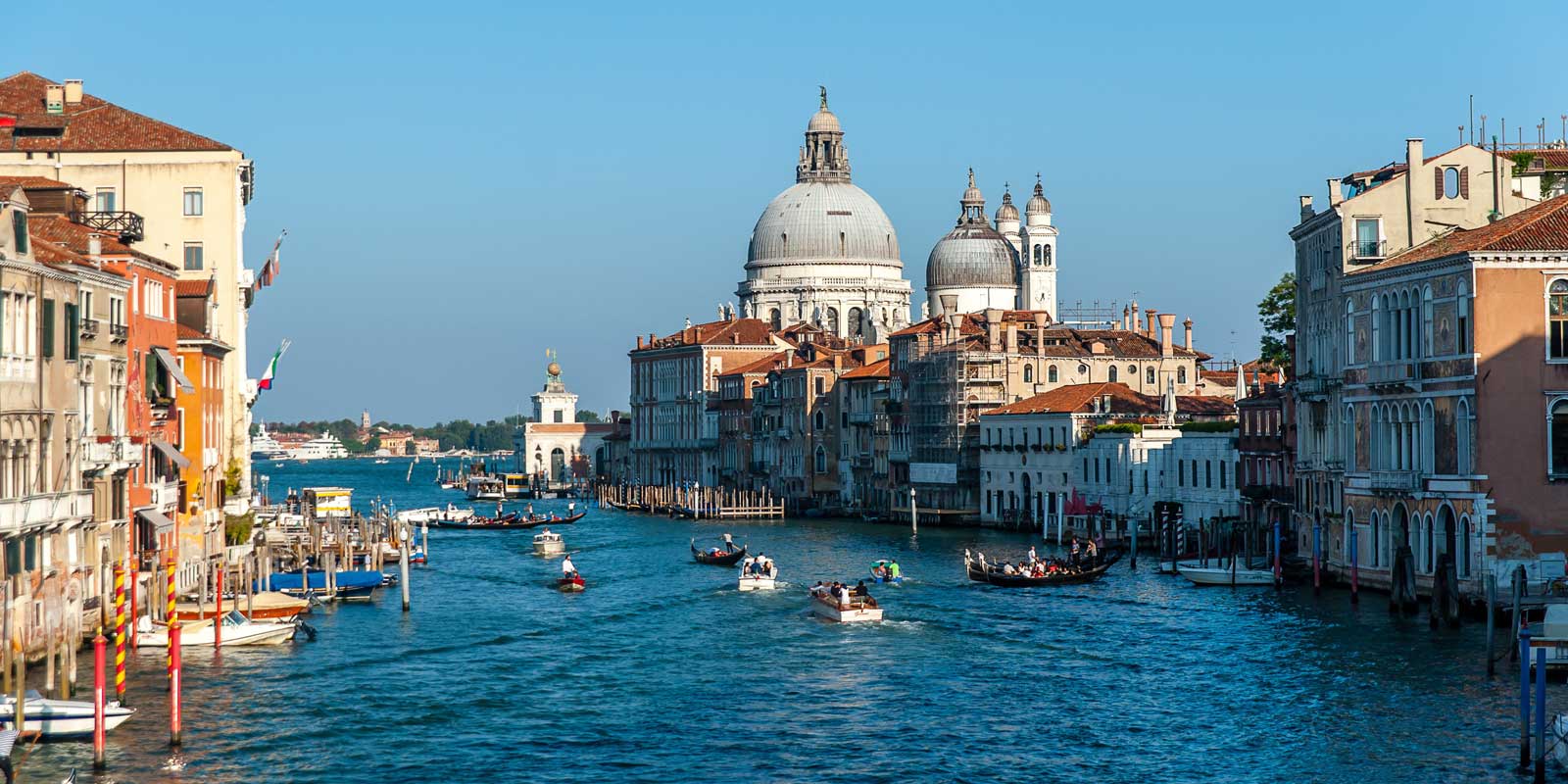
The city of Venice, floating on water, with its canals, bridges, and eternal romance, is still mesmerizing travelers from all over the world. From the grandeur of St Mark's Square to the quiet lanes of Cannaregio Venice, every nook and corner of this lagoon city seemed to emerge from a frame of a masterpiece.
Behind the beauty, however, lies an undeniable reality: the tourist traps that can drain a traveler's budget much sooner than anticipated.
Visitors often don't think about how seemingly minimal costs—the coperto, the servizio, or even the cost of a bottle of water-can add up over the course of a visit. And in areas like San Marco, Rialto, and the Grand Canal, this can easily double the cost of a meal or coffee.
This article takes a closer look at the real cost of Venice's tourist traps, looking at how these fees come about, what travelers typically pay, and-most importantly-how to avoid falling into such traps. Leveraging feedback from local experts the guide demystifies restaurant practices, seating premiums, and the hidden economics of the Venetian experience.
Thus, the ability to perceive the price culture of the city allows guests to enjoy Venice without feeling cheated.
Unmissable Venice Tours
What Are the Major Tourist Costs & Hidden Fees?
Cover Charge / Coperto
One of the oldest traditions in Italian restaurants, this is apt to be a surprise to the visitor unfamiliar with local customs. Throughout Venice, most restaurants will add a fixed fee—€2 to €5 per person—to cover tableware, bread, and use of seating. It is not a scam. Its presence is apt to catch the first-time visitors off guard on bills.
Credible travel forums confirm that this is common practice, even in less touristic neighborhoods such as Castello or Santa Croce Venice. Restaurants in close proximity to major landmarks, like St Mark’s Basilica or the Bridge of Sighs, tend to charge towards the upper end of this price range.
Water Charges
Water is hardly ever free in the cafes and restaurants of Venice. Travellers reported on Reddit that they'd been charged for bottle still or sparkling water, costing from €3 to €6. Tap water costs even a little when it's asked for, and in higher-end establishments.
Since summers are hot and humid in Venice, Italy, frequent hydration adds up in no time to your dining costs and makes water one of the most underestimated expenses for tourists.
Seating / View Premiums & Servizio Charge
Perhaps the most famous case of tourist pricing in Venice takes place at cafes with views of some of the city's major tourist attractions, like St Mark's Square or on the Grand Canal: the cost of an espresso or spritz can multiply several times if sitting at an outdoor table. At some cafes you could stand at the bar for €1.50 while paying more than €8 per coffee for a seat at a table with a view.
Some restaurants also add a servizio of 10–15 percent, especially for table service or large parties, which, though legitimate, can combine with the coperto to create a substantial markup.
Beach / Boat / Gondola Premiums & Water Fees
Apart from the food, the waterways and beach areas of Venice have their prices: Gondola rides, the most cliché thing one would do in Venice, currently cost an average €80 for 30 minutes if taken in the daytime and €100 after sunset, while water-taxis are very often highly priced, especially for luggage transportation or late-night transfers.
Special Access / Entry Fees
In recent years, Venice introduced a day-tripper access fee, initially set at €5, applied on select peak days. Not necessarily a “trap,” but part of an expanding category of unavoidable visitor costs that underlines how the city manages its heavy flow of tourism.
Typical Cost Levels in Venice
For context, the average traveller visiting central Venice might spend:
| Expense Type | Typical Cost | Notes |
| Coperto/Cover Charge | €2–€5 per person | Standard in most restaurants near tourist areas |
| Servizio/Service Fee | 10-15% | Applies mainly in high-end or scenic cafes |
| Bottled Water | €3–€6 | Tap water available on request ("acqua del rubinetto") |
| Coffee at the Bar | €1–€2 | Cheaper for standing customers |
| Coffee at Table in St Mark's Square | €5–€9 | Includes live music fee in some venues |
| Gondola Ride | €80–€100 | Official daytime / night rate |
| Day-Trip Access Fee | €5 | Applies on select peak days |
These costs vary greatly between the tourist-dense zones around San Marco, Rialto, and Dorsoduro Venezia, and quieter quarters such as Cannaregio or Giudecca.
Best Venice Passes
Where These Costs Show Up: Contexts & Examples
Restaurants near Major Attractions
You are more likely to come across coperto charges, English translations of menus, and photo displays around St Mark's Square, Piazzale Roma, or the Ponte di Rialto. Tourism Attractions and Venezia Autentica both note that the evident tourist footfall allows them to maintain higher prices.
Outdoor Café Terraces
Scenic cafes that line Riva degli Schiavoni or the Grand Canal will have a surcharge for those prime views. Such costs include both servizio and the "view premium," which locals hardly ever pay.
Stand-Up Bars vs Seated Tables
The difference in price for drinking al banco-at the bar-and al tavolo-at the table-can be very dramatic in Italy, but especially in Venice. Those visitors standing at the counter get the same coffee or spritz for a fraction of the cost.
Beach and Water Transport
On Lido di Venezia, there is a rental fee for beach chairs, umbrellas, and private cabanas. Additionally, water taxi services from the airport or Santa Lucia Station also charge extra for luggage transport or nighttime service.
Day-Trip Access
Day-trippers arriving by train or cruise should also consider another new measure that underlines how Venice is striving to balance tourism and preservation: the Venice Access Fee.
Why These Fees Exist and What Makes Them Tourist Traps
The unique geography and reliance on tourism of Venice explain a lot of these costs, but when pricing transparency fades, some still qualify as tourist traps.
Location Premium: The cost of operating in Venice is high because of logistics - everything has to be shipped in by vaporetto or barge. Establishments pass these costs to customers, especially in high-visibility locations.
Menu Ambiguity: Discussions bring to light that dual-pricing systems-bar vs table-or small-print notes about "pane e coperto" mislead visitors.
Visitor Unfamiliarity: Travelers unaccustomed to Italy's dining traditions may consider the coperto a scam.
Over-Tourism Economics: With millions of visitors annually, the business of Venice hospitality very often relies more on high turnover than on local loyalty.
Lack of Transparency: This may mean tourists don't recognize the servizio line on a receipt until they're paying, furthering perceptions of "hidden costs."
Actually, not all of these are deceitful practices; they grow out of the economic and environmental constraints of Venice. Together, though, they create the sensation of an expensive maze for uninformed guests.
How to Identify & Avoid Tourist-Trap Charges
Avoiding the traps requires more awareness than avoidance of Venice itself. The savvy visitor can take a few very practical steps:
Order Correctly: Italian law requires that pricing be displayed. When ordering, check to see that "coperto", "servizio", and drink prices are shown.
Ask for Water: Request "acqua del rubinetto" if tap water is acceptable, otherwise state the bottle price first.
Standing vs. Sitting: You will save more than half the price at Caffè Florian or Gran Caffè Quadri if you are standing at the bar instead of being seated.
Take a Step Away from the Sights: Prices for meals can be halved with every five-minute walk away from St Mark's Square. For authentic dining, head into Cannaregio, Castello, or Dorsoduro.
Use Local Tools: The VeniceXplorer map finds high-rated, moderately-priced restaurants and cafes that are far from the crowds.
Confirm Full Costs for Services: Whether taking a gondola, water taxi, or beach rental, always ask for total price upfront, including extras, such as night rides, luggage, music.
Allow for a small buffer in your budget: Adding €3–€5 per head for possible surcharges makes the estimate reasonable.
This attentiveness guarantees transparency, allows travelers to experience Venice like locals do, without any hidden surprises.
Case Studies & Real Traveller Feedback
Hidden costs in Venice are a frequent complaint on internet travel forums.
One visitor to the Rick Steves Travel Forum mentioned a €4 coperto per person in Piazza San Marco. He noted that the charge was clearly listed - but came as an unexpected surprise.
One Reddit thread echoed this view: “Everything like cover charges and water were written out clearly. still felt like hidden fees.” It was the emotional perception, rather than the fee, which brought on dissatisfaction.
TripAdvisor users recount experiences of paying €12 for two coffees near the Rialto Bridge, once the servizio and water were added.
Transparency and investigation are to be pursued, not avoided, insist the local platforms Venezia Autentica and Tour Leader Venice. They would also like to remind tourists that authentic osterie and bacari have fair prices with typical Venetian cuisine.
This kind of feedback underlines how many frustrations arise not from deception but from a difference in expectation and awareness.
Budget-Friendly Alternatives & Smart Dining Strategy
Avoiding unnecessary costs doesn't mean compromising on experience. Slightly adjusted habits, visitors can dine like locals.
Try a bacaro: Traditional Venetian bars, like in Cannaregio or San Polo, will come up with cicchetti and wines of the region-without tourist surcharge.
Stand at the Bar: Enjoying your coffee or aperitivo al banco costs a fraction of table prices.
Eat Away from Landmarks: A 10-minute walk from Rialto or San Marco can cut bills by 40%.
Fountains: Public fountains abound in every city, offering clean, drinking water that's great for refilling bottles.
Eat your way through the neighbourhood: Restaurants in Giudecca or Lido di Venezia principally feed locals and have clear menus with modest prices. Time your meals strategically. Early lunches or late dinners will decrease crowd-based premiums.
Check reviews and maps: Using VeniceXplorer or verified Google listings will uncover where locals actually eat. These methods allow travelers to experience genuine cuisine and hospitality without added expenditure.
Summary Table: Typical Supplementary Charges & What to Expect
Type of Fee | Typical Amount | Likely Location | How to Avoid / Mitigate |
Coperto / Cover Charge | €2–€5 per person | Restaurants near tourist hubs | Check menu, dine in local districts |
Servizio / Service Charge | 10–15 % | Outdoor or scenic venues | Confirm if included, sit indoors |
Bottled Water Fee | €3–€6 | Cafés / restaurants in tourist zones | Request tap water |
Seating Premium | 2–3× standard price | Tables with lagoon / canal views | Stand at bar or move inland |
Beach / Gondola Premium | Variable | Lido di Venezia, gondola stations | Agree on total fare in advance |
Access Fee (Day-Tripper) | ~€5 | Historic centre on peak days | Book ahead, travel off-peak |
Best Venice Entry Tickets
Conclusion
The true cost of Venice's tourist traps goes beyond inflated bills: It affects how travelers perceive the city. For some, a surprise coperto or servizio overshadows the pleasure of sipping coffee in Piazza San Marco; for others, it's a valuable lesson in local culture.
By placing these customary fees into their wider context-and understanding the rationale behind them-visitors can set out with a healthy dose of realistic expectation.
The coperto reflects centuries-old dining tradition; the servizio covers staff costs in one of Europe's most logistically challenging cities; the view premiums simply price the priceless-Venice's scenery itself. Smart preparation and tools like VeniceXplorer offer the ability for travellers to find fair-priced establishments, budget accurately, and explore neighborhoods where authenticity prevails over opportunism.
Whether enjoying cicchetti in Cannaregio, taking a stroll through Dorsoduro Venezia, or sharing a quiet espresso by the Grand Canal, the informed visitor will find that Venice rewards awareness with unforgettable value.
Ultimately, the canals, bridges, and calli of the city remain open to all; it is only a matter of how wisely each traveller finds their way through the maze of costs. In order to see Venice Italy at its best, one needs to approach it not with admiration, but with understanding, paying attention not so much to what one sees, but to what is written on the bill.