Venice Unplugged: Digital Detox Itineraries With no Mobile Signal, no Notifications, Just Canals & Quiet
In the era of the smartphone, of never-ending notifications and attention driven by algorithms, Venice is a paradox: one of the world's most photographed places, its narrow calli, its shimmering canals endlessly documented on social media.
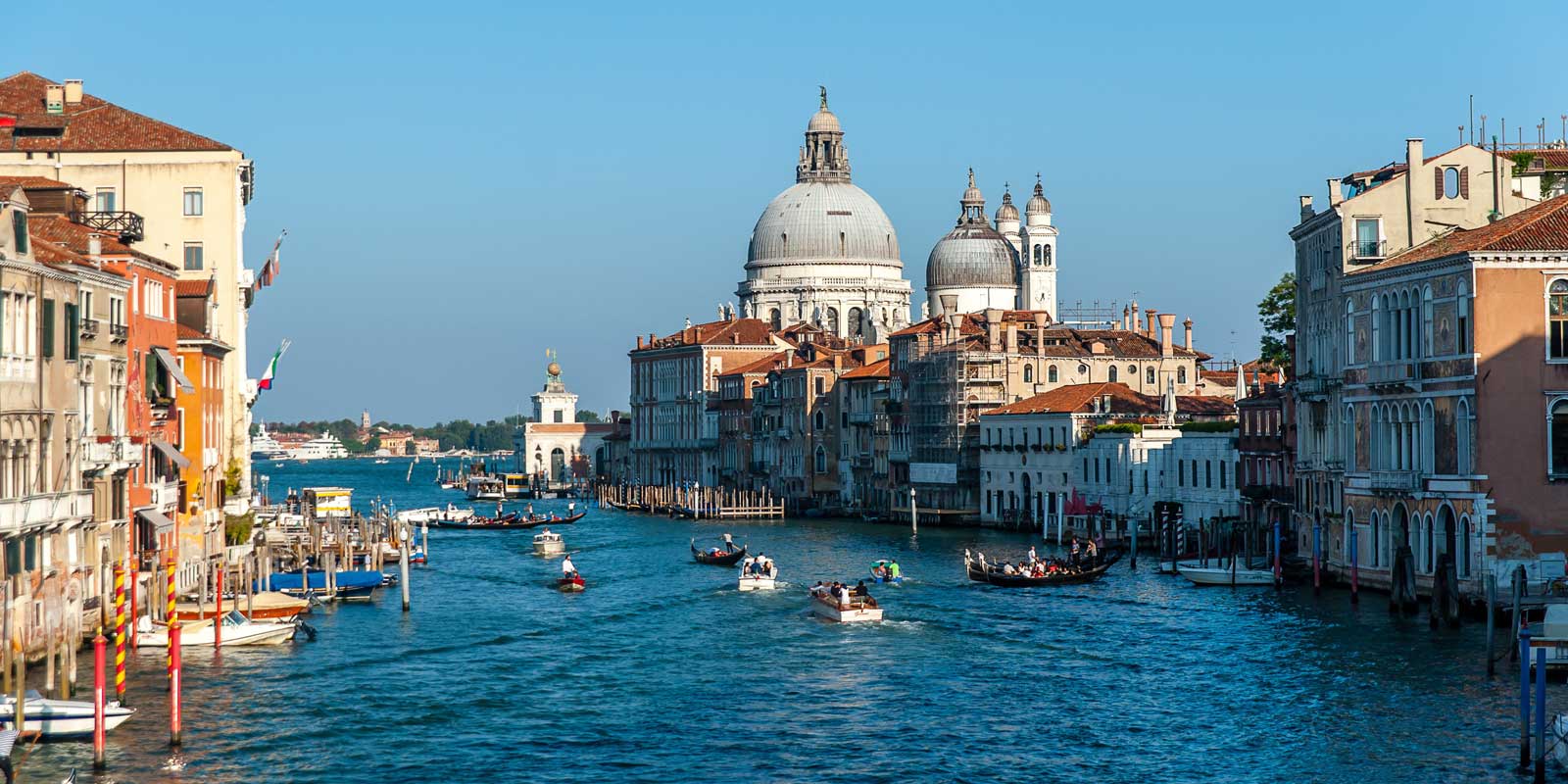
But beneath this surface lies another Venice: a quieter, slower city whose time is measured not in bytes but in footsteps upon stone bridges and the ripples of water, by the sound of oars slicing through the lagoon.
For the traveller searching to unplug, Venice now offers something ever more rare: a natural digital sanctuary. The architectural density of its sestieri, the absence of cars, and the maze-like network of alleys create natural pockets of weak reception and long stretches where people can walk without reaching for their phones.
It is here that one can step beyond the notifications, slip off the digital treadmill, and rediscover the pleasure of being present.
This guide aims to shed light on unplugged Venice: introducing screen-free itineraries, discussing areas where digital distraction fades away, and suggesting experiences that cultivate presence, calm, and reflection.
If thoughtfully planned, the invitation to slow down, breathe deeply, and connect with a quieter self is what actually gives shape to Venice.
Unmissable Venice Tours
Why choose Venice for a digital detox?
Internal Disconnect
The ancient urban design of Venice creates an ideal, unintentional setting for digital detox. Large sections of Venice Castello, Cannaregio Venice, and deep lanes of Dorsoduro Venezia face either a weakening or an altogether drop in mobile signals. Thick stone walls of centuries-old buildings disrupt wireless connectivity, with the water-lined neighborhoods stretching far from the main technological hubs of the city.
This structural disconnection is not a failing, it's an invitation. With no roads, and no roaring traffic, it's a city that invites a slower rhythm. It offers walks instead of speed, bridges instead of highways, water instead of asphalt. Without the constant buzz of notifications, visitors rediscover the gentle pace that shaped early Venetian life.
A sensory experience beyond the screen
The beauty of Venice is first sensory, before visual. The reflections glide along the canal surface. Stone textures shift in shade depending on the hour. Oars echo in morning silence. Soft light breaks across The Venetian Lagoon at dawn. Such sensations are lost on those in a rush to capture instead of inhabiting the moment.
Traveling unplugged means to listen-to the gentle lapping of the water against the fondamenta, to the murmur of locals passing through a quiet square, to the rhythmic hum of boats farther away.
It is to smell the salt carried through humid air, to note the tiny carvings on a bridge, to feel the touch of centuries beneath the fingertips. Such moments are for the senses, not for the camera.
Advantages of unplugged travel
Stepping away from screens restores the relationship of the traveler to place. Without documenting, sharing, or responding, the mind slows down. Attention deepens. Stress dissipates. According to studies cited in digital detox travel sources, there is improved emotional clarity, better retention of memory, and increased engagement with local culture when the devices remain silent.
It becomes even more powerful in Venice. The very environment enforces stillness. Without the noise, one finds space to think, space to breathe, space to feel travel as a form of resting and not a race for contentment.
Setting Up the Unplugged Trip
Pre-trip preparation
First things first: to take an unplugged vacation, one needs to prepare. Travelers should choose lodging with a purpose—opting for hotels or guesthouses that don't tout high-speed connectivity. Some offer only limited WiFi windows; others allow it only in the mornings, while still others restrict the signal to common areas.
The traveler might notify close contacts ahead of their trip that there will be sparser communication. Auto-responses can softly signal "digital rest" and eliminate the pressure to stay in touch. This pre-emptive communication smoothes the transition from the digitally saturated life to the one in calmness in Venice.
What to bring—and what to leave behind
Restraint is the best tool for digital detox. Travelers may bring a simple camera or rely entirely on memory. A paper map replaces GPS. Note-taking apps are replaced with a notebook. A physical book replaces endless scrolling.
Most importantly, devices need to go into "Do Not Disturb" mode, or even airplane mode, with a single agreed-upon daily check-in. This intentional and disciplined mindset creates an aperture between the traveler and the digital world, while allowing Venice's sensory landscape to fill in what's left behind.
Choice of Accommodation for Digital Detox
Some parts of Venice more naturally enable unplugged living, with the residences around Giudecca, Dorsoduro Venezia, and the quiet lanes on the back of Cannaregio Venice offering quiet retreats far from the tourist paths. Many boutique guesthouses have a focus on slow travel, offering internal courtyards, gardens, and shared lounges in which people read, write, or simply observe.
Opt for a place that allows and supports disconnection—free of bright screens, late-night noise, or tech-heavy décor—that helps to sustain the detox long after arrival.
Venice Sightseeing sans Screens
Short morning reboot (2–3 hours)
It starts with a simple ritual of a digital-free morning: leave the phone behind or keep it off. Then step outside while the city isn't entirely up, cross a small bridge, and listen to footsteps echo on the stone. Drift into a quiet campo, where only locals pass through on their way to work.
A seat on a canal with a warming drink invites total presence. The quiet of morning light in San Marco, Venice, or down the tiny canals in Santa Croce, Venice, is a gentle reset, reminding the traveling person that here life moves differently. With this languid beginning, explore narrow calli without any destination in mind, letting instincts choose which route to take until lunchtime.
Half-day unplugged afternoon
A screen-free afternoon commences with a slow vaporetto ride. If the boat isn't crowded, the traveler gets to sit outdoors, watching buildings pass at the pace of water. Rather than check messages, one might bring a book or sketchbook to accompany the journey.
On reaching a quiet island or canal edge, a picnic becomes an exercise in observation: boats glide past, light shifts on facades, voices scatter gently across water. Without capturing every moment, the traveller learns to enjoy the fleeting nature of experience.
Full-day digital detox program
A daylong schedule embraces the rhythm of the city:
A serene sunrise along the waterfront.
Breakfast in a local bacaro, listening to soft morning chatter.
Mid-morning craft workshop, such as mask-making or marbled paper, where hands replace screens
Lunch in a small trattoria, undisturbed by notifications
Afternoon wandering through residential neighborhoods such as Dorsoduro Venezia or Venice Castello, directed by curiosity and not GPS.
Evening reflection, perhaps journalling by hand beside the canal.
It is a day that allows Venice to set the pace, showing details too often obscured by that digital lens.
Digital Detox Getaway for Two Days
For those desiring to extend the experience, a two-day retreat deepens the feeling of disconnection:
The plan is to take a morning walk, followed by an island visit in the afternoon, and finish with journaling in the evening.
Day 1: Accommodation in guesthouse in Giudecca or in a quiet property near lagoon
Day 2: Nature walk near the water; rented bike to explore less traveled areas, reflecting at sunset on the edge of the lagoon.
This extended detox encourages the traveller to slow down internally, as well as externally.
Best Venice Passes
Experiences that Promote Presence over Screens
Water-borne serenity
Early morning, out on the water, is a different Venice altogether: gondolas float silently; rowing boats slide without the roar of engines. The traveler, phone tucked away, becomes absorbed in the patterns of water under an oar, the ancient hum of the city waking. Such experiences encourage immersion rather than documentation.
Immersion in a Craft Workshop
Craft is a respite from digital overwhelm. In classical artisan ateliers—mask-making studios, lace ateliers, marbled-paper laboratories—the hands guide the body into calm focus. The traveller learns a tactile skill, loses track of time and rediscovers the value of slow creation.
Quiet canal walks and silent alleys
Some routes remain very peaceful:
The back canals of Cannaregio Venice
The residential corners of Venice Castello
The intimate paths between San Polo Venice and Santa Croce Venice
Walking these areas with a paper map rather than a smartphone is a way of fostering local engagement. Asking for directions or simply wandering generates a more human form of navigation.
Reflections of sunset and night-time serenity
Sunset renders the city in a palette of soft gold and muted blue. The shift of light across the water, if similarly observed rather than photographed, creates a deep emotional presence. At night, long walks back from dinner or the quiet vaporetto ride reveals a Venice rarely seen by those moving through the world via screens.
Potential Challenges & How to Navigate Them
Fear of missing out or emergency connectivity
FOMO is a natural companion of digital detoxing. The best approach is to carve out one short window of connectivity each day-maybe 20 to 30 minutes after lunch. Outside this window, the phone is silent, as the mind settles into the present.
In case of an emergency, travelers can retain printed maps, paper notes, and a small list of important phone numbers.
App Free Navigation
Venice is a city designed long before GPS. Travellers can rediscover traditional navigation through:
Paper maps of sestieri
Asking locals
Noticing landmarks
Follow signs to Rialto Market or Piazzale Romaz
This analogue exploration is often more memorable than digital navigation.
Dealing with boredom or restlessness
Digital detoxing may cause early discomfort. But boredom can be transformed into presence. Travelers might sketch the view, journal sensations, or play sensory games-counting boats, observing architectural patterns, noting reflections-all of which anchor the mind to real experience rather than virtual distraction.
Offline safety
Safety does not end with disconnection. Travelers should avoid going to dark areas at night, keep all the basic information on paper, and keep phones ready in case they need to make an emergency call, even if data is kept off.
Visitor Information & Ticket Information
Visitor Information
Opening Hours: Such a digital detox stay in a city like Venice does not have fixed "opening hours" as such. Rather, many of the suggested activities operate continuously, and the schedule is chosen deliberately to avoid peak times of connectivity. As one advice article explains: "Digital-detox travel offers a fresh way to explore the world and yourself". Thus, it is best to start early, around breakfast time, and to plan one's unplugged period until at least evening, when one may optionally reconnect.
Best Time to Visit: Early morning and mid-afternoon are probably the best periods for a screen-free exploration of Venice because of lighter crowds and fewer distractions. According to travel trend sources, unplugged travel means "no WiFi, no problem", and they emphasize remote or low-connectivity phases.
Try to aim for a stay during a shoulder season so you can reduce the digital interruptions from high tourist density and overloaded networks.
Dress Code and Entry Rules: Because this itinerary is all about slowing down and disconnecting, the dress code is casual and comfort-oriented. Comfortable shoes for walking narrow alleys and across bridges, and light layers useful in the morning mist around the canals, are good ideas to wear.
Entry rules are very minimal, because most activities within the itinerary are self-guided; however, if participating in more structured workshops-say, crafts or mask-making-the studio might request cell phones to be switched off or left aside.
Ticket Information
Since the concept is a digital detox rather than labeled “attraction,” the ticket structure does vary. Many of the walks, boarding points, and DIY itineraries are free. In those cases where structured experiences are involved, such as a crafts workshop or small-group guided quiet canal ride, there is a modest fee.
So, according to digital-detox travel resources, unplugged vacations frequently will entail locations or programs that are intentionally limited in connectivity, and these may involve a booking fee or participation cost.
Online Booking: Even though the goal is to unplug, upfront planning benefits from using online booking. Whether reserving an accommodation with limited WiFi access, scheduling a workshop with “phone-free” participation, or booking a canal ride scheduled for early morning, travellers should make arrangements in advance.
Digital-detox travel guides recommend this step of “pre-planning” as crucial to avoid hassle for connectivity or arrival logistics.
After bookings are confirmed, the traveller can then consciously shut off notifications and treat the stay as offline.
Guided Tours: For those desiring a more organized unplugged experience, guided tours are available that stress minimal screen use, quiet walking routes, and analogue engagement rather than social-feed optimisation. Travel writing underlines the fact that retreats offering no WiFi or limited connectivity are both popular and effective.
In Venice, one may look for a small-group "silent walk" through quiet sestieri or a vaporetto ride where phones are encouraged to stay off. These kinds of guided opportunities should be booked ahead and checked for group size and phone-use policy.
Our Recommended Tickets
Sunrise unforgettable Photography Walk - Venice at Dawn
Priority Skip The Line Ticket to St Mark's Basilica + Audio Tour
Exclusive Custom Boat Tour to Murano, Burano & Torcello
Advantages of Unplugged Travel in Venice
Traveling unplugged in Venice creates deeper memory formation, amplifying the sensory detail. Without screens, travelers are able to notice the city's authentic rhythm: the cadence of footsteps on stone, the soft rocking of boats, quiet exchanges between locals.
Disconnection reduces travel fatigue, elevates emotional well being, and encourages more respectful, less intrusive forms of tourism. In so doing, the naturally contemplative spaces of Venice act as a refuge rather than as a stage for digital performance.
Ultimately, unplugged travel is about real connection: with place, with people, and with the self.
Best Venice Entry Tickets
Conclusion
Venice invites one to decelerate, let go of the pull of digital life, and rediscover the silent beauty of presence. Beyond the photo-op façades, the city offers quiet lanes, soft water, and rhythms that have endured for centuries.
One or more days spent unplugged in Venice is less an escape from reality than a return to it: without your phone, with your attention turned toward the canals and the footsteps and whispers of the city, Venice turns out to be more than a destination.
It is a teacher of slowness, a refuge of calm, and an example that the richest experiences often happen when one is simply listening, walking, and observing. In a place built on reflection, both literal and emotional, the most meaningful journey begins when the screen goes dark and the traveller finally looks up.