Zaeti (or Zaleti)
Discover Zaeti, the rustic Venetian cookies made from cornmeal and raisins. Learn their historic roots, unique texture, and where to try authentic Zaleti across Venice.
The late afternoon gets softly embodied in the historic center of Venice. The cafes rest under a golden glow, and the Venetians arrive to make a sweet pause between work and other evening activities. The interior is dominated by a group of gondoliers leaning on a marble counter to sip a small espresso, accompanied by wicker baskets full of golden yellow cookies through a glass counter. The rustic cookies, laced with raisins and a touch of sugar sparkles, are called Zaeti, or Zaleti, and these are the most beloved traditional candies according to the Venetian tradition.
In the past centuries, this ordinary cornmeal cookie has become one of the regular flows in the life of the people of Venice. By its simplicity and the characterizing yellow color, this cookie does not miss detection in every bakery in Cannaregio Venice, Venice Castello, Santa Croce Venice, and even in the Venetian Islands.
This paper will attempt to delve into the world of Zaeti in a comprehensive manner, including their background, composition, importance in their culture, and how they are made. It is with this in mind that it becomes possible to understand that this biscuit, a product of the ingenuity of homemakers, is the essence of homemade baked goods in Venice.
Best Food Tours in Venice
What is Zaeti? – A Venetian Biscuit with a Distinctive Yellow Color
Zaeti, also known as Zaleti written in Venetian dialect, are cornmeal cookies that have Venetian origins and are currently enjoyed in the Veneto region. “Zaeti” indeed means “little yellow ones. This is because Zaeti are indeed yellow in color due to the use of polenta flour, which has been a common ingredient in Veneto cuisine for many years.
Their appearance is homespun but alluring: oval to diamond-shaped biscuits with a crunchy texture that gives way to an aromatic interior that's soft to the bite. Raisins, which could have been rehydrated before mixing, pop out here and there, adding texture as well as a burst of sweetness to the mix. The aroma here is acceptable, and it has a rich, but wholesome, and sweet cornmeal aroma.
One of the factors that actually makes the Zaetis so attractive is the texture. It would seem that a combination of wheat flour and corn flour would give it a somewhat crunchy texture, but it actually does not. It is the ideal snack to munch on while sipping on a cup of coffee, a glass of wine, or a cup of tea.
Zaeti are not elaborate pastries, nor are they even fancy doughnuts, but rather are humble biscuits that are representative of the simple, though not simplistic, home-cooking traditions that are found in kitchens in Venice.
"Origini: un Pan Biscotto Alla Rustica Radicata Nella Tradizione
Zaeti also have their origins based in the countryside in the region of Veneto because corn meal was cheap and abundant. The farmers also needed confectionery that would be not only easily prepared but also long-lasting enough to be consumed in the countryside. With materials such as wheat, corn meal, butter, and raisins, they succeeded in making some biscuits.
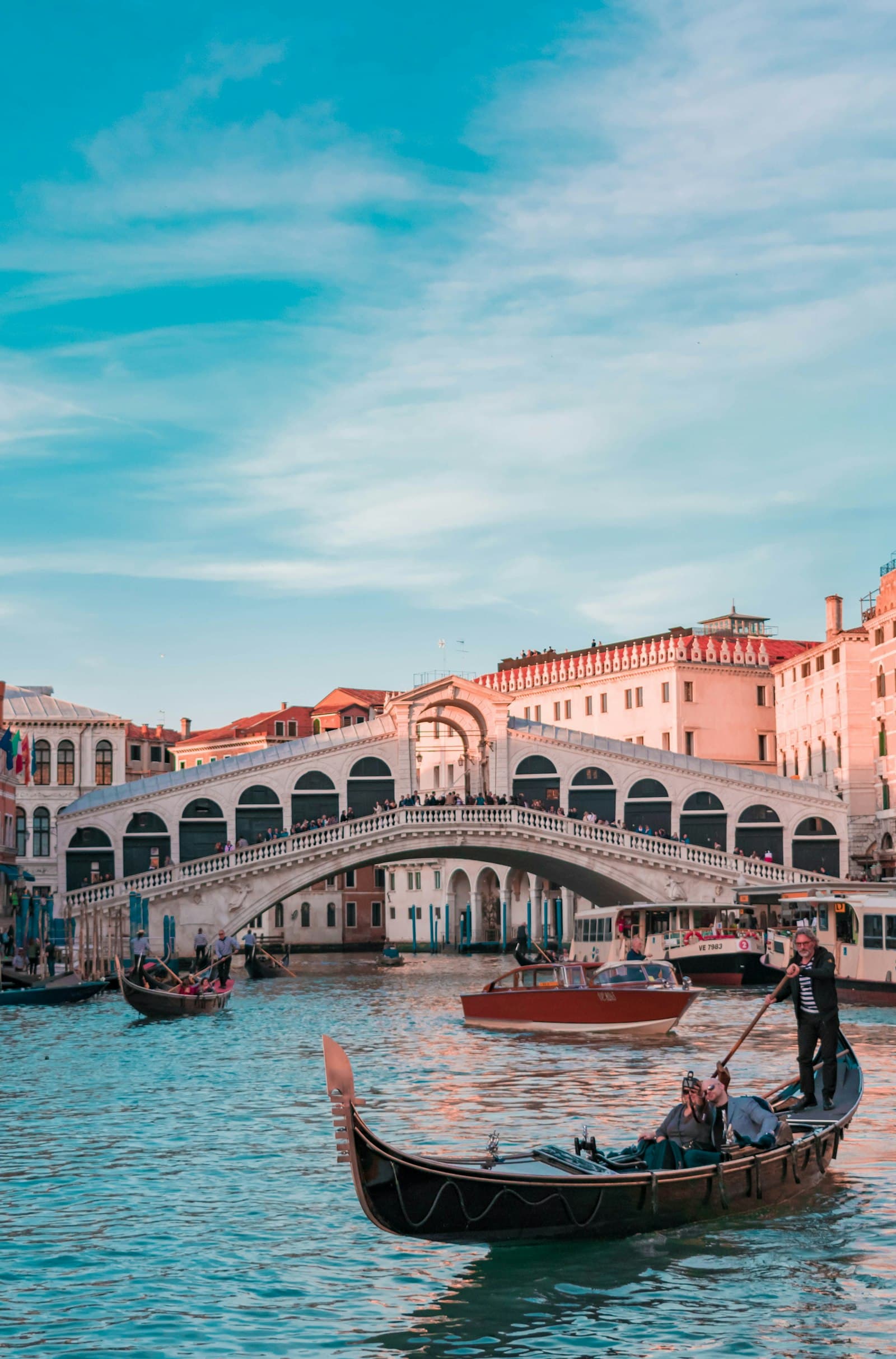
The biscuits did not take much time to transfer from the countryside to Venice. The sailors, merchants, and porters were very fond of these biscuits, which were easily carried by them to traverse the Grand Canal, to reach the Rialto Market and the Pescheria, and to pass long nights at thebacari bars. The biscuits had a long life when one was travelling, and it was a relief to eat them after a long day.
In the course of time, the zaetis eventually ended up being featured in the common Venetian osterie where the proprietor used to offer the cookies along with a glass of wine.
They easily became a favorite in the San Polo Venice area right up to the Cannaregio Venice streets and eventually into the Venice Castello regions before finally making an appearance as a common homemade dessert in the Venice of Italy.
But Zaeti would not relinquish this humble legacy as the ages passed by. They remained a biscuit flavored by simple and down-to-earth living, an emblem of the fact that the epicenter of culinary culture is no less rooted in simplicity than it is in banquet-style sophistication.
Important Ingredients - The Backbone of Zaeti
Even though it seems that every family in Veneto has its own secret variation, all the basic ingredients that go to make up Zaeti are actually similar. The basic ingredients are largely what give it its characteristic taste and texture.
A. Cornmeal (Polenta Flour)
Cornmeal is the ingredient that makes Zaeti. It is the yellow color, the rustic texture, and the grainy crunch of these cookies that are the result of this ingredient alone. Baking specialists also produce their versions of this ingredient by using the fine and coarse textures of cornmeal.
Rice Flour: Adding wheat flour makes it soft. Too crumbly is what the biscuit would be without it. A perfect combination of crunchiness and softness is achieved by the addition of polenta and wheat.
Butter: Butter is also another addition that can give the dish some richness and flavor. Butter is a critical part of this recipe, and it is the one responsible for imparting a specific flavor to the cornmeal that would otherwise not be present.
Sugar: The zaetis are always sweetened in a very delicate way in order to let the flavors of raisin and aromatic seasonings be appreciated. The sweetness is not excessive, which one could well consider normal in a classic Venetian dessert.
Raisins or Sult: Raisins, rehydrated through the absorption of water, rum, or grappa, provide the "sweet release" in each biscuit. In terms of texture, raisins are soft, while biscuits are grainy.
Arom: The typical aromas which will include lemon zest, vanilla, and/or a splash of rum and/or grappa, will merely amplify the flavor and, in no way, hide the subtle flavor of the biscuit.
Optional Additions: In other families, the addition of pine nuts, orange peel, or a mixture of nutmeg and other milder spices like anise might be used to give the biscotti a homemade twist.
The Process of Zaeti Production - The Traditional Way
The process for making a homemade Zaeti in a Venetian bakery is very simple. The appeal of such biscuits does not lie in the process but in the detail of the process.
Preparation of Raisins: The raisins need to be packed in their container with water or alcohol such as grappa or even rum. The raisins will soften, their taste will intensify, and they will remain juicy even after baking.
Mixing the Dough: The dough is begun by creaming butter that has been softened, along with sugar and any aromatics. The fragrant dough is then intensified by adding corn meal and wheat flour. The dough is not smooth.
Baking the Cookies: Zaetis are typically made in the shapes of little ovals, diamonds, or round patties. The bakers will flatten them a bit in order to bake evenly. Irregular shapes will remind them of homemade zaetis.
Baking: These cookies are baked until the edges are slightly golden and the centers are soft and tender. Otherwise, the cookies will lose this tenderness if baked for a long time.
The Final Result: The Zaeti, after cooling, develops a subtle crunch of exterior and a soft core. The flavor, which is a mixture of butter, corn, and citrus, is strengthened by the cooling of the pastry.
Taste & Texture – The Zaeti Difference
Zaeti offers an experience that encompasses all that is typical of traditional Venetian home cooking through:
Texture: The cornmeal is crunchy, while the butter is softened. This gives the cookie a firm yet very tender structure, ideal for dipping.
Flavour: This time, the sweetness is restrained, and the flavours of corn, butter, and soaked raisins dominate.
Aromatics: Lemon zest or vanilla is added to prevent over-powering the earthy flavors.
Raisins: With each bite, a sweetness and a small piece of chewy heaven accompany the straightforward nature of the biscuit.
This is the reason why Zaeti so perfectly pairs with any type of drink, ranging from hot drinks to even dessert wine.
Variations in the Veneto Region
Traditional recipes, just like Zaeti, differ from one family to another and from one place to another. They are influenced by the will of those who consume them.
Cornmeal Texture: Some bakers may choose to use a coarse polenta to add texture, whereas a finer cornmeal can also be used to create a soft cookie.
Shapes: The common shapes include diamond or oval shapes. There are bakers who opt to make the shapes round or even irregular shapes.
Add some: Pine nuts or citrus peel may also be added.
Flavour Enhancers: Certain recipes involve adding a dash of rum or grappa to the dough.
Sometimes, in more recent versions of the recipe, additional ingredients may be included, so chocolate chips or other spices may be found in these recipes, while traditional versions will use the exact recipe as before.
Cultural Role - Zaeti in the Venetian Daily Life
The role of the Zaeti is very special in the culture of the people of Venice. One can often find the Zaeti in the pasticcerie and the osterie, which are present in the areas of Cannaregio Venice, Santa Croce Venice, Venice Castello, and San Polo Venice.
In Bacari: Zaeti are normally consumed in traditional Bacari restaurants, together with wine as dessert food. Zaeti are featured as a dessert dish, while their rural origins are quite different from the culinary expertise witnessed in dessert dishes of Venetian origin.
At Breakfast: Zaetis are commonly consumed as breakfast food by the people of Venice while drinking cappuccino or espresso. Their toughness even enables them to be dipped.
With Family & Guests: Giving zaeti to visitors is a sign of showing guest hospitalities especially when they visit for family reunions.
In the Island Communities: The bakeries on Burano Island Venice and Murano are characterized by local components, which set their Zaeti differently from that in Venice.
How Venetians Enjoy Zaeti - Pairings & Traditions
The skills that Zaeti has make it pair well with other characters in the following combinations:
With Dessert Wines: Zaeti can be paired with sweet wines such as Moscato, Passito, Recioto, and so on. Zaeti is mild in taste; it can be coupled with the kind of wines that usually accompany a Venetian meal in a Venetian family.
With Coffee or Tea: The biscuits have the capability to maintain their form when they are dipped in a liquid warm beverage.
With Gelato or Mascarpone Cream: In modern cafes, Zaeti could instead come topped with gelato or mascarpone cheese.
In the Course of Holiday: Zaeti is very popular in winter festivities, as it brings warmth and comfort during the holidays.
Best Venice Passes
Where to try Zaeti in Venice
Zaetis are found in Venice in large numbers. It is advantageous to those who wish to encounter Zaetis since Venice is a tourist destination. Zaetis can be found in Venice.
Cannaregio, Venice: Famous for its bakeries, which make typical Venetian candies.
Santa Croce Venice: It’s a place where countryside-style pastry shops have a significant value.
Venice Castello: Famous for having many family-run bakeries that keep up with the traditional way of cooking there.
Venice San Polo: In the neighborhood of the markets and osterie where the Zaeti are known to appear after meals.
Rialto Market and the Pescheria: The area boasts various shops that sell packaged Zaeti to travelers.
Furthermore, there are bakeries on the island of Burano, which is in Venice, that are selling homemade specialties called cookies, which are based on traditional recipes.
Bringing Zaeti Home – Buying and Storage Tips
As Zaetis tend to keep well, they are ideal travel companions and gift products:
Purchase biscuits which are colorful and contain raisins.
It is recommended that it be stored in an airtight container to keep it fresh.
They stay crispy for a couple of days and even acquire a stronger scent when given time to rest.
Additionally, the gift boxes that are made available by the Venetian bakeries make them excellent gift items.
“The sweet always travels back with other Venice specialties such as bussolà, baicoli, or almond biscuits,” Adrienne recipes.
Visitor Information & Ticket Information for Zaeti (Zaêti/Zaleti)
Visitor Information
Opening Hours: Typical pasticcerie, cafes, and bakeries that sell Zaeti operate in the morning. This typically ranges from 7:30 to 9:00 in the morning. Some of these places operate for most of the day, closing in the late afternoon or early evening.
For the freshest biscuits and the best varieties, it is recommended to go to them early morning or in the early afternoon because some shops bake their Zaeti early to prepare it by the time of coffee and lunch.
Since Zaeti are non-seasonal/non-event foods, a normal bakery is always open with a normal operation cycle in a year.
Best Time to Visit: It is of no significance which day of the week is involved. Zaeti are ever-present as components of the Venetian cuisine.
For tourists who would like to switch between discovery and relaxing: Late morning or early afternoon might be the best time – just a stroll around the historic quarters, and then a visit to a coffee shop to have biscuits and tea. If one desires an undistracted environment, the best time to visit the place should be when it is not in the peak season. This is during late autumn through winter.
Fashion Rules and Entry Procedures: As the visit consists of visiting regular cafes, bakeries, and pastry shops instead of regular museums, there is no reason to dress up except to follow proper public behavior. Casual clothing and footwear are recommended, especially if people plan to walk around in Venice. Anyone is welcome; no entrance test is required, nor is it mandatory to produce tickets.
It is expected that a visitor behaves well when he is in shops of this kind; he must stand in a queue, make no noise, and also handle his goods with care, especially those with biscuits. Whether buying in bulk units or preparing to transport things on a journey, it is often a good idea to have an empty light bag at hand, and many shops will provide a simple wrapping service, but a bit of extra care is required with delicate biscuits.
Ticket Information and Access
No ticket or payment is required to gain access to shops that sell Zaeti. The only payment that would be made is for biscuits, depending on their number, as mentioned above, and also depending on how the biscuits would be packed, that is, normal or souvenir packaging.
Transportation to Venice and inside Venice would follow normal or vaporetto prices, as mentioned above, and is not relevant to costs incurred when purchasing Zaeti.
Online Booking: The fact that Zaeti is a normal product that could most probably be found in normal bakeries rather than souvenir shops means that there is actually no need to make use of online booking.
The normal method of purchases, that is, walk-in purchases, is most dominant, anyway. The most up-market bakeries or souvenir shops could offer their customers order-taking on their websites if one wants a delivery of fresh biscuits, that is, a customer could order a delivery of biscuits on the website, to buy a bulk delivery of biscuits.
To make things simpler, one could contact the shop beforehand regarding their product availability as well as its packaging.
Guided Tours & Experiences: While there isn’t such a thing as the “Zaeti museum” in the fullest sense, for the tourist interested in the cuisine culture, the following should prove interesting:
Food and pastry tours in the Venetian vicinity, that include visits to periodic historical bakeries where the Zaeti are served, followed by information sessions on biscuits and the history surrounding Venetian biscuits.
Café-hopping tours that include the combinations featuring Zaeti biscuits and Venetian coffee or wine in the different regions across the Cannaregio Venice, Santa Croce Venice, and Venice Castello regions.
Cooking/baking classes in the field of cuisine – although not exclusively centered on biscuits, there are few cuisine tours that involve hands-on learning pertaining to the traditional cuisine, such as the aforementioned Venetian biscuits – always worth it for the tourist seeking to make their own Zaeti in the comfort of their own home.
They allow the tourist access to information that transcends that from the purchase itself, such as the ways and means behind the biscuits and their respective traditions surrounding the Venetian culture.
Recommendations from Our “Tickets” & Experiences
Rialto Market Food & Sightseeing Tour in Venice with a Local
Sunrise unforgettable Photography Walk - Venice at Dawn
St. Mark’s Basilica Visit with Classic Gondola Ride
Purchase Guides for the Visitors
The morning hours should prove ideal with the freshest biscuits. If one plans on taking the vaporetto, they should check the schedule since there are bridges that have to be crossed, and the tourist could end up taking the long route if taking the vaporetto. If taking the walk, the tourist will find that the alleys tend to become quite narrow.
Buy the biscuits in smaller packages if they are to be given out to people during gift-giving occasions. While they should provide the package services if they are able to, they will provide extra care since they will have handled the merchandise.
Everyone should follow proper etiquette principles whenever relating to the store or store assistants.
Zaeti at Home – Tips & Tricks
For anyone wanting to bring the tastes of Venice into the home kitchen, the following advice ensures success:
Fine or mixed cornmeal should be used.
Don't overwork the dough. It's preferred to have a rustic texture.
To give it a Venetian aroma, soak some raisins in grappa and add.
The lemon zest should be subtle and refreshing.
Allow the cookies to rest so that they can absorb more flavor.
Homemade zaetis add a touch of Venetian warmth to any kitchen.
All Affordable Tours in Venice
Conclusion – A Simple Biscuit with a Deep Venetian Soul
If cooking is an act of Zaeti, it is the representation of everything that characterizes the homemade cuisine from Venice – simplicity, warmth, tradition, and goodness. Their color reminds me of traditional baking through the years; their fragrance reminds me of the coffee shops lining the Grand Canal or the tranquility of a morning in San Polo Venice; their taste is the story of the years of the Venetian families that prized goodness in food.
Whether it is consumed in an antique café, an isolated bakery in the neighborhood of Cannaregio in Venice, or the colors of Burano Island Venice, Zaetis continue to remain those sweets in which the authentic culture of Venice lies. It can be consumed as a bakery in Venice or can also be prepared at home.
Consider the final image: "the plate of golden Zaeti resting on that gleaming surface, a plate of steaming coffee beside it, the evening boats silently drifting by. And this moment captures "the essence of the city, right there in that plate.