Architecture Beyond the Palazzi: The Industrial Heritage, 20th-Century Buildings & Modern Interventions in Venetian Landscape
In the public imagination, for centuries, Venice has been defined through an iconographic sequence of architectural marvels: Byzantine mosaics, Gothic tracery, Renaissance rhythm, and Baroque theatricality.
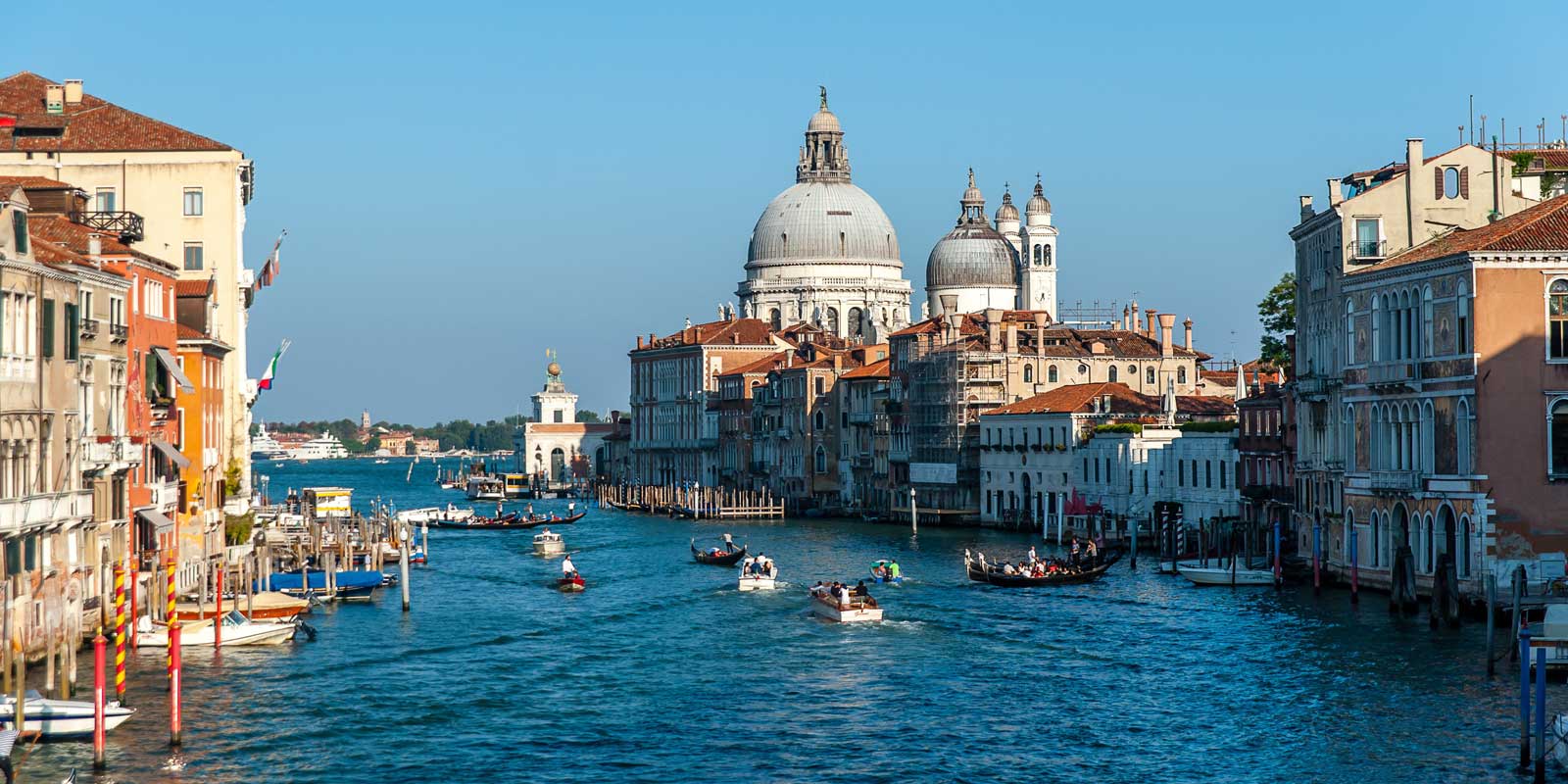
Images of ornate palazzi rising from the water-reflected along the Grand Canal and framed by churches such as San Giorgio Maggiore have become the city's global architectural signature. These façades seem timeless, suggesting a city immune to the passage of history and technological change.
Yet, beneath this familiar visual identity lies an equally appealing tale. Behind the postcard-perfect palazzi lies a less visible yet fundamental architectural world: industrial warehouses, infrastructural complexes, modernist public buildings, post-war housing, and recent interventions answering the challenges of environmental, logistical, and cultural needs.
These structures are dispersed between Giudecca, Venice Mestre, the port zones, and the outer edges of The Venetian Lagoon and form a robust architectural layer connecting Venice not only to its past but also to the realities of the 19th, 20th, and 21st centuries.
The paper broadens the reader's perception of Venice beyond its ornamental façades and probes the way in which industrial patrimony, the experimentation of 20th-century architecture, and sustainable interventions carve today's built environment of the lagoon. It shows that Venice is neither stuck in a moment in time nor architecturally homogeneous but a multilayered palimpsest that keeps changing in reaction to global, ecological, and urban pressures.
Unmissable Venice Tours
Rethinking Venice: A City with Multiple Architectural Eras
The Myth of a Frozen-in-Time City
The popular visions of Venice present a city untouched by modernity, a living museum anchored in medieval and Renaissance splendor. Such a narrative is overtly romantic, grossly simplifying its architectural reality. Entering the 19th century and onwards, Venice had to provide structures for industrial production, maritime logistics, urban services, administrative functions, and houses to shelter the growing population.
These necessities produced a parallel architectural world-functional, infrastructural, and often understated. While these structures seldom appear in tourist imagery, they are indispensable to the understanding of how the city works.
Why Modern Architecture Exists Quietly within the Lagoon
Unlike most European cities, Venice faces highly specific geographic constraints: scarcity of land, waterlogged soils, fragile foundations, and environmental vulnerabilities. Indeed, modernist architectural solutions had to respect the delicate balance of the lagoon.
Industry and infrastructure include: durable materials, especially reinforced concrete and steel. Lightweight frameworks compatible with soft soils.
Another challenge is the required sensitivity in integration so as not to overshadow historical landmarks. Modern interventions, therefore, exist but do so discretely. They perform essential functions-energy infrastructure, transportation nodes, industrial production, educational campuses, and public housing-without disturbing the artistic heritage of Venice. Their understated presence does not represent a lack of innovation but rather architectural restraint and adaptation.
Industrial Heritage: Venice's Forgotten Built Landscape
The Port and Maritime Infrastructure
The Industrial Evolution of Venice-accelerated since the late 19th and early 20th centuries-focused on maritime trade, shipbuilding, and enlargement in logistical support. By using reinforced concrete, iron trusses, and wide-span halls, buildings such as warehouses, customs, and port complexes have emerged along the edges of this lagoon.
Many such structures still stand today in the port districts and along the industrial waterfronts, the buildings an indication of a working Venice that had to be in place for economic survival during Italy's industrialization, overshadowed as they were by monumental architecture.
Industrial Islands and Productive Sites
In fact, various islands in The Venetian Lagoon did host industrial or logistical activity. The island of Giudecca, for instance, was home to mills, factories, and worker housing. Flour mills with towering brick façades gave way to ship-repair hangars, storage depots, and industrial courtyards, forming a parallel urban world.
Other lagoon islands served agricultural, military, or manufacturing purposes. Visitors today think of Murano and its glassworks as artistic and artisanal, but in fact the furnaces of Murano reflect industrial development through the 19th and 20th centuries: advances in kiln technology, firing processes, and increased capacity.
Even today, peripheral islands retain remnants of utilitarian landscapes, holding Venice as other than simply a tourist destination or an artistic treasure.
Adaptive Reuse of Industrial Spaces
Meanwhile, Venice has become a world leader in adaptive reuse - a way to protect industrial heritage while giving it fresh significance. Abandoned warehouses have now become:
Cultural venues
Artist studios
Exhibition centres
Civic spaces
University facilities
Industrial buildings allow flexibility in their wide interiors and robust construction. Their renewal provides continuity with Venice's working history and meets sustainability goals in line with contemporary cultural life.
Notable examples of adaptive reuse can be found in Giudecca, where former factories have been given new life as galleries, creative hubs, and residential loft spaces.
The Architectural Movements of Venice in the 20th Century
Modernist Influences in a Historic City
In Venice, modernism had to be carefully negotiated. Preservation laws and community resistance precluded radical change, yet the 20th century still produced meaningful modernist architecture tempered by local strictures.
These buildings include: universities and technical schools, administrative offices, residential blocks in rationalist style, public services designed with functionality over ornament
These structures, while not monumental, reflect a pragmatic modernism, sensitive to scale and material compatibility within the lagoon.
Rationalist and Postwar Public Architecture
In Venice, a pragmatic wave of public architecture fell into place during the early to mid-20th century, exactly in tune with rationalist principles. Ornamentation gave way to clean lines, façades underlined rhythm and proportion, while buildings favored spatial clarity and efficiency to serve post-war social needs.
This layer of modernity was embedded in public housing complexes, schools, civic offices, and medical facilities within the city. The architecture used modularity, inexpensive materials, and simplified forms in tune with the broader rationalist and post-war reconstruction movements in Italy.
Transport and Infrastructural Modernity
Being a water-bound city entailed continuous infrastructural innovation for Venice. New vaporetto terminals, ferry landing stages, logistical docks, and maintenance facilities were also built in the 20th century, as were bridges.
These structures employed new, modern materials-steel canopies, glass enclosures, concrete piers-specifically to withstand constant water exposure; their designs remained consciously modest, integrating into the historic landscape without visually competing with historic icons like Palazzo Grassi or Punta della Dogana.
Contemporary transportation infrastructure demonstrates that functionality and heritage preservation can be combined under one approach: the architectural strategy for Venice.
Contemporary Interventions in the Venetian Landscape
Modern museums, pavilions and cultural venues
Contemporary architecture in Venice often aligns with cultural production. Events associated with The Venice Biennale have driven new pavilions, exhibition halls, and modular installations. Those can be: lightweight, reversible, ecologically responsible, and compatible with historic surroundings.
Whether Punta della Dogana or private galleries near Palazzo Grassi, modern museums combine their contemporary art presentation with sensitive architectural integration.
Residential and Commercial Adaptations
Modern residential developments are highly regulated, existing in peripheral areas and islands. Former industrial zones on Giudecca are now home to renovated lofts and modern apartment complexes, while elsewhere, commercial buildings incorporate glass, metal, and efficient interiors within contextual façades.
Part of the architectural evolution in Venice is the energy-efficient retrofitting, improved accessibility, and climate-responsive updates that aim to ensure that existing structures adapt to rising tides and modern living standards.
The role of sustainability and environmental design
Sustainability now guides all architectural intervention in Venice. Strategies include: flood-resistant retrofits to the ground floor, raised pathways and modular walkways, materials designed for salinity resistance, bio-based building solutions, and renewable technologies integrated discreetly.
New construction is respectful of the fragility of The Venetian Lagoon, using reversible or low-impact interventions. Architectural innovation in Venice is, thus, directly related to environmental stewardship.
Best Venice Passes
Architectural Landscapes Beyond the Historic Centre
The Industrial Charm of Lido and Mainland Edges
The Venetian Lido began to develop as a seaside resort in the early part of the 20th century. Its architecture includes: modernist beachfront hotels, Art Deco pavilions, sports complexes, with promenades and seawalls.
These structures present a clear contrast with the Gothic and Renaissance forms of central Venice and manifest an era of architectural leisure.
On the mainland, Venice Mestre presents the city's largest stretches of modern architecture. Mestre's urban grid, large-scale housing, factories and administrative buildings provide insight into the contemporary function of the Venetian metropolitan area-far removed from the palatial aesthetic tourists usually encounter.
Giudecca: Industrial Past and Modern Renewal
Of all the lagoon islands, Giudecca holds the most powerful story about industrial transformation: from a place with mills, factories, warehouses, and worker housing blocks to: repurposed industrial lofts, art studios, modern housing estates, cultural venues.
A walk along the waterfront reveals contrasts between brick industrial shells and sleek, modern additions, a sort of open-air exhibition to Venice's transition from manufacturing to creative industries.
Peripheral Islands with Architectural Identity
Smaller lagoon islands have a specific architectural history related to agriculture, military strategy, logistics, religious communities, or industrial production.
Torcello, Burano Island, and other places in Venice have maintained rural, artisanal, or vernacular architectural identities shaped by adaptation over many centuries.
These places themselves are not modern, but they are part of the lagoon wide architectural ecosystem where diverse functions and eras coexist.
How these "non-palazzo" structures influence Venice today
Venice as a Layered Architectural Palimpsest
Architecture in Venice cannot be seen only in its churches and palaces. The city is a sort of palimpsest where every era inscribed its needs, its technologies, and aesthetics onto the fabric of the lagoon. Industrial and modern buildings show Venice as the city of workers, engineers, administrators, labourers, and innovators-not only merchants or aristocrats.
Preservation Beyond the Monumental
Most of the debates on conservation have centered on great historic structures. It is similarly important to discuss industrial buildings, early modernist projects, and 20th-century public architecture. Their preservation is, in fact, a way to preserve a record of the socio-economic evolution of Venice.
Adaptive reuse already shows how the non-monument building stock--particularly those on Giudecca or port edges--contributes to the cultural vitality of Venice.
Contemporary Debates: Innovation vs. Protection
The debates around X form the architectural future of Venice.
Protecting authenticity v enabling innovation
Adaptation to climate change versus visual continuity
Integrating sustainability technologies vs. resisting aesthetic intrusion
In this way, discussions of policy must balance heritage with ecological need and function in modern times. Venice will only survive on the strength of design strategies that will face rising tides, population change, and evolving economic demands.
Visitor and Ticket Information
Visitor Information
Opening Hours: Most historic palazzi in Venice open mid-morning and stay open well into the late afternoon. For instance, Palazzo Contarini del Bovolo opens from 9:30 am to 5:30 pm on winter hours and from 10:00 am to 6:00 pm on summer hours. To identify the optimal time slot, visitors should look to a specific palazzo's site, as hours often change with exhibitions, the duration of restoration work, or changes in seasons.
Best Time to Visit: To appreciate the architecture of the facades, loggias, and canal-side presence of the Venetian palazzi, it is better to visit them early in the day when the light highlights the architectural details. Architectural comment says that the façades, tall windows, and elegant heights of a Venetian palazzo were designed to impress.
Week-middle days are preferable over crowded weekends for a more tranquil experience. Also, during the off-peak seasons, one has greater space for contemplation of the details: rustication, poliforas, and the layering of Gothic, Byzantine, and Renaissance systems.
Dress Code & Entry Rules: Although there is no official dress code for the majority of the palazzi-turned-museums, visitors are encouraged to wear respectful, smart casual attire, as their interiors may include sacred or heritage spaces.
For example, Palazzo Ducale suggests: “it is not permitted to enter… in beachwear or skimpy clothing.” Entry rules often include: no large luggage, bag-check facilities, restrictions on food or drink, and following the signs regarding photography (some interiors may forbid flash or tripods). It is a good idea to check out the specific palazzo's "plan your visit" page before arriving.
Ticket Information
Most of the museum-collections palazzi and those formally open to visitors require tickets. For example, the Palazzo Contarini del Bovolo lists full-price tickets at €8.00, reduced at €6.00 for children between 12–26 years old, over 65, and with certain member cards, and free for children under 11.
Likewise, the larger civic site Palazzo Ducale indicates seasonal opening hours and recommends planning for a ticketed visit of 1½-2 hours. Guests should also check whether their ticket includes special itineraries like secret passages or rooftop views, as well as combination offers with other city museums.
Online Booking: Advance online booking is recommended. It both guarantees entry within a time-slot and often secures a discount. For example, the website of Palazzo Contarini suggests buying your ticket online, since the entrance is scheduled every half an hour.
In addition, the Venice architecture-exhibition sites typically would indicate that tickets and guided-tour slots need to be booked online only; there's normally a small online-sales fee, and non-refundable terms apply.
With major palazzi operating under civic-museum foundations, the reservation via an official museum portal will ensure you get the authentic ticket without any third-party surcharges.
Guided Tours: Guided tours add depth to your visit by explaining architectural features-for example, layers of Gothic arches, Byzantine, and Moorish motifs, and Renaissance ordering typical of Venetian palazzi. Many palazzi offer small-group guided tours. These might include a roof-terrace view or a more inaccessible wing.
For example, Palazzo Ducale tours emphasize special itinerary admission ("Secret Itineraries") not available with the standard entry ticket. When booking, check the language of the tour and what is included-such as either audio-guide or live guide-along with meeting point details to ensure alignment with your schedule.
Recommended Tickets
Tour of St. Mark's Basilica & Doge's Palace with Entry
Venetian Elegance: Lagoon Cruise with Live Classical Music
Half-Day Guided Tour to Murano, Burano & Torcello Islands
Recommended Architectural Walks for the Curious Visitor
Walk 1: Giudecca's Industrial Waterfront
This walk explores
Former mills and factories
Repurposed warehouses
Modern housing conversions
Waterfront studios and cultural sites
From the promenade, one sees how the industrial brick façades interact with modern glass interventions to form one of the richest architectural dialogues of the lagoon.
Walk 2: Modern Venice on the Lido
Architecture along the Lido reveals resort hotels dating from the early 20th century rationalist pavilions, public promenades and seawalls recreational and sports architecture. The walk provides insights into Venice's engagement with leisure culture, modern tourism, and coastal urbanism.
Walk 3: Hidden Infrastructure Within the Historic Centre
There are buildings in central Venice that mask functional roles behind historic facades: logistic hubs vaporetto terminals administrative buildings Bridges with Modern Materials Contemporary service structures These subtle insertions mean that the historic centre can function as a living city without sacrificing its visual integrity.
Best Venice Entry Tickets
Conclusion
The architectural richness of Venice goes far beyond Gothic palazzi and Renaissance splendour. The city contains an amazing variety of forms, which include industrial warehouses, infrastructural complexes, modernist schools, 20th-century housing, contemporary museums, and adaptive reuses.
Such buildings are found throughout Giudecca, Venice Mestre, the Lido, and the islands of The Venetian Lagoon, and they are integral to Venice's identity. The layers add a more complete understanding to how the city functions, grows, and meets modern challenges. Industrial heritage remembers Venice as a powerhouse of production. Buildings in a modernist and rationalist style tell about its adaptation to the 20th century.
Contemporary interventions illustrate innovation guided by sustainability and cultural sensitivity. Venice is not, then, a museum of palaces but an ever-changing, resilient, and complex urban organism.
Exploring these "non-palazzo" structures invites visitors into the lived realities, historic transitions, and architectural ingenuity continuing to form the lagoon city today.