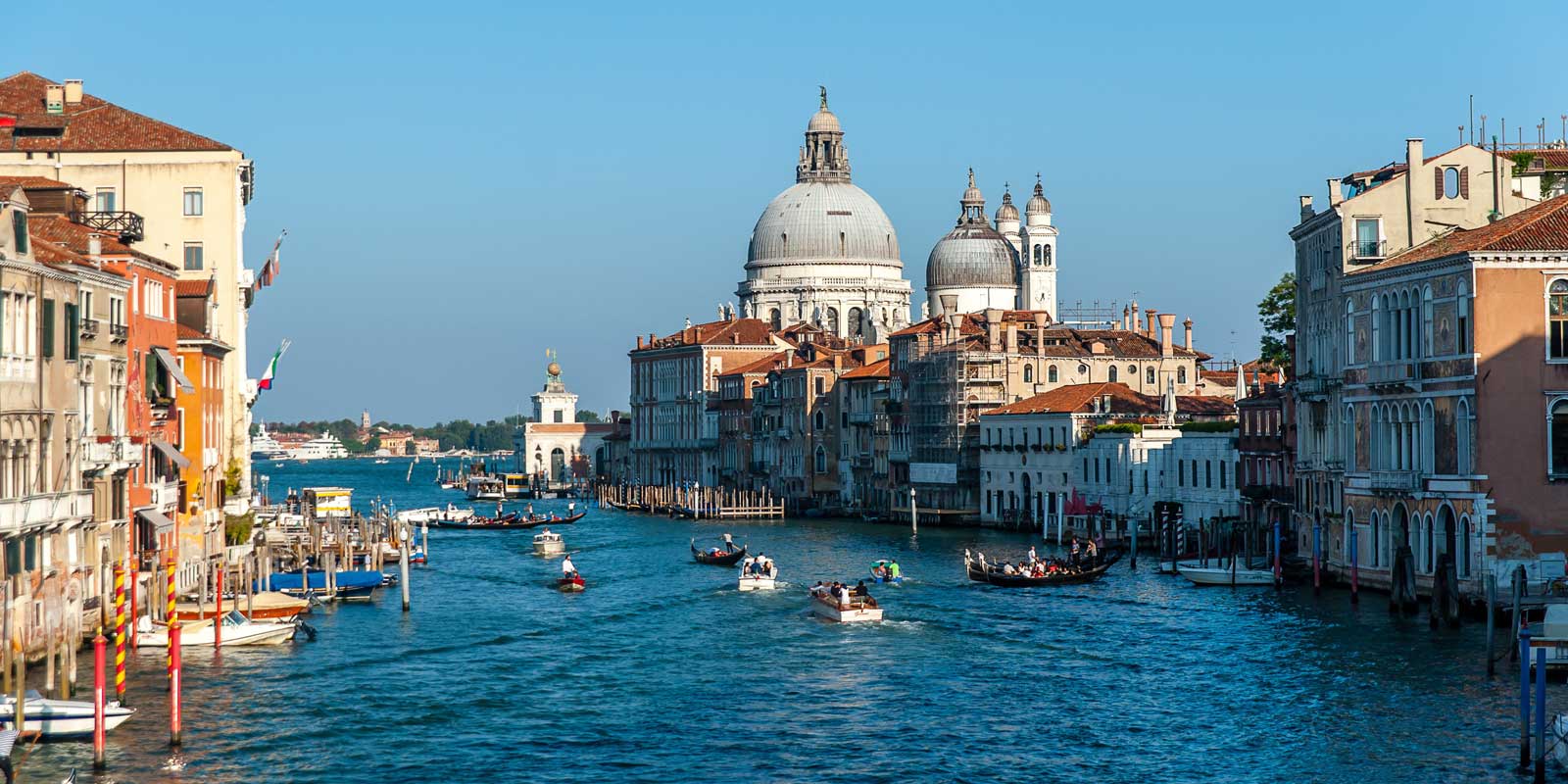
Best Walking Routes in Venice (With Time + Bridge Difficulty Levels)
Of the ways to discover Venice, walking remains the most intimate and rewarding way. The city's intricate web of canals, narrow calli, and historic bridges invites visitors to stroll, get lost, and uncover layers of history around each corner. Unlike most cities in the world, Venice is completely free from cars; here, the only wheels are those of luggage, never traffic.
Yet the same beauty that enchants may easily bewilder: with over 400 bridges connecting 118 islands and narrow alleys twisting into hidden camping, the visitor will soon learn that a pre-planned walk may make the difference between serene discovery and disoriented fatigue. Gaining knowledge of bridge difficulty levels, walking times, and how the ground will be helps travelers to choose routes which will fit their stride and interest.
This tour will walk the reader through routes curated around the sestieri in Venice, from vibrant San Marco Venice to quiet Cannaregio Venice, including time estimates, bridge difficulty ratings, and insights from experience.
One could preview each path using reliable tools like VeniceXplorer, track down bridges, and even seek out flatter, more accessible routes. From St Mark's Square down to the quieter lanes behind Arsenale, this article describes the very best ways to see Venice on foot.
Unmissable Venice Tours
How to Assess Bridge Difficulty & Walking Time in Venice
Walking in Venice is not a question of distance but of rhythm, surface, and steps. Bridges are the defining feature of the city's pedestrian landscape, and it is their number and height that determines how demanding a walk can get.
Bridge Difficulty Levels
Easy: Completely flat route; no or few steps. Suitable for people carrying light luggage, with prams, or with mobility issues. It can be a walk along Riva degli Schiavoni or parts of Cannaregio.
Moderate: Several small bridges (10–20 steps) interspersed with cobblestone alleys. Suitable for most travelers comfortable with short climbs.
Difficult: Includes multiple bridges, some with steep ramps over 20 stairs, such as the Ponte degli Scalzi or the Accademia Bridge. Recommended for travelers ready for longer walking and a variety of surfaces.
Factors Affecting Walking Time
Walking times in Venice are more than a matter of simple distance, as narrow calli, crowds near tourist landmarks such as Rialto Bridge, and uneven paving stones can all slow progress. Travellers with luggage, or touring at high tide (Acqua Alta), should expect further delays.
Using the interactive mapping provided by VeniceXplorer, for example, route planners are able to preview vaporetto stops, pedestrian paths, and topography overlay in their route. The user can see in real time slopes, steps, and alternative routes that are very helpful when combining walking with vaporetto transfers.
Recommended Walking Routes (With Time + Bridge Difficulty)
Route A: San Marco Loop
Start: Piazza San Marco → San Zaccaria → Doge’s Palace → Bridge of Sighs → Riva degli Schiavoni → return via gondola viewpoints
Estimated time: 45–60 minutes
Bridge difficulty: Easy to Moderate
Highlights: St Mark’s Basilica, lagoon promenade, waterfront cafés
This tour starts from the grandest stage of all, St. Mark's Square. It takes in St. Mark's Basilica, crosses over to Doge's Palace, and stops at the Bridge of Sighs, probably the most photographed crossing in Venice. Continuing along Riva degli Schiavoni, walkers enjoy open views out over the lagoon, with soft sea breezes, as they loop back toward Piazza San Marco.
Generally speaking, the terrain here is flat, only occasionally punctuated by the odd step. This makes the area ideal for first-time visitors or those with limited mobility. For further information, VeniceXplorer has added public benches, rest points, and cafés along this popular promenade.
Route B: Rialto & Grand Canal Walk
Start: Rialto Bridge → Campo San Bartolomeo → Fondamenta del Cannaregio → Ponte degli Scalzi → Santa Lucia Station
Estimated time: 60–75 minutes
Bridge difficulty: Moderate
Highlights: Grand Canal views, vivacious markets, classic Venetian architecture
This classic route follows the pulse of the commercial heart of Venice: from the Rialto Bridge, one of the icons of the town's architecture, down into Campo San Bartolomeo, lined with cafes and shops selling everything from high-end items to souvenirs, then on along the Grand Canal, lined with elegant palazzi, all the way to Santa Lucia Station.
The biggest challenge of this route is the ascent of the Ponte degli Scalzi, which is made up of about twenty broad steps; however, any climb is well rewarded by the view from above. This tour cannot miss those travelers who are into classic Venetian energy, with merchants and gondolas and the scent of espresso in the air.
The crowds peak at mid-day, so early in the morning or in the evening would provide the most peaceful experience.
Route C: Cannaregio to Jewish Ghetto Circuit
Start: Fondamenta Nova pier → Cannaregio Canal side walks → Ponte dei Tre Archi → Jewish Ghetto → return via Fondamenta dei Ormesini
Estimated time: 50 minutes
Bridge difficulty: Easy
Highlights: Serene canals, authentic local life, and rich cultural heritage.
Those in search of a relaxing Venetian walk should look no further than Cannaregio, Venice. This route, starting from Fondamenta Nova, follows tranquil canals lined with residential homes and small trattorie.
Its architectural highlight comes in the shape of the triple-arched stone bridge Ponte dei Tre Archi, before entering one of the world's oldest Jewish Ghettos.
Flat terrain and low-rise bridges over the water make the area easily accessible for guests with a stroller or wheelchair. Campo del Ghetto Nuovo is a must-stop for travelers. Here, history, art, and the daily life of the Venetians meet. With VeniceXplorer, the accessible entries are marked to avoid steep crossings or dead-ends.
Route D: Dorsoduro Waterfront & Zattere Promenade
Start: Accademia Bridge → Zattere Promenade → Punta della Dogana → Santa Maria della Salute → Salute Bridge → return through inner calli
Estimated time: 70–90 minutes
Bridge difficulty: Moderate to Challenging
Highlights: Lagoon views, museums of art, and quiet cafés
This scenic route captures the southern soul of Venice along the Dorsoduro waterfront. From the Accademia Bridge onward, walkers cross into one of the most artistic areas of the city. This wide, sunlit promenade, Zattere, frames a view of Giudecca Island and is lined with gelaterias and outdoor cafés.
At Punta della Dogana, the lagoon dramatically opens up to postcard views toward San Giorgio Maggiore. From there, the elegant steps of Santa Maria della Salute seem to rise like waves of marble. Coming back through inner calli, the quiet side of Dorsoduro shows student life mixed with that of the local artisans.
This is a moderately demanding route; there are several tall bridges en route. The views, however, are well worth the climb, especially at sunset.
Best Venice Passes
Route E: Castello & Arsenale Walk (Off the Beaten Path)
Start: San Zaccaria vaporetto stop → Castello district → Arsenale entrance → Biennale Gardens → Riva degli Schiavoni return
Estimated time: 80–100 minutes
Bridge difficulty: Challenging
Highlights: Naval history, local life, open gardens
Castello district represents Venice's most genuine face, a place where residents still hang laundry across the courtyards and children play in the campi. This extended route begins at San Zaccaria, then winds through Arsenale, the historic shipyard that once built the Venetian Republic's naval fleet.
Past the Biennale Gardens, walkers find leafy serenity rarely seen in the more central areas of Venice. Returning along Riva degli Schiavoni, the lagoon again opens in breathtaking sweeps toward Lido Venice.
This walk is more physically demanding than most because of the many bridges and long sections. There are also rewards in the unfiltered glimpses of the everyday Venetian rhythm.
Choosing the Route Right for You
Venice accommodates, and indeed invites, every traveler to walk at their pace. The best route will depend on time, fitness, and personal interest.
Pressed for time (1-2 hours), either Route A: San Marco Loop or Route C: Cannaregio Circuit is a gentle exploration.
Half-day explorers: Take Route B for Rialto & Grand Canal or Route D for Dorsoduro Promenade to see dynamic contrasts of Venice.
Full-day adventurers, take Route E - Castello & Arsenale for a truly off-the-beaten-path adventure.
Easy routes are recommended for travelers with mobility issues or heavy luggage and should be avoided in peak hours when the bridges are jammed. VeniceXplorer remains indispensable to review the counts on bridges for alternative flat paths, making sure each traveler matches up with their route to comfort.
Practical Tips for Walking in Venice
Footwear matters: A pair of waterproof, slip-resistant shoes is a must. The cobblestones and bridges can get slick after rains or at high tide. Add buffer time: extra minutes for photography, taking a scenic detour, or stopping for gelato along Zattere or Campo Santa Margherita.
Mind the bridges: Some steps are shallow and others steep; approach with care, especially when carrying luggage. Get going early: the morning light transforms Venice, and early walks avoid the crowds that start to congregate near the Rialto Bridge or San Marco by midday.
Take the vaporetto: Combine walking routes with ACTV water buses when legs tire; stops like Accademia, Fondamente Nove, and Zattere connect conveniently.
Offline maps: Many narrow calls have no mobile signal; save the route offline, or bookmark it on VeniceXplorer.
Hydrate & rest: Public fountains (“fontanelle”) provide clean drinking water. Rest in local cafes while having an espresso or snack on cicchetti.
Bridge Difficulty Table Summary
| Route | Estimated Time | Bridge Difficulty | Best For |
| Router A (San Marco Loop) | 45-60 min | Easy-Moderate | First-time visitors |
| Route B (Rialto & Grand Canal) | 60-75 min | Moderate | Classic sightseeing |
| Route C (Cannaregio Circuit) | 50 min | Easy | Local culture & relaxation |
| Route D (Dorsoduro Waterfront) | 70-90 min | Moderate-Challenging | Scenic lagoon views |
| Route E (Castello & Arsenale) | 80-100 min | Challenging | Authentic off-beat exploration |
Common Mistakes & How to Avoid Them
Even for seasoned tourists, the walking challenges of Venice are commonly underestimated.
Underestimating bridges: A short walk may involve a dozen steep crossings.
Travellers with heavy luggage or with strollers should plan routes that minimize the number of bridges — VeniceXplorer is able to clearly show these overdependence on GPS: narrow alleys reject satellite signals; the "floating blue dot" syndrome ensues.
Paper maps and directional signs remain good companions ("Per Rialto", "Al Vaporetto").
Skipping rest breaks: In residential zones, such as Castello, the cafés are irregularly placed.
Thus, plan pauses in advance. Improper footwear: Smooth stones and mossy bridges make sneakers a necessity.
Ignoring signs: The yellow wall arrows in Venice-pointing toward San Marco, Rialto, or Ferrovia-are among the best navigation aids available. Anticipating such problems enables travelers to focus on the excitement of exploration, not frustration with logistics.
Tips for Families, Seniors & Mobility-Restricted
Guests Venice warmly welcomes all travelers, though accessibility requires awareness. Routes A and C are suitable for families and seniors because of the wide pavements and few steps.
Travel during early morning or late afternoon to avoid peak crowding and midday heat. When bridges seem daunting, use the vaporetto to skip segments.
Lines 1 and 2 run along the Grand Canal, while Line 12 connects Murano and Burano for extended exploration. Those with limited mobility should refer to VeniceXplorer's accessibility layer which identifies step-free paths, ramped bridges, and nearby vaporetto stops. Families with prams will find smoother ground along Riva degli Schiavoni and Zattere, while Cannaregio's flat quays are often a favorite with seniors.
For large luggage, avoid crossing bridges altogether, stay near Piazzale Roma or near Santa Lucia Station, both connected by vaporetto and taxi piers. These strategies ensure that everyone can experience Venice's magic without strain.
Best Venice Entry Tickets
Conclusion
Walking Venice is tracing centuries of human ingenuity-a city designed for feet, not wheels. Every bridge crossed and every alleyway explored reveals the living heartbeat of La Serenissima. Travelers can make what could feel like a maze into a masterpiece of movement simply by choosing routes suited to time and comfort.
Whether it is the sun glinting on the Grand Canal, the scent of espresso wafting through Cannaregio, or the far-off bells of Santa Maria della Salute, it's the spontaneity that makes walking in Venice so exhilarating.
Yet, planning counts. Knowing the difficulty of the bridges, when to stop, and how to use digital support like VeniceXplorer will guarantee that this becomes an enriching experience, not an exhausting one.
For the wanderer, each route-whether the stately San Marco Loop or the unhurried Castello Walk-offers its unique rhythm of discovery. While Venice may be built on water, her soul resides in her stone pathways patiently waiting beneath each footstep. Ultimately, the best walking routes in Venice aren't about the distance or direction; they are about the experience.
Every bridge climbed and every campo crossed brings with it a new story, a hidden view, and that quiet satisfaction of seeing the city as it was meant to be seen: gracefully, thoughtfully, and on foot.