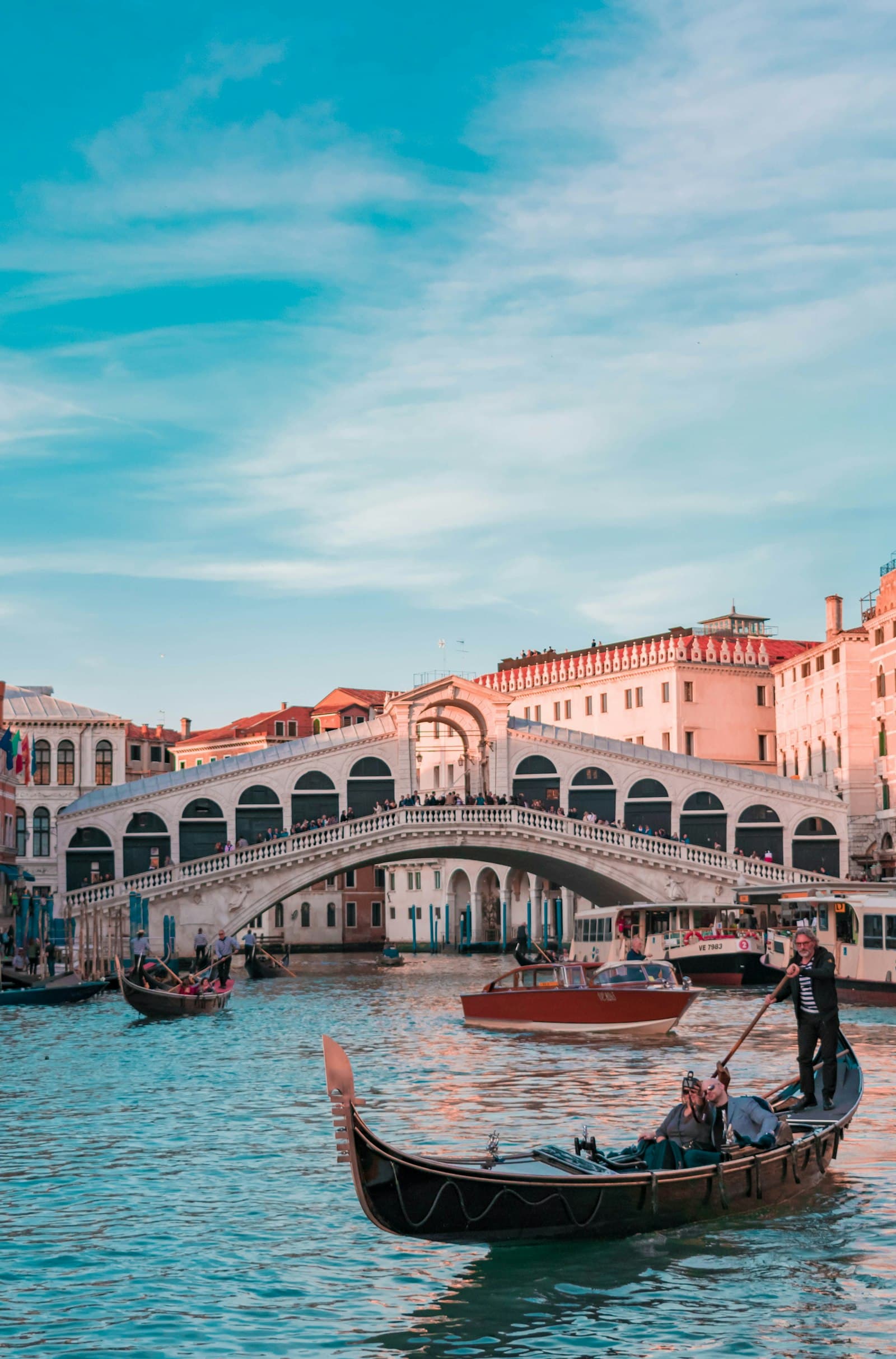
Cultural Festivals in Venice You’ve Never Heard of: Local Events, Historical Rituals, Neigbourhood Celebrations
A guide to Venice’s lesser-known cultural festivals, featuring local rituals, neighbourhood celebrations, and authentic community traditions beyond the tourist trail.
Venice is often celebrated for its internationally recognized festivals: the splendor of Carnival, the solemnity of the Festa della Salute, and the pageantry of the Regata Storica.
Yet, beneath these internationally propagated spectacles lies a quieter, richer world of neighborhood rituals, parish celebrations, and lagoon-island traditions that few tourists ever see. These hyper-local festivals expose Venice as a living community, not just a museum city.
They illuminate centuries-old customs preserved by residents, rowing clubs, island farmers, parish groups, and artisans who continue rituals that predate mass tourism by hundreds of years.
This article is all about those lesser-known cultural events—festivals barely advertised beyond local posters, parish bulletins, and word of mouth. It captures reasons why they matter, ways guests can respectfully take part, and why they are an important expression of Venice's real cultural identity.
Unlike the big events focused around St. Mark's Square, these festivals happen in quiet squares, on outlying lagoon islands, in parish courtyards, and down narrow canals where everyday Venetian life unfolds.
By getting off the beaten paths and indulging in these deeply rooted traditions, travellers find a more intimate Venice, shaped by seasonal rhythms, maritime identity, and a community that finds its continuity in celebration.
Unmissable Venice Tours
The Role of Local & Historical Rituals in Venetian Culture
Community Celebrations: Their Origins in Venice
Smaller festivals in Venice began at the parish level through areas of a city with their church, guilds, brotherhoods, and traditions. Feasts celebrated saints, harvests, miracles, and civic victories. Traditionally, the life of the Venetian was focused around their parishes and the islands in the lagoon, so celebrations were natural extensions of religious and social networks.
Seasonal rituals also expressed the particular environment of the lagoon. Fishermen marked openings of the fishing season; agricultural islands such as Sant'Erasmo honored the rhythms of planting and harvest; while boat parades celebrated Venice's maritime identity. Many events included communal meals, rowing competitions, processions, and open-air music in the local campo.
These festivals have not been devised for tourists: they have grown through centuries of local life, combined with the lagoon, the church calendar, and the traditions of labouring communities.
Why these festivals are lesser-known
These events stay relatively hidden because they're deeply local. They're not created with marketing budgets or tourist agendas. Announcements often appear only on paper flyers affixed to church doors or in neighbourhood bars. Many occur in areas where few tourists wander—Castello's backstreets, Pellestrina's fishing villages, the vegetable fields of Sant'Erasmo, the quiet campi of Cannaregio.
Moreover, many festivals coincide with local milestones-the start of the rowing season, the blessing of crops, the anniversary of a parish's founding, or a guild's procession.
The former have deep resonance with residents but are unknown to outsiders. Their modesty-handmade decorations, communal cooking, neighborhood choirs-is a far cry from the Grand Spectacle that visitors expect.
Approaching these Events with Respect
The visitors are meant to approach such celebrations as welcomed observers, not as tourists. Such respectful participation would involve.
Arrive early and stay at the edges of processions.
Avoiding flashes and intrusive photography
Dress modestly when attending religious services.
Buying a drink or snack from local vendors
Learning simple Italian greetings to address others politely.
Listen, instead of interrupting
More than anything, one should remember these events are for Venetians. Participation in them is a privilege, not a right.
Selected Less Well-Known Festivals & Celebrations in Venice
Su e Zo per i Ponti - Walk the Bridges Festival
Less well-known but one of Venice's most beloved events is Su e Zo per i Ponti-"Up and Down the Bridges." This annual charity walk takes individuals across dozens of the city's bridges, exposing them to whole neighbourhoods they would otherwise miss. It includes music, activities together, and a festive spirit unlike any guided tour.
This is important because it manages to link Venice by shared movement. Families, schools, rowing clubs, and parish groups join together for the City's pedestrian heritage. Visitors may participate by selecting shorter routes and arriving early to avoid congestion. Comfortable walking shoes are a necessity.
Neighbourhood Parish Feasts & Island Celebrations
Each Venetian parish feast is a small festival that reveals the heart of the identity of each area. Some stand out for their richness of culture:
Feast of St. John in Bragora (Castello)
This festival takes place around the church of San Giovanni in Bragora, with traditional games, puppet shows, choir singing, and stalls selling food. In the evening, concerts and meetings take place in the parish square. It is one of Venice’s most authentic community festivals.
Feast of the Violet Artichoke on Sant'Erasmo
Known as the "vegetable garden of Venice," Sant'Erasmo celebrates its prized artichoke with food stalls, parades, and tastings. Events pay homage to agricultural traditions dating back centuries and offer insight into the lagoon's rural life.
Ritual of Madonna della Salute Bridge
While the Feast of the Madonna della Salute is quite well-known, the less-discussed ritual every November is that of the temporary bridge laid across the Grand Canal. Deeply culturally symbolic, in fact, is the laying of floating platforms; it is a collective journey of thanksgiving.
Historical and Boat-Related Rituals
Regata Storica (Historic Regatta): This iconic event holds historic boat parades and competitive races with the aim of preserving traditional Venice rowing. The cultural depth of this, ingrained in centuries of maritime prestige, often goes unnoticed by casual visitors.
Vogalonga: Vogalonga is a non-competitive rowing event of about 30 kilometres, in which thousands of rowers protest the damage caused by motorboats. It celebrates slow transport, healthy movement, and care for the environment.
All Souls’ Day Pilgrimage to San Michele: Each November, the Venetians silently cross to the island cemetery to honor loved ones. It is a simple and deeply affecting ritual: candle-lit offerings, silent processions, and a collective remembrance.
Island-Specific & Neighbourhood Mini-Festivals
Smaller events take place across the lagoon and islands throughout the year:
Fishing festivals in Pellestrina celebrating the island's maritime labour
Sailing regattas in Malamocco
Village religious feasts in the Chioggia hinterland
Local music nights in Canaregio’s campi during summer
Agricultural fairs on San Pietro in Castello
These events are informal, spontaneous, and rarely advertised-but they offer a rare look into daily life.
How to Plan & Participate in These Festivals
Calendar & Timing
Most local festivals occur from late spring through early autumn when outdoor gatherings are most comfortable. For exact dates, visitors will need to refer to parish calendars, community boards, or local café owners. Online international listings seldom cover such events.
Where to Stay & How to Arrive
Travelers seeking more genuine experiences should consider staying in the residential sestieri of Castello, Cannaregio, or Dorsoduro. Those interested in island festivals may find it interesting to stay on Sant'Erasmo, Pellestrina, or Murano.
For arrival:
Take an early vaporetto to island festivals
Use walking routes to neighbourhood feasts
Expect late-night vaporetto rides home.
What to Expect & What to Bring
And visits may find community-run food stalls, impromptu music, local crafts, and open-air performances. Some have religious elements; others celebrate food or rowing.
Items to bring include:
Comfortable shoes
Modest dress for church processions
Small cash donations
A refillable water bottle
A phrasebook or translation app (used discreetly)
How to Behave Respectfully
Respect is key when one attends local events.
Stand aside during processions
Avoid blocking children's games or family gathering areas.
Avoid too much photography.
Support local vendors
Leave no litter behind.
Through such etiquette, these traditions can hold meaning for locals.
Best Venice Passes
Merits in Attending Less Known Festivals
Closer to the Life of Venice
These festivals immerse travelers in real Venetian culture, rather than contrived tourist experiences. They are a window into lifestyles shaped by the community, by tradition, and by the environment of the lagoon.
Less Crowded, More Relaxed Atmosphere
Visitors who attend local events often like to find quiet settings, casual encounters, and slower rhythms-all far removed from those of Venice's most-visited areas.
Supporting Local Culture & Economy
Buying from local vendors and parish donations directly fund the community and go toward maintaining the cultural heritage of Venice.
Inspiration for Return Visits
The experiencing of true festivals is bound to entice travelers into returning for more cultural involvement, exploring new neighborhoods and islands each time.
Visitor Information & Ticket Information
Visitor Information
Opening Hours: Most neighborhood festivals and island celebrations in Venice start in the early evening—roughly around 17:00 to 18:00, with food stalls, music and processions running through to late night, 22:00 or later.
Daytime events, such as markets or agricultural fairs often start any time between 10:00 and 15:00, allowing ample opportunity for morning arrival and leisurely participation.
Best Time to Visit: The best times to experience these smaller festivals are from late spring to autumn, May to October, when the outdoor rituals, island gatherings and neighbourhood celebrations are at their height.
The early evening arrival allows for entry before the crowds and offers the visitor the beauty of the setting sun over the lagoon or canal. For island feasts or parish events, weekdays can be less touristy and more local in tone and participation.
Dress Code and Entry Rules: Dress smart-casual - comfortable walking shoes can be a good idea, as surfaces around canals or on piers can be uneven. The religious processions or folk rites so often held at churches call for more modest attire: shoulders covered, no hats inside.
Entrance into most festa neighborhoods is free, though food stalls and parades or boat processions may require small participation fees or donations. Some island-based festivals need a vaporetto or ferry ticket to get to them - this needs to be validated as part of your entry.
Ticket Information
Most of the minor festivals do not require tickets in advance, as admission to the public areas is free. However, in the event of a boat parade or some official altar ceremony included, very nominal ticketing or donation wristband requirements may be in place. For example, some of the processions that happen across the lagoon may involve a very small fee towards renting boats or floating platforms. It would be best to ask about any recommendations for entry at the local parish offices or hotel receptions.
Online Booking: While many events operate on a walk-in basis, it doesn't hurt to check online or through official parish/festival websites to confirm dates, times, and special features like boat racing, food fairs, or the music lineup. Some events release schedules as much as a week in advance; others still rely on local posters in bars or church foyers. Digital alerts or local tourism forums may help plan attendance.
Guided Tours: For visitors who would like to get more depth, local guides or small-group walking tours may include such community festivals in their schedule. These may include audio commentary on the ritual's origins, food tastings, or behind-the-scenes access to regatta boats or parish squares. Book a guided tour to make sure you are aware of start times, boat transfers, and protocols for respectful behavior.
Our Recommended Tickets
Exclusive Custom Boat Tour to Murano, Burano & Torcello
Unforgettable Classic Venice Photography Portrait Session
Interpreti Veneziani Concert & Visit To The Music Museum
Sample Itinerary: A Festival-Focused Day in Venice
Morning: Begin your day with a vaporetto ride to a quiet island that hosts local events. Stroll the parish square, explore fresh market stalls, and sample local snacks. If scheduled, observe morning processions or rowing demonstrations.
Midday: Lunch will be prepared using products of the festival specials, such as Sant'Erasmo artichokes or freshly fished lagoon fish. In the middle of the day, take part in a workshop or demonstration related to the festival, whether agricultural, cultural, or maritime.
Afternoon: Observe churches and artisan studios, or small museums in the neighbourhood. Sit in a campo that bounds a canal and watch decorations and rehearsals, or preparations for evening festivities.
Evening: Return to the festival meeting site for live music, dinners out in the open air, and community revelry. Dance, sing, or simply observe in silence. Conclude the evening with a vaporetto ride back, reflecting on the authenticity of the experience.
Best Venice Entry Tickets
Conclusion
Venice's festival calendar stretches far beyond this rightfully famous highlight. There are rituals tucked away in piazzas, island villages, and parish courtyards that keep the city's cultural heartbeat alive. These lesser-known festivals invite the traveller into Venice as a living community sculpted by centuries-old custom, its maritime identity, and local resilience.
By participating in these events, visitors engage themselves in cultural exchange: they support the local community, experience authentic traditions, and therefore foster a deeper relationship with the spirit of the city.
These smaller festivals are rare moments of humanity, heritage, and shared celebration in a city so often overwhelmed by tourism-perhaps reminding the travellers where Venice's soul resides, mainly in the most intimate gatherings.