Vegetables (From the Islands)
Discover the rich tradition of Venetian island vegetables, especially from Sant’Erasmo. Learn why the lagoon’s soil creates exceptional produce and where visitors can taste these seasonal specialties.
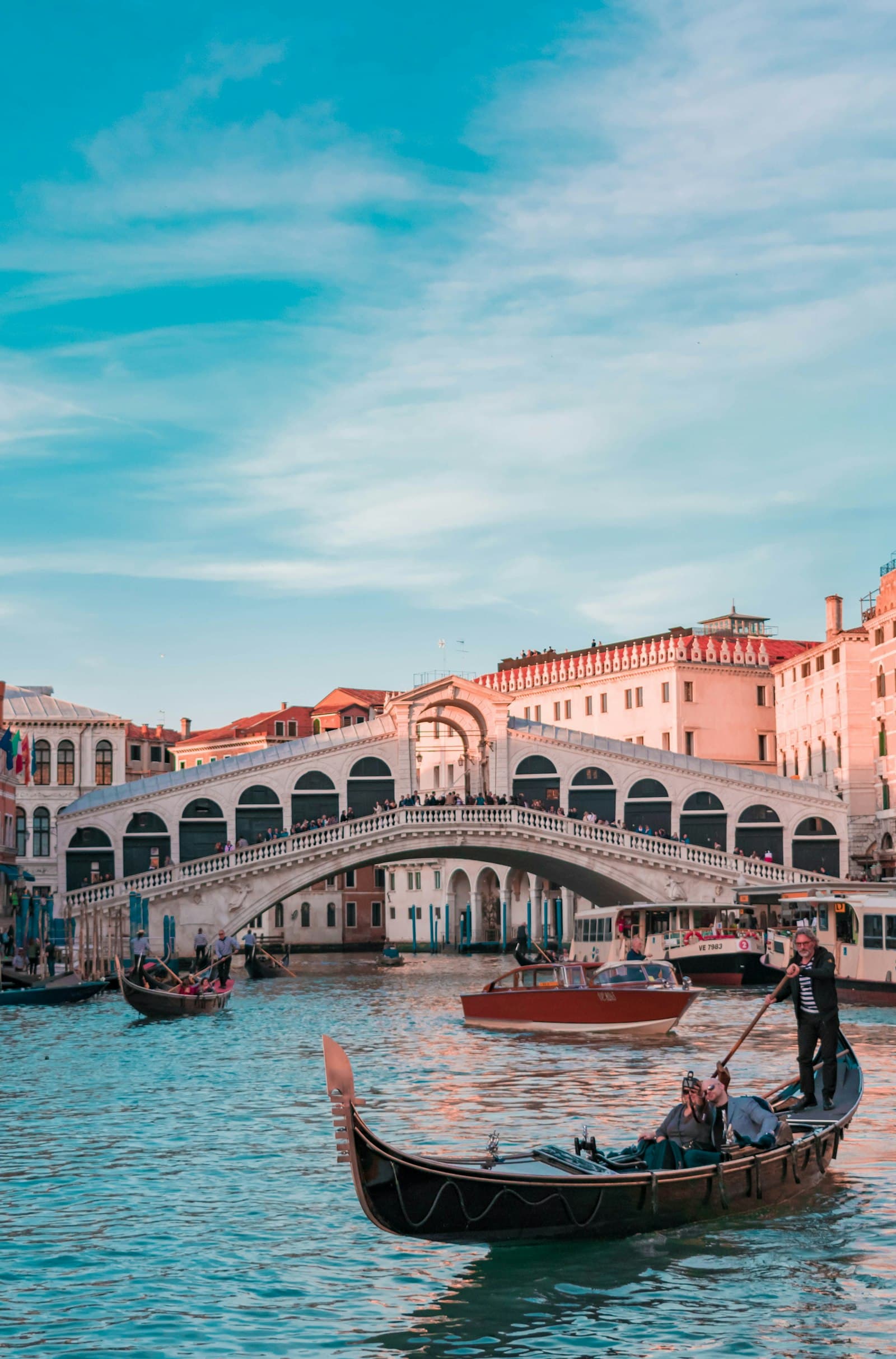
At dawn, when the lagoon is still wrapped in a soft veil of mist, small wooden boats glide across the water toward Venice. Their hulls sit low, heavy with crates of freshly harvested vegetables—earthy purple artichokes, pale white asparagus, bright greens still carrying droplets of morning dew. These boats travel the ancient routes between the city and the farming islands that have fed it for centuries.
Their cargo, arriving at places such as the Rialto Market and the Pescheria, represents one of the quietest yet most essential aspects of Venetian life: island-grown produce cultivated in the heart of the lagoon.
Among the many islands that surround the historic centre, Sant’Erasmo stands as the green soul of the Venetian Lagoon, a place where fertile soil, maritime breezes and generations of agricultural knowledge converge. Alongside neighbouring islands such as Vignole, Mazzorbo and even the garden plots of Giudecca, these cultivated landscapes have supplied Venice with exceptional vegetables for centuries.
This article explores the agricultural story of these islands—their origins, their remarkable produce, and the culinary traditions that rely so heavily on their harvests. From the celebrated castraure artichokes to the delicate white asparagus, lagoon-grown vegetables continue to shape the identity of Venetian cuisine in ways that visiting travellers rarely imagine.
Experience Venice with a Dedicated Personal Concierge
The Islands Which Feed Venice — Synopsis of the Agriculture of Lagoon
The lagoon surrounding Venice is not just an expanse of water and mudflats; it is a thriving ecological system shaped by centuries of interaction between humans and nature. Vegetable farming thrives here for several reasons: the soil is rich in minerals thanks to continuous sediment deposits; the salty breezes protect crops from pests; and the mild, humid microclimate nurtures slow, flavourful growth. This combination produces vegetables with a depth and sweetness rarely found elsewhere.
The lagoon agriculture consists of a core formed by three islands:
Sant'Erasmo
Known historically as the “vegetable garden of Venice,” Sant’Erasmo has supplied the city’s markets—from the Rialto Market and the Pescheria to neighbourhood stalls in Cannaregio Venice or Dorsoduro Venezia—since medieval times. Vast open fields stretch across the island, creating a landscape unlike any other in the lagoon.
Vignole
Smaller and quieter, Vignole is dotted with orchards, family gardens and greenhouses. Venetians have long travelled here by boat for weekend picnics or to tend to private allotments.
Mazzorbo
Bordering Burano Island Venice, Mazzorbo blends agriculture with viticulture. Here, vines grow alongside vegetable patches, supplying local restaurants and historic estates with seasonal produce.
These islands contrast sharply with the dense streets of San Marco Venice, San Polo Venice, or Santa Croce Venice, reminding visitors that Venice’s identity has always been tied to both water and the land that rises from it.
Sant'Erasmo — The Green Soul of the Lagoon
Among all agricultural islands, Sant’Erasmo holds a special place in Venetian history. First cultivated in the Middle Ages, it became the city’s primary source of vegetables thanks to its expansive fields and unusually fertile soil.
The island’s sandy composition ensures excellent drainage, while freshwater wells—an unexpected resource in the lagoon—provide essential irrigation.
Long hours of sunlight, combined with the island’s exposure to sea breezes, promote slow, even ripening of crops.
For generations, families on Sant’Erasmo have tended to vegetables destined for Venetian households, osterie and historic restaurants near St Mark's Square, Zattere, or the culinary hubs around The Grand Canal.
Boats laden with produce would leave the island in the early morning and reach the markets before the city awoke. Even today, the tradition continues: local farmers remain proud custodians of rustic agricultural methods that value quality over quantity.
Sant’Erasmo’s identity is inseparable from its vegetables, and nowhere is this more evident than in its most prized seasonal treasure—the castraure.
Signatory Vegetables Venetian Island
Castraure — The Purple Artichokes of Sant'Erasmo
The castraure are perhaps the most iconic vegetable of Sant’Erasmo. These small, tender, purple artichokes appear in early spring and are harvested entirely by hand. Their leaves are soft, their centres exceptionally sweet, and their colour—a deep violet—makes them instantly recognisable at the Rialto Market and the Pescheria or at gourmet restaurants from Impronta to Osteria alle Testiere.
The first artichoke harvested from each plant is the castraura, prized for its tenderness. Later harvests include:
Botoli – slightly bigger, for cooking
Maste – artichokes à la hardy used in braises and preserves
These artichokes are the pride of island farmers and the ingredient that chefs eagerly await as winter ends.
Radicchio di Treviso
Although grown more extensively on the mainland of Veneto, radicchio di Treviso has long been a staple of Venetian cuisine. Its elongated leaves, deep ruby colour and crisp texture bring both balance and elegance to many dishes. Slightly bitter when raw and mellow when cooked, radicchio finds its way into risotti, grilled sides and cicchetti across the city.
Sant'Erasmo White Asparagus
White asparagus, cultivated in the mineral-rich sandy beds of Sant’Erasmo, emerges in late spring. Because it is grown underground and protected from sunlight, its stalks remain pale and silky. The flavour is mild, almost buttery, making it a delicacy featured in seasonal menus at eateries from Osteria Fanal Del Codega to trattorie near Santa Lucia Station.
Lagoon Tomatoes, Eggplants & Zucchini
Vegetables grown in slightly saline soil develop unusually rich flavours. Tomatoes become sweeter, eggplants creamier and zucchini more aromatic. Families throughout Venice—from homes in Castello Venice to kitchens overlooking The Grand Canal—rely on these summer vegetables for simple, satisfying dishes.
Seasonal Greens & Herbs
Chicories, wild herbs and lagoon grown leafy vegetables—such as catalogna, agretti, and wild spinach—play an essential role in Venetian soups, sautés and cicchetti. Their bitterness or minerality echoes the lagoon’s natural flavour profile, connecting the plate directly to the environment.
Growing Conditions: What's So Special About Lagoon Vegetatives?
Vegetables grown on the lagoon islands possess qualities shaped by environmental factors unique to this region:
Saline Influence
The light salinity found in island soil naturally enhances sweetness and depth of flavour. Unlike heavily fertilised mainland crops, lagoon vegetables rely on the soil’s natural composition.
Sea Breeze
Constant ventilation reduces crop diseases, enabling farmers to limit pesticide use and practise low-impact agriculture.
Mineral-Rich Soil
Centuries of river deposits have created layers of nutrient-dense earth. These minerals contribute directly to the distinctive taste of island-grown vegetables.
Traditional Approaches
Local farmers cultivate their fields using techniques passed down for generations. Planting cycles, irrigation methods and harvesting practices remain intimately tied to the rhythms of the lagoon.
Biodiversity
The lagoon’s complex ecosystem encourages organic-style growing methods. The result is produce that is both environmentally sustainable and gastronomically exceptional.
The Use of Island Vegetation in Venetian Cuisine: Traditional Uses
In local Osterie
In traditional osterie—from small taverns in Cannaregio Venice to celebrated dining rooms near San Marco Venice—island vegetables form the backbone of seasonal menus. Artichokes are served raw with lemon and oil, marinated, or folded into warm cicchetti. Radicchio appears in creamy risotti, grilled alongside meats, or paired with seafood. Even humble tomatoes and zucchini find refined expression in Venetian kitchens.
Cooking at home
Venetian home cooking greatly values simplicity. Common dishes include:
Soups with mixed greens
Frittate of seasonal herbs
Stewed vegetables “in tecia,” a slow-cooking technique using onion, olive oil and the vegetable’s own moisture
Quick Sauté's - served w/ fresh bread
Families living in Dorsoduro Venezia, Santa Croce Venice or San Polo Venice often build meals around what arrives that day from the islands.
During Seasonal Festivals
The arrival of the first castraure marks spring. Summer brings tomatoes, eggplants and basil. Autumn celebrates radicchio, while winter features hardy greens. These rhythms shape the Venetian table as deeply as the tides shape the lagoon.
Best Venice Gondola Rides
Rialto Market: The Distribution Heart of Venice Since Ancient Times
No discussion of lagoon vegetables is complete without mentioning the Rialto Market and the Pescheria—the beating heart of Venice’s food culture. For centuries, this market has served as the meeting point between island farmers, fishermen and city cooks. Its proximity to The Grand Canal allows boats to unload vegetables at dawn, ensuring unmatched freshness.
Chefs from renowned establishments near St Mark's Square, Harry’s Bar Venice, Caffè Florian Venice and trattorie across San Polo Venice rely on this market for the finest island produce. The exchange of goods here reflects a tradition that has endured through wars, floods, pandemics and modern tourism.
Sustainability & Tradition — Farming in the Lagoon Today
Farming on the lagoon islands faces modern challenges. Rising waters, unpredictable weather and a shrinking farming population complicate the future of agriculture. Yet farmers remain deeply committed to preserving their way of life.
They use raised beds to protect crops from high tides, adopt crop rotation to enrich soil naturally, and build protective structures to shelter fragile vegetables.
Increasing demand for local, sustainable produce from restaurants such as Osteria alle Testiere, Antiche Carampane or Ca Dolfin has renewed appreciation for these farming traditions.
At the cultural level, supporting island-grown vegetables means preserving an agricultural legacy unique not only to Venice but to the entire world.
Visiting the Islands: How Travellers Can Explore Venetian Agriculture
Travellers who wish to discover the agricultural heart of Venice can explore several islands easily accessible by vaporetto or private boat.
Sant'Erasmo
The island is ideal for a peaceful escape from the busy streets near St Mark's Basilica or Ponte di Rialto. Visitors can bike along quiet roads, observe artichoke fields and purchase seasonal produce from family-run farms. Its tranquillity attracts those seeking an authentic glimpse into lagoon life.
Vignole
Known for its orchards, weekday farming bustle and rustic landscapes, Vignole is a favourite among Venetians for weekend retreats. Its modest church and quiet paths offer a serene counterpoint to the city’s grand monuments like San Giorgio Maggiore or Santa Maria Della Salute.
Mazzorbo & Torcello
These islands combine heritage with agriculture. Mazzorbo features vineyards and garden restaurants, while nearby Torcello—with landmarks like Santa Maria Assunta di Torcello—provides visitors with a deep sense of Venetian history. Together, they create a perfect setting to enjoy fresh vegetables in scenic surroundings.
Buying Vegetables in the Lagoon
Consumers should look for the following to fully enjoy lagoon products:
Excess of colour, crunchy textures
Leaves that are moist and not wilted
Stems with minimum handling
Vegetables that had been picked that morning, fresh from the field.
The seasonal highlights are:
Early spring: Castraure
Summer: Tomatoes, zucchini, peppers
Autumn: Radicchio and Chicories
Winter: vegetables of roots, hardy greens At markets from Rialto Market and the Pescheria to smaller stalls in Castello Venice, island vegetables are unmistakably fresher than supermarket imports.
Visitor Information & Ticket Information
Visitor Information
Operating Hours: Because Sant’Erasmo and the surrounding agricultural islands are living, open landscapes rather than formal attractions, there are no fixed opening hours. Visitors may explore the island’s lanes, fields and waterfronts freely throughout the day. What follows a schedule, though, is the life of the fields:
Early morning is when farmers harvest vegetables destined for Venetian kitchens and markets. Midday to afternoon is when the island is most peaceful, with long light over the orchards and gardens.
Seasonal farm stands appear when produce is abundant, especially during artichoke and asparagus season. This flexible rhythm mirrors what the Caffè Florian article describes as the “calm agricultural heartbeat” of Sant’Erasmo — an island defined by land, light and tides rather than clocks.
Best Time to Visit: It is most rewarding in combination with the agricultural cycle of the island.
April–May: The celebrated Sant’Erasmo violet artichokes (castraure) begin their short harvest, making this the island’s most iconic season.
Late spring–early summer: Rows of asparagus, tender zucchini and vibrant greens reach their peak.
Mid–late summer: Tomatoes, eggplants and herbs fill small farm stands and appear across Venetian osterie.
Autumn: The island quiets but remains beautiful, with soft light over the vineyards and vegetable gardens. Because TasteAtlas and Ristorante Local both emphasise the strong connection between seasonality and flavour, visiting during peak harvest is the most authentic way to experience lagoon produce.
Dress Code and Entry Rules: There are no dress codes on Sant’Erasmo or the vegetable islands. However, the experience is entirely outdoors and agricultural, so visitors are advised to: Wear comfortable shoes, suitable for country paths and soft ground.
Dress according to season: in summer, wear light clothes, while putting on more in spring and autumn. Bring sun protection, particularly for extended walks or biking. Respect farmland boundaries. Fields are private even if they appear open. Venetian island agriculture relies on respect for land and tradition.
Staying on marked paths and avoiding touching crops preserves the fragile balance that local farmers maintain.
Ticket Information
There are no tickets required to visit Sant’Erasmo, Vignole, or the vegetable gardens referenced in the Bertazzoni article. The only cost involved is transport, typically a public boat ride from Venice to the island.
However, the real, meaningful “admission” to these islands is seasonal: one enters by curiosity, patience and appreciation for genuine rural life within the lagoon.
This mirrors the “green soul” described in the Caffè Florian guide — where agriculture is not a spectacle but a way of living.
Online Booking: Because visiting the agricultural islands does not involve structured venues, online booking is generally unnecessary. The only exceptions may be: Booking a boat transfer, if using a private operator.
Reserving a table at a restaurant in Venice that features farm-to-table menus inspired by lagoon produce. Booking a seasonal tasting or farm visit if a specific farm opens its doors during festivals or special events (these are occasional and announced locally).
Otherwise, exploring these islands remains one of Venice’s most accessible spontaneous experiences.
Guided Tours: While there are no official, fixed agricultural tours described in the linked sources, a few styles of visits exist: Food-focused lagoon excursions: Small-group journeys led by chefs or food specialists who highlight Sant’Erasmo vegetables in relation to Venice’s culinary landscape.
Cycling or walking explorations: Independent visits where travellers follow the island’s quiet country roads, observing artichoke fields, orchards and vegetable gardens. Seasonal workshops or tastings: Occasionally, during artichoke season or harvest periods, local farms collaborate with Venetian restaurants to offer tastings or educational walks.
These experiences reflect what Ristorante Local emphasises: that Venetian cuisine begins in the soil. A guided visit helps travellers understand how produce travels from field to lagoon and from lagoon to plate.
Our Recommended Tickets
Charming Gondola Ride on the Grand Canal & Gondola Gallery
Traditional Bragozzo Boat Tour to Murano, Burano & Torcello
Walking Tour of Venice from St. Mark's Square to Rialto
Venetian Island Vegetables: How to Cook Them — Practical Hints
Lagoon vegetables shine when preparations remain simple. Key recommendations include: Dress raw castraure with olive oil, lemon, and mint. Radicchio is utilized in both hot preparations-grilled or stewed-and cold in salads.
Raw summer tomatoes retain all their sweetness in pasta or even bruschetta.
Combine herbs and wild greens in soups to recreate rustic Venetian flavors. Cook vegetables "in tecia" to bring out the natural juices. These methods honour the integrity of the vegetables and reflect long-standing Venetian culinary principles.
Best Venice Tours and Tickets
Conclusion: The Green Silent Legacy of Venice
Behind the monumental beauty of St Mark's Square, The Grand Canal, and the palaces of San Marco Venice, lies a quieter but equally enduring legacy—the agricultural islands that have nourished Venice for centuries.
The vegetables grown on Sant’Erasmo, Vignole and Mazzorbo are more than ingredients; they embody the lagoon’s ecology, the resilience of its farmers and the deep relationship between the city and its surrounding waters.
Travellers who taste these vegetables—whether in local osterie, at the Rialto Market and the Pescheria, or directly on the islands—experience a piece of Venice that predates the grandeur of its churches and the splendour of its festivals.
A basket of castraure resting on a boat crossing the lagoon symbolises this intimate history: a simple, beautiful reminder that Venice’s food heritage is rooted not only in the sea but also in the quiet strength of its green islands.