The Venetian Lagoon Ecosystem: Birds, Tides, Acqua Alta—an Eco-Tourist’s Guide
A guide to the Venetian lagoon’s fragile ecosystem, exploring its birds, tides and acqua alta while offering practical, responsible tips for eco-minded travellers.
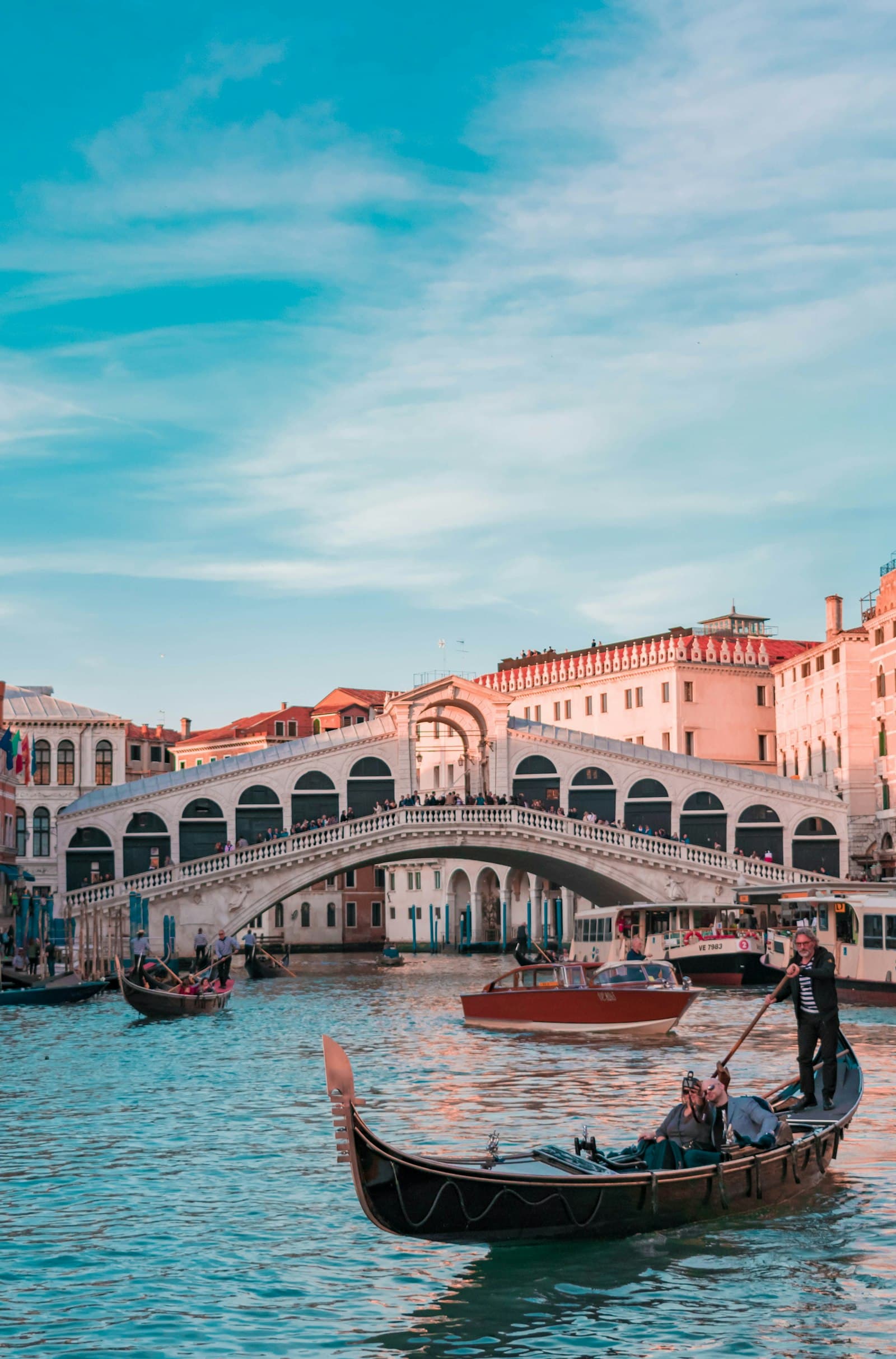
The Venetian Lagoon is one of the most remarkable and fragile natural environments in Europe. Famous throughout the world for the splendor of San Marco Venice, the majestic curve of the Grand Canal, and the islands of Murano, Burano Island Venice, and Torcello, the lagoon is infinitely more than a scenic background to the cultural treasures of Venice: it is a living, breathing ecosystem shaped by salt marshes, tidal rhythms, migratory birds, wind patterns, and complex waterways that have protected and nourished Venice for over a thousand years.
Beneath the surface beauty, there is a network of mudflats, sandbars, seagrass meadows, marshy "barene", and deep navigation channels, all relevant in their own right for the maintenance of biodiversity in the lagoon. The tides cut and reshape its shores daily, while the seasons regulate the presence of herons, cormorants, terns, and many other species dependent on the lagoon feeding grounds. At the same time, Venice's famous acqua alta events remind the city's residents and tourists alike of the dynamic relationship between land and sea.
The guide will offer the ecotourist an in-depth knowledge of the lagoon structure, its wildlife, tide cycles, challenges of sustainability, and practical insights into responsible exploration. The aim is to encourage travellers to view the lagoon not just as a scenic environment or an extension of The Venetian Lagoon itineraries, but rather as a delicate ecological system that deserves respect, care, and considered engagement.
Experience Venice with a Dedicated Personal Concierge
The Structure of the Venetian Lagoon
Origin of the lagoon
The Venetian Lagoon is the product of thousands of years of interaction among river sediments, sea currents, and naturally formed sandy barriers along the coastline of the Adriatic. As time went on, the shifting rivers deposited material to form shallow basins; the sea shaped the sandbars and barrier islands-such as the Venetian Lido-that protected the interior lagoon from direct wave action.
Today, the lagoon is semi-enclosed; it is protected by long barrier islands, yet fully connected to the Adriatic via three major inlets. This unique configuration allows tidal flow to enter and exit twice each day, maintaining delicate salinity, temperature, and nutrient mixing necessary for wildlife survival.
Main components of the lagoon
The structure of the lagoon consists of several main natural components:
Mudflats (velme): Low tide exposes a muddy surface or bottom area of sediment deposits, important in feeding many birds, such as herons and stilts.
Salt marshes (barene): These raised wetlands provide a habitat for the salt-tolerant plants and prevent erosion of the edges of the lagoons, with grassy surfaces offering sites for nesting and natural barriers to high water.
Channels - ghebi and canaloni: Navigation of boats, fish passage, nutrient exchange, and tidal exchange are all accommodated by these natural and human-made waterways.
Shallows and sandbanks: These areas shift with tidal variations and form the dynamic floor of the lagoon, determining water depth and habitat availability.
Why the lagoon matters
It plays the following indispensable roles in Venice's survival:
It acts as a natural barrier against storm surges.
It provides nursery habitats for fish and feeding zones for birds.
It facilitates agriculture, fisheries, and aquaculture on the Giudecca, San Francesco della Vigna, and other outlying rural lagoon areas.
It maintains cultural heritage, including traditional boatbuilding relating to the Arsenal of Venice.
Wildlife of the Lagoon: Birds & Beyond
Bird species commonly seen
The lagoon is a birdwatcher's paradise, particularly during migration periods. At low tide, mudflats provide an active feeding ground for waders and waterbirds:
Waders: Herons, egrets, sandpipers, and black-winged stilts catch fish and invertebrates in the exposed mud. The grey herons and little egrets are most commonly seen.
Seabirds: Cormorants dry their wings along navigation poles, while terns and gulls skim across shallow waters.
Migratory species:This lagoon is an important station for the resting and feeding of migratory birds between Africa, Asia, and northern Europe. Seasonal visitors include ducks, geese, and a variety of shorebirds.
Other fauna
Besides birds, the lagoon shelters a wide variety of species:
Mullet, sea bass, and gilthead bream first see the world in shallow waters.
Crabs, clams, and molluscs do well in the sediment layers.
Amphibians and insects occupy brackish-water environments, while the marshy edges are home to small mammals.
These species rely on the lagoon's stable salinity and tidal patterns in order to survive.
Flora of the lagoon
The vegetation that grows in the lagoon includes:
Halophytic plants - salt tolerant
These thrive in salt marshes and stabilize the soil.
Seagrass meadows
Essential for oxygenation, acting as nurseries for marine life.
Rare brackish-water plants
Found only in transitional zones where saltwater and freshwater mix.
Threats to wildlife
There are a number of challenges with wildlife, including but not limited to the following:
Habitat loss resulting from erosion and subsidence.
Increased boat traffic causing wake damage.
Pollution, waste, and occasional disturbance by visitors.
Climate-driven changes in water temperature and tide patterns
These threats focus on the importance of sustainable tourism.
Tide Cycles and How They Shape the Lagoon
Understanding the tides
The lagoon experiences two tidal cycles per day because of:
The gravitational pull of the moon
Atmospheric pressure
Wind direction, especially scirocco and bora
Seasonal variations
As Britannica's analysis explains, Venice can experience a broad range in tides-particularly when low pressure and strong winds push seawater into the lagoon, emphasizing natural high tides.
Why tides matter ecologically
Tides are important
Exposing mudflats at low tide to allow birds to feed.
Nutrient replenishment in marshes at high tide
Maintaining the correct salinity for lagoon species
Flushing channels to prevent stagnation
Without tidal movement, the lagoon ecosystem would be destroyed.
Acqua Alta - the phenomenon
Acqua alta is a name given to very high waters that for a short time flood streets and squares of Venice, including St Mark's Square where during major events, elevated walkways often appear.
Causes
Astronomical tides
Storm surges caused by strong winds
Low atmospheric pressure
Acqua alta affects natural habitats, shifting water levels and impacts the nesting grounds. Besides the infrastructural protection systems, this is an indispensable phenomenon for the eco-tourist to comprehend while exploring the lagoon.
The Lagoon: In Exploration - Sustainably
Travelling responsibly by water
Ecotourists minimize their environmental impacts by:
Using public transport boats instead of private motorboats
Selection of slower vessels that minimize wake and erosion
Reduce unnecessary boat traffic in sensitive areas.
Visitors, whenever possible, should join electric-powered or low-impact tour boats.
Terrestrial exploration
Indeed, many parts of the lagoon are accessible by land:
Wooden boardwalks across salt marshes offer safe observation points.
Agricultural islands with cycling trails facilitate quiet, low-impact movement.
Be respectful of signage and do not cross into protected or private wetlands.
Such terrestrial exploration provides intimate experiences, leaving the wildlife undisturbed.
What to observe as an eco-tourist
Eco-tourists should watch for:
Birds feeding during low tide
Gradual changes in shape of mudflats as water is moved in and out.
Seasonal shifts in salt-marsh colours
Interaction of water, vegetation, and sediment
Morning and late afternoon offer the best light and wildlife activity.
Leave no trace principles
Visitors should always:
Take away all refuse
Avoid picking flora or approaching nesting birds
Keep the noise levels down.
Stick to established paths
These measures ensure that this vulnerable sanctuary is conserved for the future.
Best Venice Gondola Rides
Islands & Areas with Rich Ecological Interest
Outer lagoon marshlands
The edges of the northern and southern lagoons have vast marshlands, ideal for birdwatching. These areas show tidal changes very dramatically, giving a very vivid look into lagoon dynamics.
Agricultural islands
It includes islands like Sant'Erasmo and Vignole, which are typical of traditional farming and lagoon soil. Orchards and vineyards on these islands form a very vital part in the agricultural heritage of Venice.
Off-lying banks and shoals
Isolated shallows, accessible only through guided eco-tours, offer a chance for rare views into untouched lagoon habitats, perfectly suited to scientific or photographic exploration.
Lagoon edges near barrier islands
Along the Venetian Lido, lagoon flows meet the Adriatic Sea. Here, sediment transport and wave energy can be vividly observed. This would be ideal for geomorphological ecotourists.
Suggested Eco-Tourist Itineraries
Half-day schedule
It starts with early morning bird-watching;
Salt-marsh boardwalk exploration
Return before midday boat traffic intensifies
Full-day lagoon immersion
Morning public boat to a quiet island
Mid-morning walk through salt-marsh flora
Picnic with local produce
Sunset tide observation near sandbanks
Multi-day ecological exploration
Day 1: Bird habitats, marshlands, and tidal flats
Day 2: Sustainable agriculture and island communities
Day 3: Guided nature tour focused on acqua alta and climate resilience
Visitor Information & Ticket Information
Visitor Information
Opening Hours: Nature zones of the Venetian Lagoon are usually explored according to boat timetables and daylight, and not according to fixed opening times of attractions. In general, natural areas of mudflats, salt marshes, and shallow channels are freely accessible in daylight, while guided eco-tours or nature centre entrances can operate at defined hours-often from early morning until late afternoon.
Best Time to Visit: For the ecotourist, who wants to observe the ecosystem of the lagoon, the best times are early morning at low tide-to view the exposed mud-flats and feeding birds-and late afternoon in autumn and winter when events of Acqua Alta (high water) are more likely.
In autumn and winter, the evenings bring dramatic water levels and fewer crowds. For bird-watching, try to time your visit when the tide is going out or is just low to allow wading birds to forage.
Dress Code and Entry Rules: When visiting lagoon ecosystem zones: Wear comfortable, waterproof or quick‐dry footwear if you expect to board small boats or walk near marsh edges. Dress in layers--early mornings and fall visits can be surprisingly cool, especially with wind across open water.
Respect protected areas: avoid marked conservation areas, do not walk on mud-flats during sensitive species feeding times, and follow signs. Though general access is free, some visitor centres or guided nature walks may require appropriate dress (such as sturdy shoes) and observance of specific rules. Britannica reports that the channels and marshes of the lagoon demand careful management so as not to disrupt ecological balances.
Ticket Information
The access to a natural lagoon environment is largely open and non-ticketed. In the case of structured eco-tours, nature-centres, or guided boat experiences, some modest fee may be requested.
For example, listings mention the lagoon as a destination point for organized nature trips, and booking platforms highlight "best time" suggestions for visits.
Tour operators will often include boat transportation, guide fees, and sometimes entrance to the protected areas. [Note: exact ticket prices vary by operator and are not universally published.].
Online Booking: Advance booking is highly recommended for guided lagoon nature tours and small-group eco-boat trips, especially in low-season periods when the frequency of the service could be lower. Online booking will give full visibility of tide schedules, limits on group size, and will make sure your time slot coincides with low- or high-tide windows. The platforms advise early reservation for autumn/winter evenings to see acqua alta safely.
Guided Tours: Such guided tours give further value to eco-visitors through expert commentaries on marsh ecology, bird species, tidal dynamics, and the lagoon's role in protecting Venice.
As such, the article about the lagoon ecosystem highlights professional guidance during the visits to sensitive habitats. Opt for tours whose publicity specifies small group size, low-wake boats, and responsible routes that keep disturbance of wildlife to a minimum.
Our Recommended Tickets
Murano and Burano with Visit to the Glassworks and Lace Museum
Half Day Murano and Burano Island Tour by Private Boat
Venice : Private Boat Tour of the Venice Lagoon
How Tourists Can Help the Lagoon's Future
Supporting conservation and restoration
Travelers can: Take nature walks; engage in citizen-science monitoring Donate to organizations restoring marshlands Support wildlife protection initiatives.
Choosing Low-Impact Tourism Options
This includes: Small-group eco-tours Staying in environmentally certified accommodations.
Raising awareness
Sharing proper, respectful knowledge will help further protect the lagoon for future generations.
Best Venice Tours and Tickets
Conclusion
The Venetian Lagoon is a living, ever-changing environment whose tides, marshes, and wildlife are crucial to the survival of Venice. An understanding of its ecosystems enables the traveler to see beyond the postcard image and explore Venice's complex natural identity. Treating the lagoon not as a view, but as a valid ecosystem, evokes deeper respect and thoughtful investigation.
Eco-friendly tourism, informed observation, plus sustainable choices assure the continuation of this rare environment, preserving not only the beauty of Venice but also life which surrounds it.