Venice & The Film World: Movie-Locations, Historic Cinemas, the Venice Film Festival Behind the Scenes
For decades now, Venice has been regarded as one of the most cinematic cities on earth. Its canals, marble palaces, arching bridges, and quiet alleyways create a visual atmosphere that no film studio could ever replicate.
For nearly a century, directors, actors, and cinematographers have come here in search of a setting that somehow combines elegance and mystery, grandeur and decay, reality and dreamlike ambiguity.
This article covers Venice both as a film set and as the global capital of cinema. It examines the city's most iconic movie locations, its little-known historic cinemas, and the dynamic backstage world of the Venice Film Festival, the world's oldest international film festival. Interwoven, these different perspectives allow one to appreciate Venice not simply as a destination but as a living stage that continues to shape global storytelling.
Unmissable Venice Tours
Venice as a Cinematic City
Why Filmmakers Love Venice
The combination of light, water and ancient stone peculiar to Venice is irresistibly attractive to film directors. Sunlight reflected from the lagoon dances across façades, bridges and boats, lending even the most mundane street scene a theatrical air. The narrow calli, hidden courtyards and twisting canals make ideal settings for thrillers, romances, historical dramas and art films.
Venice combines a unique splendor with its fragility. Many films use the architectural contrast of marble palaces beside weathered brick walls, glittering basilicas next to dark side-canals, to evoke themes of beauty, secrecy, nostalgia, and transformation. These qualities give filmmakers visual and emotional depth that few cities can match.
Returning motifs in Venice-set films
Through decades of film, Venice has inspired recurring narrative motifs: the play of identity and masks rooted in centuries of carnival culture appears in psychological dramas and period films; directors return repeatedly to the notion of hidden worlds-mysterious doors, unlit passageways, and private palazzi suggesting stories behind the façade.
Water is another central theme. Its perpetual motion shapes narratives of change, instability, and revelation. Even in high-budget, contemporary films, it is the natural melancholy of Venice that manages to stand in contrast with glamour and provides a layered emotional palette impossible to create artificially.
Famous Movie Locations Across Venice
St. Mark's Square & the Doge's Palace
St. Mark's remains one of the most filmed public spaces in Europe. Directors use its grand arcades, monumental basilica, and symmetrical geometry to stage everything from romantic encounters to political dramas. With its Gothic windows and monumental courtyard, the Doge's Palace has similarly provided an instantly recognizable Venetian backdrop for historical epics and thrillers alike.
The Grand Canal & Rialto Bridge
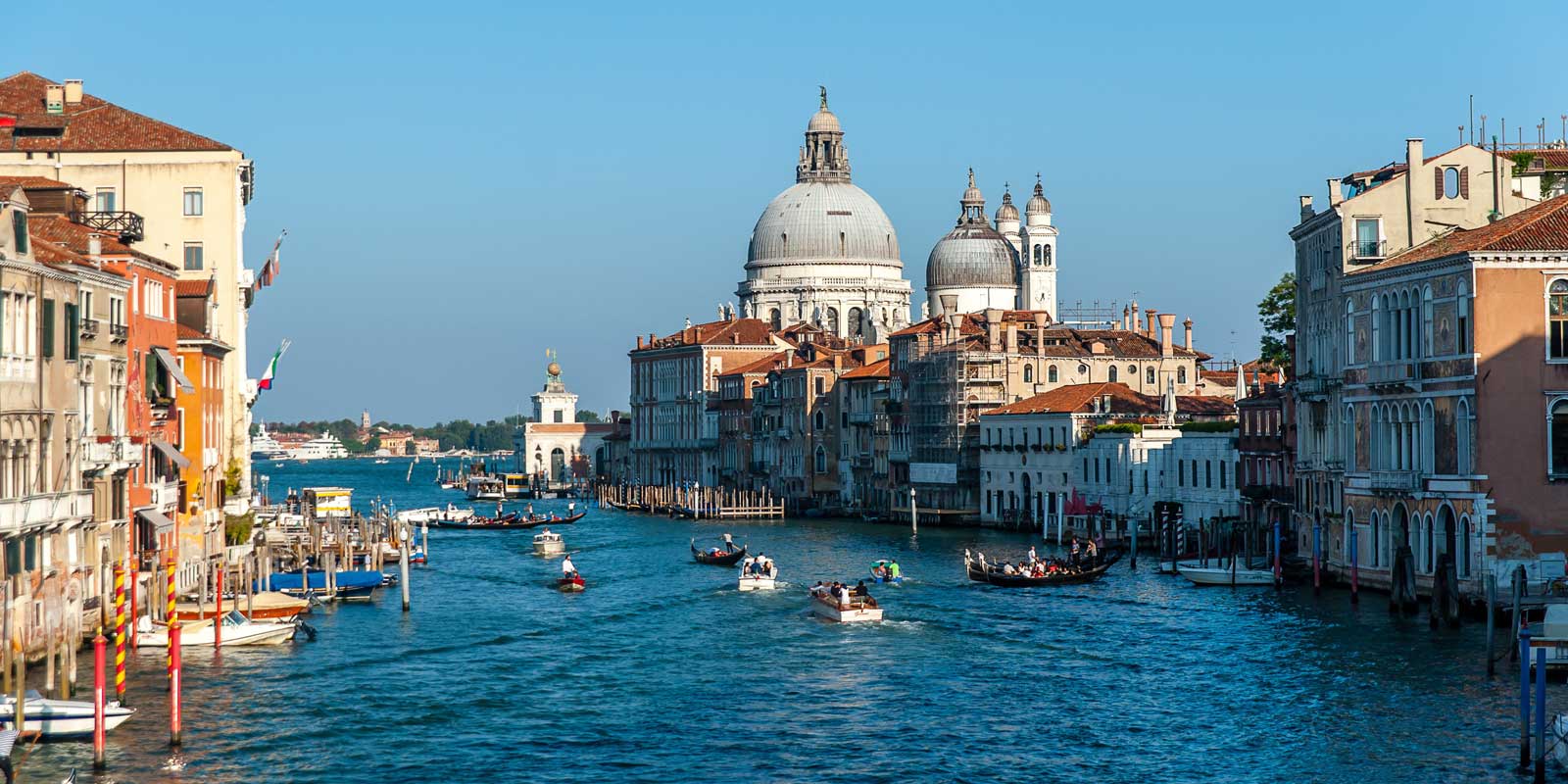
The Grand Canal is the cinematic highway to Venice. Many films open with a sweeping shot of a palazzo rising from the water or a gondola slipping through early morning light reflections. Probably the most iconic landmark in the city, the Rialto Bridge, has appeared in chase scenes, intimate conversations, and panoramic establishing shots.
Directors also use vaporetto stops and floating piers for dramatic sequences. Such places of everyday transport become visually compelling film sets through the natural framing in water, motion, and architecture provided by the city.
Dorsoduro & the Accademia Bridge
Dorsoduro's artistic district offers quieter filming environments, which are ideal for narrative introspection. The Accademia Bridge, with its timber structure opening up spectacular views of the Grand Canal, can be seen within films when characters reach a turning point or an emotional revelation occurs. The studios, churches, and quays of the neighborhood add to films dealing with Venice's creative and intellectual heritage.
Cannaregio & the Jewish Ghetto
The Cannaregio district, especially around the Jewish Ghetto, is often used to portray Venice's historical layers. Night scenes in these areas lean toward mood, shadow, and texture. The Cannaregio district was chosen because, when depicted without distractions, it carries an authentic atmosphere and understated beauty.
Lagoon Islands
Beyond the historic center, the islands of the lagoon also play major film roles.
Documentaries and romantic films alike feature Murano, with its glass furnaces and artisan workshops.
Burano, with its brightly colored houses, provides lively backgrounds for family tales and travel theme films.
The Lido combines beach scenes, 20th-century architecture, and glamorous seafront settings and is the home of the Venice Film Festival.
Historic Cinemas & Film Culture in the City
Classic cinemas in Venice
The historic movie theatres in Venice represent the cultural heart of this city. Arthouse films, festival retrospectives, and world cinema play here all year round.
In their architecture, one finds the long-standing relationship Venice has with the performing arts, offering scenarios full of nostalgia and aesthetic character.
Smaller independent cinemas
Independent cinemas keep the tradition of intimate film culture alive in Venice through neighborhood theatres that offer independent works, projects from local directors, foreign language films, and documentaries. Their programming caters to residents and visitors alike who are looking for an alternative to mainstream entertainment.
Outdoor screenings & cultural events
In the summer, Venice offers outdoor film nights in cloisters, courtyards, and on waterfronts. Cultural associations and foundations put together a program of screenings that transform ordinary squares into communal theaters.
Events of this kind epitomize the potential of Venice to combine film with place for one-of-a-kind experiences linked with the local identity.
Backstage at the Venice Film Festival
Origins & evolution
The Venice Film Festival was inaugurated in 1932, and it is the oldest international film festival in the world. It was designed to showcase Italy's cultural ambitions and grew into a global event, shaping taste and trends in both cinema and the industry.
Over the decades, it has premiered groundbreaking works, launched careers, and influenced the direction of European and international cinema.
What happens behind the scenes
There are red carpets and photo-calls that the public sees, but the festival's backstage world is way more complex.
Selection committees will review hundreds of submissions, curate the screening schedule, and develop programmes balancing innovation and tradition.
Backstage, technical teams get venues ready, do light and sound checks, and rehearse sequences for flawless premieres. Actors and directors alike make their rounds among interview rooms, press conferences, industry lounges, and photo sets. Backstage life is a combination of precision, creativity, and endless motion in ceaseless rhythm.
Life on the Lido during the festival
Every year, the Lido transforms into a buzzing centre of world cinema: the hotels fill up with actors, critics, and producers; the cafés are brimming with premiere discussions; and waterfront promenades turn into red-carpet areas.
Security zones guide festival traffic, press rooms accommodate journalists from dozens of countries, and large theatres host world premieres with attendees that include filmmakers and industry leaders. For two weeks, the Lido is a cinematic micro-city where art, culture, and celebrity intersect.
Awards & their significance
The Golden Lion, or the festival's top award, is among the most prestigious in world cinema. The prize can define a director's career and shape international film discourse.
The festival hands out prizes for Best Actor and Best Actress, Best Director, technical prizes, and special recognitions. A lot of Venice premieres later become major contenders during the global awards season.
Best Venice Passes
How to experience Venice through cinema
Self-guided movie-location walks
Movie fans can take a self-guided tour of Venice along routes that take in the essential filming locations. Go out early in the morning for crowd-free photography of St. Mark's Square, the Rialto, and the Grand Canal. Take a walk through Cannaregio or Dorsoduro into the less-famous corners of cinematic Venice, which retain authentic local character.
Visiting historic cinemas as part of a cultural itinerary
An afternoon screening in one of the town's historic cinemas could form part of the cultural programme, together with visits to archives or temporary exhibitions about the history of film in Venice. This would give a deeper understanding of Venice's role as a setting and storyteller.
How to attend the Venice Film Festival
Visitors can attend festival screenings by buying public tickets or festival passes. For very popular premieres, seating must be booked long in advance. Knowledge of queue etiquette, categories of seating, and times of entry will facilitate the experience. Staying on the Lido or near vaporetto connections makes for easier festival navigation.
Tips for Photography and Videography
It is also a favorite activity of film-themed travelers to reenact scenes from famous movies. Be respectful of the residents, and maintain decorum in places around religious or residential sites. Natural light, minimal equipment, and visiting locations at off-peak times create high-quality images while considering responsible tourism.
Visitor and Ticket Information
Visitor Information
Opening Hours: The Festival takes place every year on the island of Lido di Venezia and runs over a period of about 10-11 days towards the end of August and the beginning of September. Screenings normally begin in the afternoons and evenings at venues like the Palazzo del Cinema (Lungomare Marconi) and adjoining theatres.
On nonscreening days, the public areas, such as the promenade and red carpet zones, can be accessed during normal daylight/early evening hours, but the key focus is clearly on the scheduled screenings and events.
Best Time to Visit: The real festival, of course, officially runs during certain dates, usually late August to early September. By arriving just before the opening gala or staying through the awards evening, one can soak up the red-carpet atmosphere, celebrity arrivals, and unique blend of cinema and lagoon charm that typifies Venice.
For those wanting to avoid the crowds, daytime screenings and sessions in the first part of the afternoon are a great option, well in advance of the evening events.
Dress Code & Entry Rules: Formal attire is highly recommended at public screenings in the main venues, such as the Sala Grande, especially for gala events and evening premieres.
Daytime public sessions may require only smart-casual attire, but visitors should remember the status of the event and dress appropriately when attending either the red-carpet zone or VIP areas.
Entry to public screenings is usually by ticket or pass in advance. Access is subject to availability. Large bags/suitcases/professional camera equipment will not be admitted without prior accreditation, and visitors are advised to arrive early to allow time for security screening.
Ticket Information
Public tickets are available for selected screenings at festival venues. The price categories differ according to the location of the screening and time, as specified in the official programme. For instance, for 2025: Sala Grande (early afternoon) ≈ €15 full price, €12 concession.
Evening screenings in Sala Grande (7 pm) ≈ €50 full price, €40 concession. Other smaller screening rooms start at approx. €10 full price.
Concessions are usually made for under-26s, over-65s and holders of certain cards. Ticket holders are advised to check the terms of the specific venue for wheelchair accessibility, as some theatres allocate special seating for disabled visitors.
Online Booking: All public tickets and subscription passes are sold exclusively online through the official festival website once the programme is published (usually in mid-to-late July every year for the August screenings). Early booking is advisable, since many popular screenings are sold out quickly.
Visitors are required to create a user account through the festival portal, choose the screening(s), pay for it online, and keep their digital ticket or print-out according to their preference.
Guided Tours: While the festival itself is designed around film screenings and industry events, visitors can enhance their experience by combining screening visits with guided tours of Lido and the festival venues.
According to local guides, the surroundings of the Palazzo del Cinema, the red-carpet setting, and the beachfront of Lido are dramatically different during the festival and make excellent photo opportunities.
Some tour operators offer specialized “festival-walk” tours, boat rides, or guided experiences of the red carpet area which complement a ticketed screening.
Our Recommended Tickets
Sunrise unforgettable Photography Walk - Venice at Dawn
Priority Skip The Line Ticket to St Mark's Basilica + Audio Tour
Exclusive Custom Boat Tour to Murano, Burano & Torcello
Sample Three-Part “Cinema Lovers” Itinerary
Morning — Filming Locations
Full of cinema magic, the day starts at St. Mark's Square, facing the exterior of the Doge's Palace complex, along the Grand Canal. Then make a small detour to the Rialto Bridge, whose surrounding alleys have been a backdrop to countless dramatic sequences.
Afternoon — Cinemas & Culture
From there, visitors can go to an historic cinema to see for themselves the tradition of filmmaking in Venice. Next, they might visit special exhibitions or archives on the cinematic development of the city. Lunch on the Lido places them within the festival's neighbourhood.
Evening - Festival Mood
An evening screening, a walk along the beachfront of the Lido, and a quiet exploration of its piers bring to mind nights during festivals filled with glamour and anticipation. Reflections on Venice's powerful presence in film wrap up the itinerary.
All Affordable Tours in Venice
Conclusion
Venice has a relationship with film that is indissolubly intertwined with its geography, architecture, and cultural identity. As a cinematic muse, it offers evocative scenery that no other city in the world can boast.
It plays a decisive role in shaping world cinema by hosting the Venice Film Festival, an opportunity to launch great artistic careers.
Walking through the movie locations in Venice, attending screenings in its historic cinemas, or experiencing the energy of the Lido during festival season reveals a deeper narrative-one where the city itself becomes a central character.
To the traveler who follows its cinematic footsteps, Venice doesn't remain a destination; it is a living film set, a timeless stage upon which stories continue to unfold.