Water Taxi vs Vaporetto: Cost, Speed, When to Choose Which
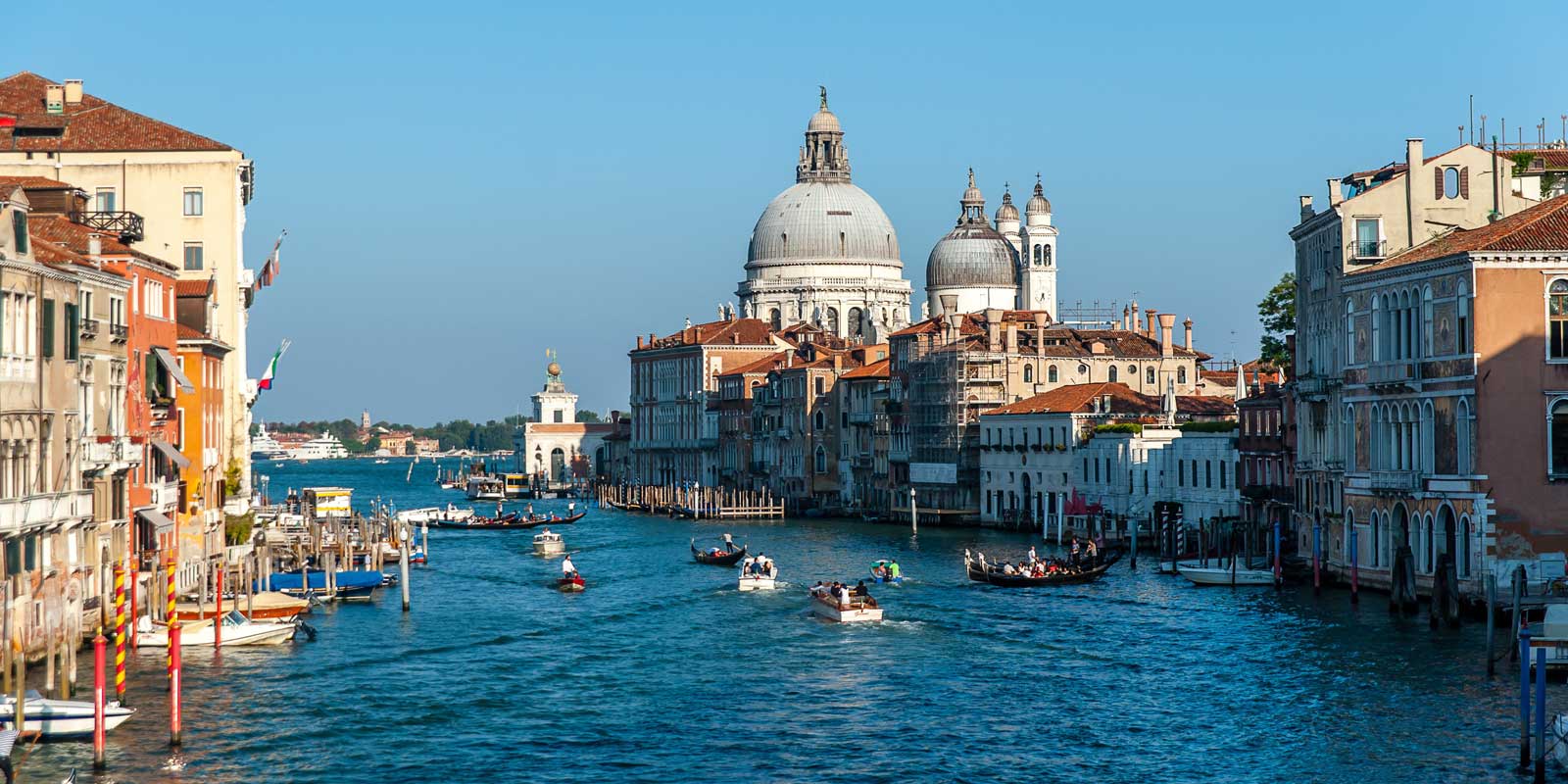
In Venice, commutes happen on water: the two principal transport options, water taxis and vaporettos, define how tourists travel along the Grand Canal, head to Murano and Burano, or simply to their hotel dock. The one is a private, comfortable ride that comes with a price to match; the other a public system that provides the city's aquatic bus network.
Understanding the differences among them is key for planning transfers from Marco Polo Airport, Santa Lucia Station, or the Venetian Lagoon islands: the right choice does indeed affect cost, speed, convenience, and even first impressions of arrival.
This article explains the differences between a Venice water taxi and a vaporetto, makes a comparison between cost and comfort, and helps travellers decide which one to choose in each situation.
Best Gondola Tours in Venice
What Are They and How They Differ
The vaporetto is the public water-bus service in Venice, operated by ACTV. It works as the backbone of public transport across the Venetian Lagoon, running on fixed routes with scheduled stops. The vaporetti carry residents, commuters, and tourists alike, connecting major points such as Piazzale Roma, Ferrovia (Santa Lucia Station), Rialto Bridge, St Mark's Square, Zattere, and the Lido di Venezia. Their large capacity and regular frequency make them affordable and reliable, though often crowded in high season.
By contrast, the water taxi is a sleek, wooden, private hire vessel—usually with leather seating. Independent companies run these boats and provide direct, door-to-door transfers between any accessible dock in the lagoon. A water taxi can deliver you straight to a hotel's private pier, or to someplace larger boats couldn't possibly go.
Key differences
Route flexibility: the water taxi chooses its own path; the vaporetto follows fixed routes.
Capacity: water taxis carry small groups, while vaporetti accommodate dozens.
Service model: Taxis operate on demand 24/7; vaporetti runs to timetable.
Atmosphere: Taxis offer a discreet and stylish way of traveling around; vaporetti plunge travelers into local life.
Both perform vital but different roles in the rhythm of Venetian transport.
Cost Comparison
Vaporetto Prices
It costs roughly €9.50 to buy a 75-minute ticket for a standard vaporetto. ACTV has passes targeted at frequent users in 1-day, 2-day, 3-day, and 7-day variations, costing roughly between €25-65. These passes let one have unlimited rides across the Grand Canal, Giudecca, Murano, Burano, and even the Lido routes.
For example
24-hour pass – €25
48-hour pass – €35
72-hour pass – €45
7-day pass – €65
Those who intend to visit more islands or travel across Venice through its canals daily find these cards very affordable.
Water Taxi Prices
A Venice water taxi offers comfort, though at a premium: typical fares are around €60-90 for short inner-city rides and €110-140 from Marco Polo Airport to the historic centre. Night service, luggage, or extra passengers increase the total.
Comparative Overview
| Route | Vaporetto (Public) | Water Taxi (Private) |
| Airport to City Centre | €15–€25 (Alilaguna Boat) | €110–€140 |
| Piazzale Roma to St Mark's Square | €9.50 ticket / €25 pass | €60–€80 |
| Hotel Transfer (Lido to San Marco) | €9.50 ticket | €50–€70 |
Prices vary by company and distance—always confirm the fare before you get on.
Speed, Route, and Convenience Comparison
Speed
The most obvious difference between these two ways of transportation is the speed. Thus, a water taxi travels directly from A to B without stops. For instance, a trip from Marco Polo Airport to St Mark's Square takes about 25-30 minutes by taxi while around 70-75 minutes by the Alilaguna water-bus.
The vaporetto, on the other hand, makes several stops at piers along fixed routes—very beautiful but slower. Travelers who want to see the quintessential view of palaces along the Grand Canal love this place, while for those wanting speed, it is the taxi.
Convenience
The water taxi is wonderfully convenient: it picks passengers up at the closest pier or private dock and, handling luggage on board, saves long walks over bridges. Most luxury hotels, especially those in San Marco, Dorsoduro, and Giudecca, have private moorings for this service.
The vaporetto boards from public docks, which may require hauling luggage across cobbled walkways. However, stops are clearly marked and integrated into the Venice transport map, making the system easy once understood.
Comfort
Inside a water taxi, travelers enjoy plush seating, enclosed cabins in bad weather, and a more personal experience-perfect for honeymooners or families seeking privacy.
Vaporetti, in contrast, can be crowded (especially on Line 1, the Grand Canal route), but they offer open decks with sweeping lagoon views that many consider part of the charm.
Unmissable Venice Tours
When to Choose Each Option
Choose the Vaporetto When
The budget is a priority, and frequent rides are planned.
The accommodation is located near a vaporetto stop, such as Ca d'Oro, San Toma, or Zattere.
The purpose of this is sightseeing along the Grand Canal or visiting outer islands like Murano, Burano, or Torcello.
Traveling light, with minimal luggage or day packs.
Enjoying the local rhythm of daily Venetian life is more important than speed.
Opt for the Water Taxi when
Traveling with heavy luggage or a number of suitcases.
Arriving from Venice Marco Polo Airport or the Cruise Port and requiring a direct connection to a hotel pier.
Time-poor and willing to pay for comfort and immediacy.
Seeking privacy, special occasions: honeymoon, anniversary, or a luxurious entrance along the Grand Canal.
Going on trips by sharing costs within a group.
Example decision path: Arrival → Hotel location → Luggage size → Budget → Time flexibility → Choose vaporetto or water taxi.
Many travelers opt for a hybrid approach: taking a private taxi on arrival-in particular, from the airport-and relying on the vaporetto network for day-to-day sightseeing.
Other Considerations and Practical Tips
Booking and Fare Transparency
Water taxis can be booked through hotel concierges, official services like Motoscafi Venezia, or directly at airport kiosks. The fares depend on the distance, duration, and baggage. Always confirm the total fare before leaving and request a receipt from the driver.
For vaporetti, tickets or passes can be bought at ACTV machines, kiosks, or via Venezia Unica App. Tickets must be validated at the electronic readers before boarding; failure to do this may result in fines.
Night or Early Flights
Reduced services are run by the vaporetto late at night. For early morning or nighttime arrivals, travellers may find only private taxis or Alilaguna Night Line are operating. In such instances, booking in advance ensures smooth transit via a water taxi.
Arrival Impressions
A water taxi arrival provides cinematic impact: cruising beneath the Bridge of Sighs or docking directly beside the Hotel Danieli makes for unforgettable moments. The vaporetto is much less exclusive but offers unrivaled opportunities to observe daily Venetian life and architecture along the Grand Canal.
Combining Both Services
Budget visitors can use a taxi for transfers and the vaporetto for daily mobility. For example, couples could take a taxi from Marco Polo Airport to San Marco and then move around with vaporetto Line 1 or Line 2.
Group Travel For bigger groups, it's worth hiring a water taxi or two. If six people split €90, that's just €15 each, about the price of two single vaporetto tickets. But if you're staying in Venice longer, multi-day passes still are the better deal.
Summary Table: Water Taxi vs Vaporetto
| Feature | Vaporetto | Water Taxi |
| Cost | Low (single ticket €9.50 or pass €25–€65) | High (€60–€140 per ride) |
| Speed | Slower (multiple stops) | Fast (direct route) |
| Route | Fixed stops on ACTV lines | Custom destination door-to-door |
| Luggage | Limited space | Handles heavy luggage easily |
| Comfort | Basic, often crowded | Private, luxurious, comfortable |
| Booking | Walk-up machines / app | Pre-book / hotel concierge |
| Availability | Fixed schedule | 24/7 on demand |
| Ideal For | Budget travelers & sightseers | Luxury visitors, short on time |
Quick summary
Budget or sightseeing → Vaporetto.
Luxury, early flight, heavy bags → Water Taxi.
Best strategy → Taxi for arrival + Vaporetto for exploring.
All Affordable Tours in Venice
Conclusion
Vaporetti and water taxis alike are a part of how one gets around Venice: the first are sightseeing and communal, the latter private and quick.
The decision, of course, depends on individual priorities: cost, speed, luggage, and which Venetian experience a person is after. To the practical traveler, or for families visiting the Rialto Bridge, St. Mark's Basilica, or the Doge's Palace, vaporetto offers an affordable route to the main attractions of the Venetian Lagoon.
To honeymooners, executives, or those arriving with a lot of suitcases, the water taxi offers direct service and an elegant arrival at their chosen hotel dock. Understanding these options in advance allows visitors to optimize time, manage budgets, and enjoy smoother transfers across the Grand Canal. Whether gliding slowly on a vaporetto or speeding privately past Santa Maria della Salute, each journey captures the same magic: Venice seen from its waters.