Pasta e Fagioli
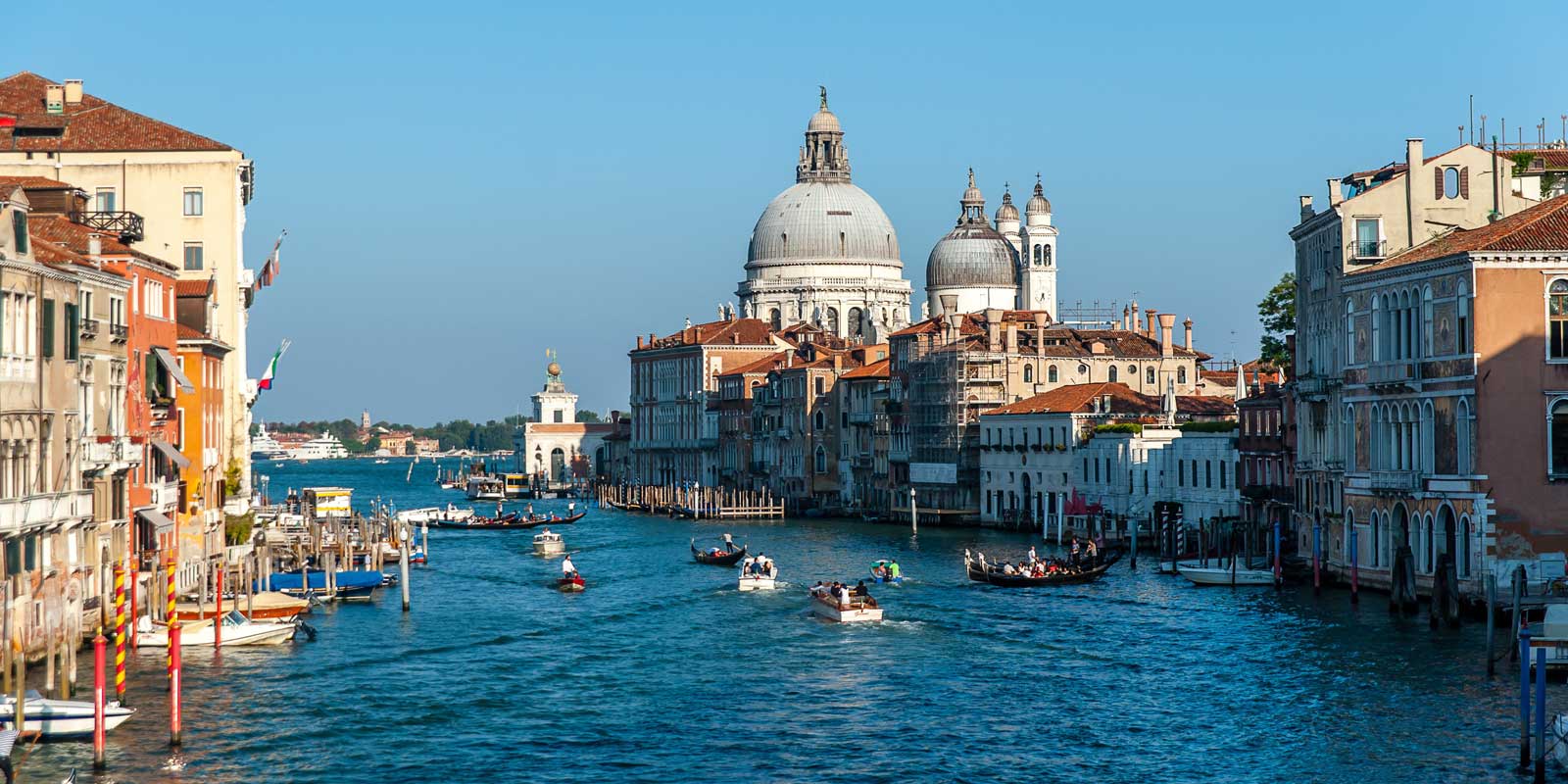
On a cold winter morning, as soft fog drifts across the quiet canals of Venice, kitchens throughout the city fill with the comforting aroma of simmering beans, vegetables, and herbs.
Behind the frosted windows of family homes and small trattorie, pots of pasta e fagioli gently bubble away, creating one of the region’s most cherished winter dishes.
The clinking of cutlery, the warmth of rustic dining rooms, and the echo of church bells in San Marco Venice or Cannaregio Venice set the perfect backdrop for a meal born from centuries of Venetian tradition.
In the Veneto, pasta e fagioli is not simply a recipe; it is a ritual of nourishment, community, and home. Thick, creamy, and deeply satisfying, it represents the hearty rural cooking of the Venetian mainland while also reflecting the lagoon city’s own culinary identity. Venice’s version, in particular, stands out for its velvety texture, slow-cooked depth, and reliance on simple, affordable ingredients that sustained generations of fishermen, artisans, and working families.
This article explores the historical origins, regional variations, essential ingredients, cultural context, and preparation methods behind pasta e fagioli in Venice. It also examines why this dish has endured as a winter staple and how travellers can enjoy it today in neighbourhood trattorie or traditional eateries tucked away in Dorsoduro Venezia, San Polo Venice, or the narrow calli of Venice Castello.
Best Venice Entry Tickets
What Is Pasta e Fagioli? — The Venetian Version
At its core, pasta e fagioli is a thick, stew-like combination of tender beans and small pasta cooked in an aromatic broth. While versions appear throughout Italy, the Venetian interpretation stands apart for its exceptionally creamy texture and muted, earthy flavour profile. It is neither a soup nor a typical pasta dish; it occupies a comforting middle ground.
The texture is key. Venetian cooks traditionally simmer the beans until they break down naturally, then mash or partially purée a portion of them to create a silky base. The pasta—often ditalini or small Venetian pasta fragments—is added toward the end, absorbing starches and flavours until the dish becomes dense and velvety.
Unlike southern Italian versions that incorporate tomatoes, Venice favours a more subtle approach: gentle aromatics, bean broth, a hint of pork rind or pancetta for depth, and a final drizzle of olive oil. The result is a warming dish synonymous with winter evenings, family gatherings, and the simple, frugal cooking of the Veneto countryside.
Origins of Pasta e Fagioli in the Veneto
The story of pasta e fagioli begins in the rustic farmlands and small communities surrounding Venice, where beans were among the most reliable and accessible sources of nourishment. Long before refrigerated transport or imported produce, Venetian families relied on durable pantry staples—and beans stored easily, grew well, and provided essential protein.
The dish emerged in rural kitchens, where women combined beans with homemade pasta, aromatic vegetables, and sometimes leftover pork scraps to create an energy-rich meal for labourers and fishermen. As Venice’s influence spread across the mainland, the recipe travelled with it, eventually merging with lagoon culinary practices.
By the 19th century, pasta e fagioli had become a winter staple throughout Venice—especially in neighbourhood osterie where workers, gondoliers, and market vendors sought affordable nourishment during cold months. Visitors who wander today through the calli near the Rialto Market and the Pescheria can still find traditional pots of pasta e fagioli simmering in family-run establishments, just as they did centuries ago.
Key Ingredients — Simple, Rustic, and Full of Character
Beans: Fagioli
Borlotti beans remain the traditional choice in Venice. Prized for their creamy interior and nutty sweetness, they form both the body and the base of the dish. Many cooks insist that dried beans—soaked overnight and simmered slowly—yield far superior flavour to canned alternatives.
Pasta
Venice favours tiny pasta shapes that meld seamlessly into the broth: ditalini, tubetti, broken tagliatelle, or small macaroni rings. These shapes absorb the bean cooking liquid and help create the stew-like density characteristic of the Venetian version.
The Soffritto
Onion, carrot, and celery form the aromatic foundation. Slow sautéing enhances sweetness and depth. Some cooks add a touch of garlic, though this is optional.
Spices
Bay leaf, salt, pepper, and olive oil are standard. Some families include smoked pancetta, lardo, or prosciutto rind, imparting rounder, richer notes.
Broth
Perhaps the most defining element is the broth created from the bean-cooking liquid and additional vegetable or meat stock. As beans cook, they release starch and flavour, thickening the base naturally.
Traditional Preparation — Step-by-Step Overview
The Venetians' way of making pasta e fagioli is slow, patient, deeply intuitive.
Cooking the Beans
Dried borlotti beans are simmered with aromatics and sometimes a piece of pork rind until tender and creamy.
Make the Soffritto
Finely diced onion, celery, and carrot are sautéed in olive oil until fragrant and golden. This mixture is then combined with the beans.
Prepare the Velvety Base
To achieve Venice’s signature creaminess, a portion of the beans—often one-third—is mashed or blended and returned to the pot. This creates a silky, thickened broth without any dairy.
Add Broth and Pasta
Warm broth is added gradually, and then pasta is introduced. As it cooks, the pasta releases starch, further binding the dish.
Seasoning Final
Laced with fresh herbs like parsley or rosemary and finished off with a swirl of olive oil.
Resting
Venetians often allow the dish to rest for several minutes before serving. This brief pause helps meld the flavours into a harmonious whole.
What makes the Venetian version unique
Creamier Expression of Comfort Food
While many Italian regions prepare pasta e fagioli as a brothy soup, Venice prefers a creamy, spoon-standing texture. The blending of beans is essential to this result.
Cherry Tomatoes
Local tradition avoids the bright acidity of tomato-based versions found in central and southern Italy. Venetian cuisine values subtle earthiness and roundness.
Seasonal Association
As temperatures drop, pasta e fagioli becomes the unofficial dish of January and February. It appears in osterie throughout Santa Croce Venice, San Polo Venice, and Cannaregio Venice as a winter favourite.
Cultural Symbolism
This dish captures Venetian humility, frugality, and respect for simple ingredients—values shared across local specialties such as Cicchetti Veneziani or Rice and Peas (Risi e Bisi).
Best Food Tours in Venice
Variations Regional and Modern
Traditional Veneto Versions
Prosciutto rind or pancetta adds a smoky undertone.
With rosemary or sage for herbal depth
With lardo for richness
Modern Restaurant Variations
Some chefs in neighbourhoods like Dorsoduro Venezia or San Marco Venice elevate pasta e fagioli with:
Organic heirloom beans
Artisanal pasta cuts
Rosemary oil or herb emulsions
minimalist presentations
Home Cook Adaptations
Using canned beans quickens everything.
Adding pumpkin or potato for texture
Thicker/thinner adjustment according to preference
Replace the pancetta with vegetarian pancetta.
When & Where Locals from Venice Eat Pasta e Fagioli
Traditionally, pasta e fagioli appears in Venice’s cold season, especially near Christmas. In Burano Island Venice, Murano and its glassworks, or neighbourhoods like Cannaregio Venice, it remains a staple of home kitchens.
In many osterie near the Grand Canal, the Rialto Market and the Pescheria, or around San Marco Venice, this dish appears as either a primo or a full meal due to its richness. Locals enjoy it with crusty bread, a glass of rustic red wine, or a simple chicory salad.
For visitors exploring Off the Beaten Track in Venice or walking routes such as the San Polo and Dorsoduro itinerary, pasta e fagioli often becomes an unexpected highlight—served in tiny taverns tucked away from the tourist crowds.
Suggestions Towards Making Pasta e Fagioli at Home
Use Dried Beans: They give better flavor and creaminess than canned ones.
Simmer low and slow: Rushing the beans or pasta prevents the starch from developing adequately.
Do not skip the soffritto: This aromatic base underpins the entire flavour structure.
Add Pasta at the End: Overcooked pasta dissolves in the broth and becomes mushy.
Aim for the Right Consistency: Venetian pasta e fagioli should be thick but still spoonable.
Rest before serving: A few minutes off the heat lets flavors meld.
Common Pitfalls to Avoid
Overcooking pasta until it collapses
Putting too much liquid and ending up with a brothy soup
Failure to blend some of the beans
Over-seasoning - strong meats mask delicacy.
This bypasses the need to use slow cooking methods.
Serving immediately with no resting time.
Visiting Information — How to experience Pasta e Fagioli in Venice
Visitor Information
Operating Hours: Many Venetian trattorie / osterie / bacari serving traditional dishes offer lunch roughly from 12:00–14:30 and dinner from 19:00 onward, typically with dinner starting around 20:00. Because Pasta e Fagioli is a seasonal, comfort-food staple, it may appear more frequently during colder months and winter, when hearty, warming meals are in demand.
Some more casual eateries (bacari or simpler osterie) may serve during lunch and dinner, but many traditional restaurants close between lunch and dinner (roughly 15:00–19:00) — as is typical across Italy. Therefore, visitors hoping for authentic Pasta e Fagioli should plan around traditional meal hours, avoiding mid-afternoon gaps.
Best Time to Visit: Dinner hours (around 20:00–21:00) tend to offer the best chance of finding Pasta e Fagioli on menus — many locals dine at that time, and kitchens are fully active. Winter season (November to March) is ideal — the dish is more likely to appear then, matching seasonal demand for warming comfort food.
Weekdays or off-peak hours often yield a more authentic, local experience — away from tourist crowds.
Dress Code & Entry Rules: Dress in casual, comfortable clothing. Venice’s trattorie and osterie generally maintain a relaxed, informal atmosphere. For dinner — especially in popular or highly regarded venues — making a reservation (by phone or online) is advisable.
Many restaurants in Venice follow the custom of keeping tables reserved through the evening for booked guests. Walk-ins during lunch are often possible, though early arrival increases the chance of being seated.
“Ticket” Information — What It Costs to Eat Pasta e Fagioli
Because this is a meal rather than an attraction, cost depends entirely on the restaurant, portion size, and accompanying items (wine, bread, etc.). In a modest Venetian trattoria or osteria, Pasta e Fagioli tends to be reasonably priced — reflecting its status as a hearty, homestyle dish rather than haute cuisine.
Visitors should plan additional costs for a glass of wine, bread, or a salad — traditional combinations that complement and complete the meal.
For groups wanting a more varied meal (starter, primo with pasta e fagioli, side, maybe dessert), budget accordingly — sharing or simpler portions can help maintain authenticity and value.
Online Booking: Some Venetian osterie or smaller restaurants accept online or phone reservations, especially those less reliant on walk-in tourist business. Booking ahead is often a sign of respect and helps secure a table for the evening.
For smaller, rustic neighbourhood trattorie (especially off the tourist trail), reservations may need to be made by phone or in person, and spontaneity — arriving just before opening — can work, especially for lunch.
Guided Tours & Food-Tour Options: For those visitors who like some structure or seek curated experiences: Local food tours of Venice — especially those focused on regional cuisine and traditional dishes — often include hearty dishes like Pasta e Fagioli alongside other Venetian staples, giving insight into local cooking customs and historical context.
Such tours can be especially valuable for travellers unfamiliar with Italian meal rhythms and restaurant etiquette, helping avoid tourist traps and aligning expectations with local dining habits.
Our Recommended “Dining Tickets” / Experiences
3 Hour Essential Venice: Capture the City’s Soul - Photowalk
Spritz O’Clock in Venice: A Classic Aperitivo Experience
Rialto Market Food & Sightseeing Tour in Venice with a Local
Practical Tips for Visitors
Reserve if possible — especially for dinner. Many Venetian restaurants operate on a single seating and tables may be held all evening.
Eat at lunch or early dinner — before tourist crowds and when ingredients are freshest.
Check daily menus in lad’insegna or chalkboards — traditional dishes like Pasta e Fagioli may not appear online.
Avoid heavily tourist-oriented spots — those often offer generic menus and skip regional dishes. Instead, choose small, honest osterie or bacari that prioritise local cuisine.
Pair the dish with crusty bread and a modest local wine — enhances the rustic, homemade feel.
Cultural Significance — More Than a Bowl of Beans
Pasta e fagioli is a dish that speaks to Venice’s agricultural roots as much as its lagoon heritage. Long before the city became home to world-famous attractions like the Doge’s palace, St Mark's Basilica, or St Mark's Square, Venetians survived on frugal, hearty recipes like this.
The dish reinforces a lesser-known truth: Venice is not only a maritime city but also a cultural bridge to the farmlands of the Veneto.
For locals, pasta e fagioli evokes memories of grandparents stirring pots over low flames, winter evenings shared around small wooden tables, and simple nourishment after foggy walks through San Polo Venice or Venice Castello.
For travellers, it offers a deeper understanding of Venetian cuisine, beyond seafood-centric dishes such as Cuttles in Casseruola con il Loro Inchiostro or festival-time favourites like Festa del Redentore street foods.
In a culinary world increasingly defined by modern experimentation and global influence, pasta e fagioli stands as a reminder that the soul of Venetian cooking lies in its modest origins.
All Affordable Tours in Venice
Conclusion: A Taste as Warm as Veneto's Soul Pasta e fagioli
Soul Pasta e fagioli remains one of Veneto's most enduring and emotionally resonant dishes. Rustic, creamy, nourishing, and steeped in tradition, it embodies the warmth and generosity of Venetian home cooking.
From the homes of Cannaregio Venice to the trattorie of San Marco Venice, this hearty classic continues to comfort residents and visitors alike.
Whether enjoyed beside a misty canal, discovered in a cosy tavern near the Rialto Market and the Pescheria, or prepared at home with care and time, pasta e fagioli delivers the essence of Venetian cuisine: simplicity, resourcefulness, and deep connection to both land and people.
For anyone seeking to experience Venice beyond its monuments and museums, a steaming bowl of pasta e fagioli offers a profound and delicious glimpse into the city’s soul. It's timeless, only Venetian-just so humble, comforting, and unforgettable.