Swimming in Canals
Curious about swimming in Venice canals? Discover the rules, risks, and alternatives to make the most of your visit to this iconic city on water.
Venice, the floating dream, one of the world's most recognizable and most romantic places on the planet. Its winding canals, its historic palaces, the gondolas gliding past Gothic facades, and its charming bridges that tie together more than 100 small islands – little do we question why Venice still fascinates millions of tourists every year. And yet, in this dream beauty, most tourists ask: "Can you swim in the Venice canals?"
The answer is not as easy as it may seem. While Venice' canals are alluringly inviting, it's not only ill-advised—actually, illegal to swim in their waters. This article provides a complete and authoritative discussion of why and how it's banned, the cultural and legal bases why, and more considerate, suggested alternatives for enjoying Venice' water beauty.
Experience Venice with a Dedicated Personal Concierge
The Short Answer: No, You Can't Swim the Venice Canals
In simple words, swimming in Venice canals is against the law. Locals and foreigners alike are not allowed to enter water either by jumping in, wading in, or even hanging their feet over banks of canals. The most significant legal provision is through the municipality of Venice itself, where stricter rules are legislated under the city's code of urban policing.
They risk a fine of €350, and in extreme cases, deportation from the city or nation. Since Venice implemented its new policy of managing tourist flows in 2023, with a controversial day-tripper entrance fee, this ban has been more evident and strict in practice.
Although the canals are beautiful to look at, they are not swimming recreation areas. They are shipping channels, drainage outlets, and part of an ecosystem to be treated with respect and care.
Why Swimming in the Canals Is Forbidden
Sanitation and Water Quality
Venice's canals are part of a broader tidal lagoon system that empties out into the Adriatic Sea. The canals do not have a modern filtering or sanitizing system, unlike common rivers or lakes. Household and commercial waste water used to flow directly into the canals. While Venice has seen improved sanitation in recent decades, greywater—wastewater from sinks, showers, and appliances—can still be discharged to the canal system.
And also, tidal current, although helpful in scouring the sediment, is no guarantee of cleanliness of water. The fluctuating tides can bring in algal blooms or activate poisonous bacteria. Bathing or swimming in the water presents definite health hazards in the form of skin infection, gastrointestinal illness, and exposure to waterborne diseases.
Public Safety and Traffic Hazards
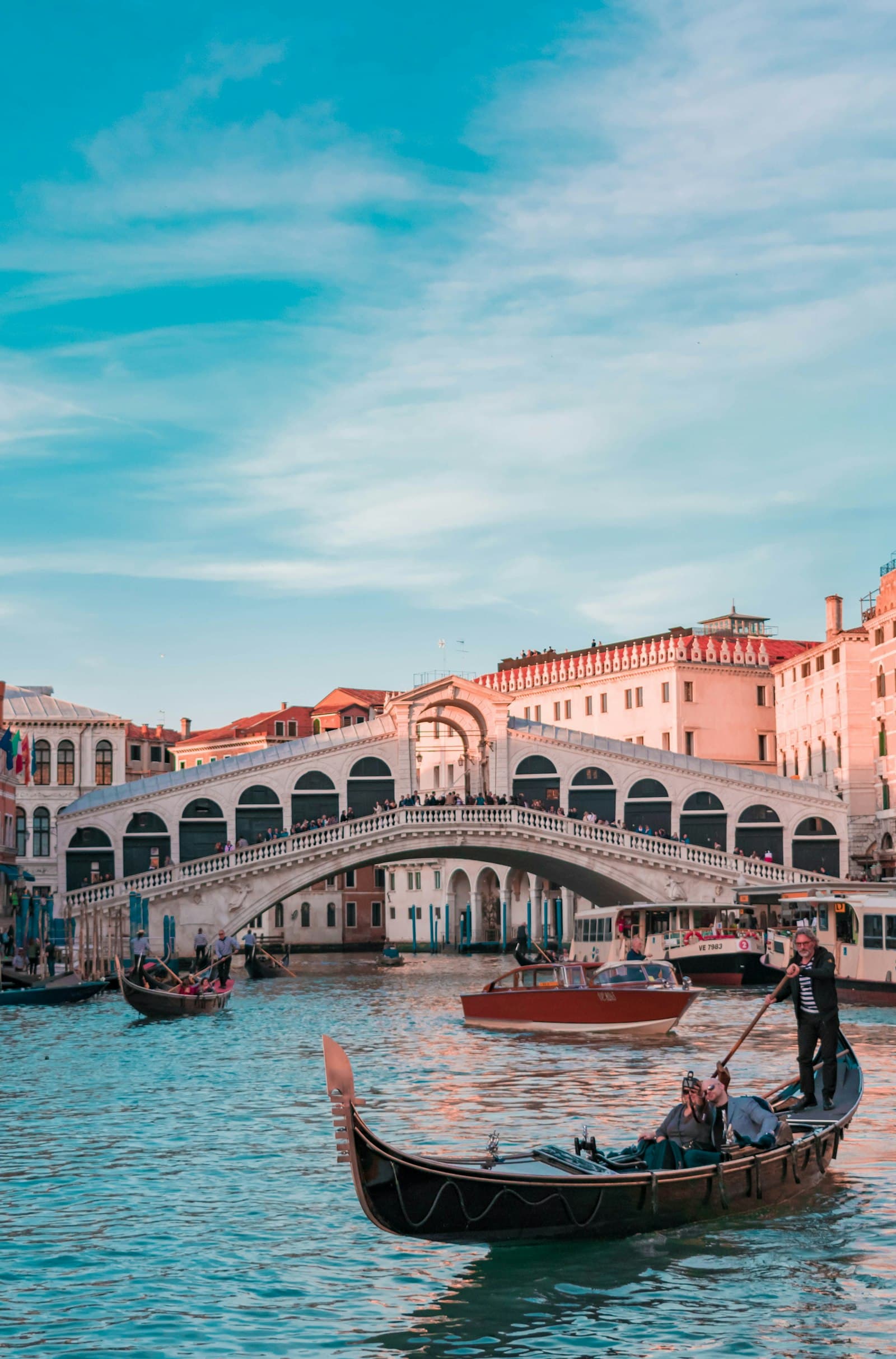
Besides sanitation, Venice canals are active water highways. Far from quaint bodies of water, these are the city's freeways, filled with water buses (vaporettos), gondolas, water taxis, police boats, and freighters.
It is murky water, and most of the canals are relatively narrow. It is therefore extremely dangerous to bathers, who have a fair chance of being struck, run over, or funneled into dangerous currents created by boat traffic. There have been instances where tourists have jumped from piers or bridges and have required immediate intervention and have ignited city-wide outrage.
Civic Respect and Cultural Etiquette
Swimming in Venice's canals is not merely a sanitary offense or dangerous—it's an act of disrespect for the heritage of the city. The canals themselves are part of the Venetian cultural and historical heritage. They run along monumental structures such as Basilica di Santa Maria Della Salute, Basilica dei Santi Giovanni e Paolo, and Redentore Church, all three of which are highly prized for their construction, but also for their religious importance and heritage.
Locals view swimming not only as unhygienic but offensive to nature itself. The act evokes anger and frustration, especially if tourists post a specimen of this kind on social media. In a city strained already from the overabundance of overtourism, offending public decency tests locals' patience even more.
What Happens If You Swim Anyway?
Those who are apprehended swimming in canals will face drastic and instantaneous punishment. The most frequent among them is an €350 on-the-spot penalty. Based on the place and hour, the authorities intervene, and regular violators are taken into custody or even deported to Italy.
There have been a few recent high-profile incidents that have gone to highlight the risks. One included tourists arrested for surfing down the Grand Canal on electric hydrofoils—a sensation on social media but also an outrage for Venetians. In another, individuals leapt from the Rialto Bridge, endangering themselves and traffic in the canals. Those activities drew not only fines but were universally decried in local media.
Whereas social media will probably stage such stunts as dashing or bold, the reality is less glamorous. Not only is danger done to participants but also to Venice's fragile social and environmental setting.
Exceptions and Misconceptions
Regattas and Traditional Water Events
Few, tightly controlled exceptions exist for permitting swimming or water sports—but only on an official basis. For the Regata Storica, or for the events during Venice Open Water, swimmers may be permitted to swim under close supervision. These are official events with timed courses, medical facilities, and official sanction.
It must be known that such activity is not available for tourist-level involvement, nor do they allow tourists to swim in the canals at their will. The swimmers are members of Venice's long-standing sea tradition and are adhering to extremely strict security protocols.
Images or Footage with People Swimming
Every so often, viral images or videos will include people swimming in Venice. These are set-up illusions, ancient footage, or attempts that were thwarted by the authorities within moments of the shooting. They should not be used as a how-to guide. In nearly all cases, such individuals were acted upon rapidly and were the target of popular derision.
Best Boat Tours in Venice
Are There Places to Swim in Venice Legally?
Public Beaches on the Lido
Fortunately, there are fantastic legal bathing spots in and around Venice. My favorite one is Lido di Venezia, a lovely barrier island separating the Venetian Lagoon from the Adriatic Sea. Lido has some well-groomed, public and private beaches, which possess clean sand, lifeguards, changing sheds, and drink stalls.
Others of the most highly-recommended beaches are Murazzi, Alberoni, and Blue Moon Beach. These offer a serene beach experience within the close vaporetto distance to the old city. Swims, sunbathes, and beach pursuits are on offer in a safe and considerate environment.
Hotel Pools and Private Resorts
Some of the upscale hotels in Venice also possess private pools, so visitors can swim and stay within the law. Examples of such upscale resorts include the JW Marriott Venice on Isola delle Rose, or Hotel Cipriani near San Giorgio Maggiore. Such upscale resorts are equipped with modern facilities and green environments with lagoon views.
Staying in such accommodations provides convenience and the facility to rest responsibly in Venice' special environment.
There are considerate alternatives to swimming in the canals for visitors looking for an invigorating experience in Venice:
Spend a day in Lido di Venezia.
Treat yourself to hand-made delights at local gelaterias near St Mark's Square.
Ride the vaporetto for a panoramic boat tour of the lagoon.
Walk through dimly lit cloisters and church interiors like St Mark's Basilica or Madonna Dell Orto Church.
Sit in the wind in cafes on canal sides in Cannaregio or Dorsoduro without getting drenched.
In this way, tourists can get to appreciate the city's beauty as well as respect local customs without jeopardizing its future.
Traveling and Swimming in Venice
Visitors Information
Opening Hours: Year-round, 24 hours a day, access to Venice's historic city centre is possible. But the Venice Access Fee—a compulsory day‑visitor contribution—is strictly only applied for specific peak days from mid‑April until July. During such days, visitors are required to pay between 8:30 a.m. and 4:00 p.m.
Best Time to Visit: The Access Fee is paid on 54 days in 2025, i.e., Saturday and public holiday between April 18 and July 27. From the 27th of July—or after 8:30 a.m. to 4:00 p.m.—customers are not charged, but registration might still be required in a few cases. Overnight guests are not required to pay the fee but must register online and get a QR code.
Dress Code and Entry Rules: Venice strictly controls public decency. It is forbidden to wade or swim in the canals, jumping from quays or bridges will cost €350 or more. Topless or swimsuit walking by tourists is not allowed in the old center; church admission depends on shoulders and knees decently covered, and men to doff headgear.
Ticket Information
For certain peak dates, over-14-year-old daytime visitors must purchase the Venice Access Fee, €5 if booked more than four days beforehand, or €10 if booked late. Groups that are exempted—such as overnight stays, children under 14, disabled consumers, or locals—must also register online in order to obtain an exemption voucher or QR code. Registered groups that do not comply will face a fine of between €50 and €150.
Online Booking: Payment and registration are paid for on the official Venice Access Fee website, and a QR code for entrance per person is issued therefrom. These can also be requested in person at locations such as tobacco houses (e.g. near the train station) in cash, typically in advance at the higher rate if close to the visitation date.
Guided Tours: Educational tours usually provide Access Fee preregistration in advance for the visitors, particularly where tourists begin in Venice. Tourists undertaking a tour should find out if registration and the provision of QR‑codes are included in the tour package. Tour groups are capped at 25 people, and loudspeakers throughout the historic centre are limited for crowd‑management and conservation reasons.
Our Recommended Tickets
Small Group Venice Street Food & Sightseeing Tour with a Local
City Center Walking Tour in Venice & Gondola Experience
Tour Accompanied by St. Mark's Square and Rialto Bridge
Cultural Sensitivity and Responsible Tourism
Venice's struggle with overtourism has placed an unprecedented strain on its society, environment, and infrastructure. Disrespectful tourist conduct—swimming in canals or climbing monuments, for instance—is not merely in contravention of the city's laws but also takes away from everyone's ability to enjoy the experience.
Local communities and governments have long preached responsible tourism. This involves following signs, staying on the footpath, not to walk around naked in public or be obnoxious, and not to litter.
Here, not swimming in the canals isn't just a legal issue—it's an act of solidarity with Venetians. Responsible tourism is what ensures such a place as Venice remains accessible, lovely, and inviting to future generations.
Best Venice Gondola Rides
Conclusion
Though the Venice canals would be a delight to swim through on a hot summer afternoon, it is illegal and unsafe to do so. From sanitary reasons and risk of hazards, through cultural duty and legal penalties, there are ample reasons that this prohibition holds-and that it is so aggressively enforced.
Luckily, tourists have lots of pleasant choices, ranging from the untouched Lido di Venezia beaches to hotel pool convenience and the thrill of a vaporetto ride. By obeying the city's codes and its residents, tourists can help ensure The Best of Venice endures for years to come.
At the end of the day, it is not only about doing and not doing—it is about loving where we travel with humility, wonder, and compassion. Let the canals of Venice remain what they are: a work of art to appreciate, and not a swimming pool.