Travel Insurance
Choose travel insurance for Venice: compare medical, cancellation and baggage cover, understand EHIC and GHIC limits, and prepare for a claim.
Choosing travel insurance for Venice
Travel insurance for Venice should match your medical needs, prepaid bookings and planned activities. Look for emergency treatment and repatriation cover, then compare cancellation, interruption, baggage and delay benefits. Check the exclusions and limits: a policy does not pay for every illness, stolen item or change of plan.
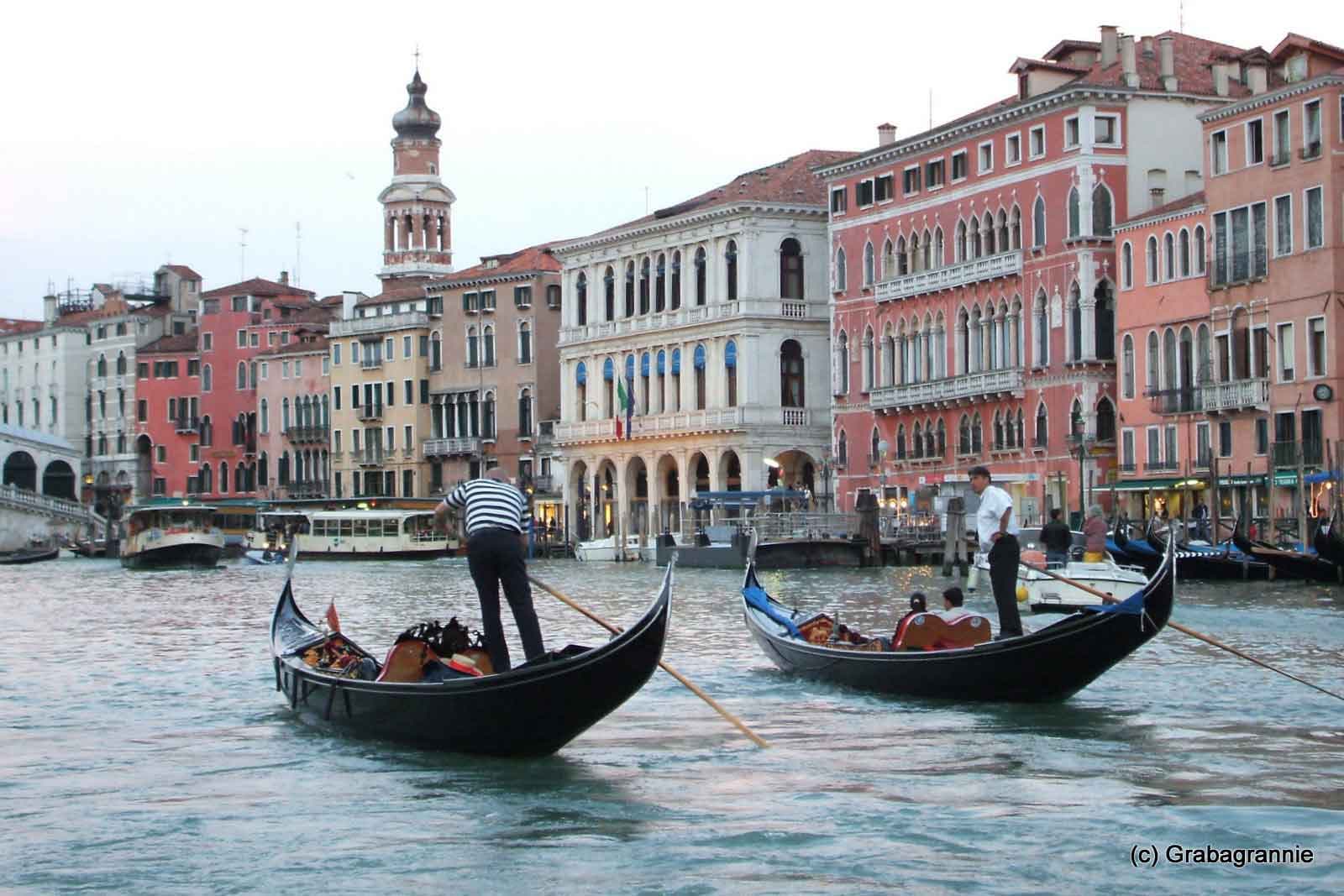
Whether you are exploring the Grand Canal, booking gondola rides or visiting St Mark's Basilica, arrange appropriate cover soon after booking. This lets cancellation protection begin when the policy says it does, rather than leaving your advance payments unprotected until departure.
What to compare before buying
| Cover | What it can help with | Check in the policy |
|---|---|---|
| Emergency medical and repatriation | Unexpected illness or injury; medically necessary transport and return home | Declared conditions, medical limits, excess and insurer approval |
| Cancellation and interruption | Prepaid costs if you cancel or cut short the trip for a covered reason | Accepted reasons, insured trip value and any exclusions for known events |
| Baggage, valuables and delay | Lost or stolen belongings, delayed bags and eligible extra expenses | Single-item limits, unattended-property rules, waiting periods and receipts |
| Personal liability and activities | Some claims for accidental injury or damage; eligible sports and excursions | Excluded property, activities, legal costs and any required add-ons |
The excess is the amount you pay towards a claim. There is no single price for Venice travel insurance. Obtain a quote for your country of residence, age, dates, medical history, trip cost and activities. Compare the final premium with the excess and benefit limits, rather than choosing solely by price. An annual policy may suit several trips, but check its maximum length per trip and geographical area.
Is insurance required, and is an EHIC or GHIC enough?
If you need a short-stay Schengen visa, medical insurance is part of the application requirements. Check the official Schengen visa application guidance and your consulate's instructions for your circumstances. Insurance is also sensible for visitors who do not need a visa; do not confuse that recommendation with a universal entry requirement.
Eligible visitors can use a valid European Health Insurance Card (EHIC), or a UK Global Health Insurance Card (GHIC), for medically necessary state-provided healthcare in Italy on the applicable local terms. This does not guarantee free treatment. These cards do not replace travel insurance: private care and repatriation are outside their cover, and they do not insure your luggage or cancelled holiday. Check your eligibility before travelling; the EU guidance on healthcare during a temporary stay explains EHIC use.
Medical treatment, evacuation and pre-existing conditions
A fall on a bridge or an unexpected illness can interrupt even a short city break. Your home health insurance may provide limited overseas benefits or none, so check it before relying on it. Compare emergency treatment, hospital care, medically necessary evacuation or repatriation, and the return of remains after a death abroad. They are different benefits, with their own terms and approval requirements.
Declare physical and mental health conditions, medication, pending tests and treatment as the insurer asks. Get written confirmation that the conditions you need covered are accepted. An undeclared condition can affect a claim; an optional add-on is not automatically available for every condition.
Venice's waterways can affect how emergency teams reach you, including transport by water ambulance. Do not assume a particular ambulance journey is either chargeable or reimbursable: entitlement, treatment and policy terms matter. In an emergency call 112 and do not delay urgent care to obtain insurance approval. For subsequent treatment or a proposed transfer, contact the insurer's assistance team promptly. See our Venice emergency contact guide for local services.
Cancellation, flooding, strikes and travel delays
Add up non-refundable flights, hotels in Venice, tours and event tickets before selecting your cancellation limit. Illness or injury, a family emergency, severe weather or an unexpected work obligation may be covered only when the policy specifically includes that reason. Check interruption or curtailment cover separately if you must return home early.
Acqua alta in Venice is tidal high water, particularly relevant in autumn and winter. MOSE is a system of flood barriers, not a weather-warning service. A wet square or a closed attraction does not automatically trigger an insurance payout. Ask how the policy treats flooding, natural disasters, inaccessible accommodation and transport disruption, including events already known when you book or buy cover. Our high-water guide covers local preparation.
Airline cancellations, mechanical faults and strikes affecting flights, trains, buses or ferries do not all qualify under the same insurance benefit. Read the covered causes and minimum delay before relying on meals, extra hotel nights, replacement transport or missed-departure cover. A local transport strike alone may not meet the policy's conditions.
Contact your airline or other travel provider about refunds, assistance and alternative arrangements as well as your insurer. Keep their written explanation of the disruption and details of any compensation or refund: insurance generally does not reimburse the same loss twice. Check the Marco Polo Airport to St Mark's Square guide when planning that journey, and leave time for connections.
Lost luggage, theft and valuables
Baggage cover may help if bags are lost or delayed on a flight or train, or belongings are stolen. Compare total cover with the separate limits for each item and for valuables. Phones, cameras, jewellery and cash may have different rules; items left unattended can be excluded. Keep important documents, medication and essential valuables with you.
If checked luggage is missing, report it to the airline or handling desk before leaving the airport and obtain a baggage irregularity report. Keep baggage tags and receipts for necessary replacement clothing and toiletries. Buy within your policy's allowance: the qualifying delay and spending limit vary, so there is no universal 12- or 24-hour rule.
Keep bags secure in crowded places such as Piazza San Marco and the Rialto Bridge. Report theft to the police and notify your insurer within its required deadlines. Keep the report and evidence of ownership; having theft cover does not remove the need to meet its security and reporting conditions.
Liability, boat trips and activities
Personal liability cover may help if you accidentally injure another person or damage their property and are legally liable. Read its exclusions carefully. For example, damage to a hotel room or property in your care may be excluded, so do not assume every accidental breakage is insured.
For a boat excursion on the Venetian Lagoon or any water sport, check the exact activity against the policy. A sightseeing passenger trip, kayaking and operating a boat can have different rules. Ask the operator where the activity is permitted and ask your insurer whether an add-on is needed. Confirm local access rules separately: insurance does not grant permission to enter a restricted waterway.
Choose a provider and prepare for a claim
- Choose a provider authorised to sell to residents of your home country. Compare policy wording, claims arrangements and recent independent reviews.
- Check age and residency conditions, cover dates, the maximum trip length, limits per person and the excess payable on a claim.
- Confirm a 24-hour assistance number and how to obtain approval for non-urgent treatment, transport or a change of travel plans.
- Check cover for pre-existing conditions, COVID-19 or other illness, natural disasters and all planned excursions. A mention of a risk in advertising does not settle every claim involving it.
- Check exclusions for excessive alcohol, recreational drugs and travelling against your government's advice.
- Save the policy number, assistance contact and wording offline, and share them with a travelling companion or someone at home.
- For a claim, keep medical evidence, police or airline reports, booking confirmations, cancellation terms and receipts. Contact the insurer promptly and follow its evidence requirements.
Tip: before paying for a replacement journey or non-urgent private treatment, ask the insurer what it will authorise and what documents it needs. In a medical emergency, get help first.
Plan the rest of your Venice visit
Once your cover is arranged, use our Venice city guide, short history of Venice and top ten things to do in Venice to plan your days. Keep sightseeing bookings and insurance decisions separate: a tour ticket does not establish that the activity or a cancellation is insured.
Museum booking options include a Peggy Guggenheim Collection private tour with tickets and Murano Glass Museum tickets. Read the product's own cancellation conditions before booking.