Accessible Venice: Travel Tips for Mobility-Impares Visitors, Wheelchair Routes, Accessible Vaporetto Stops
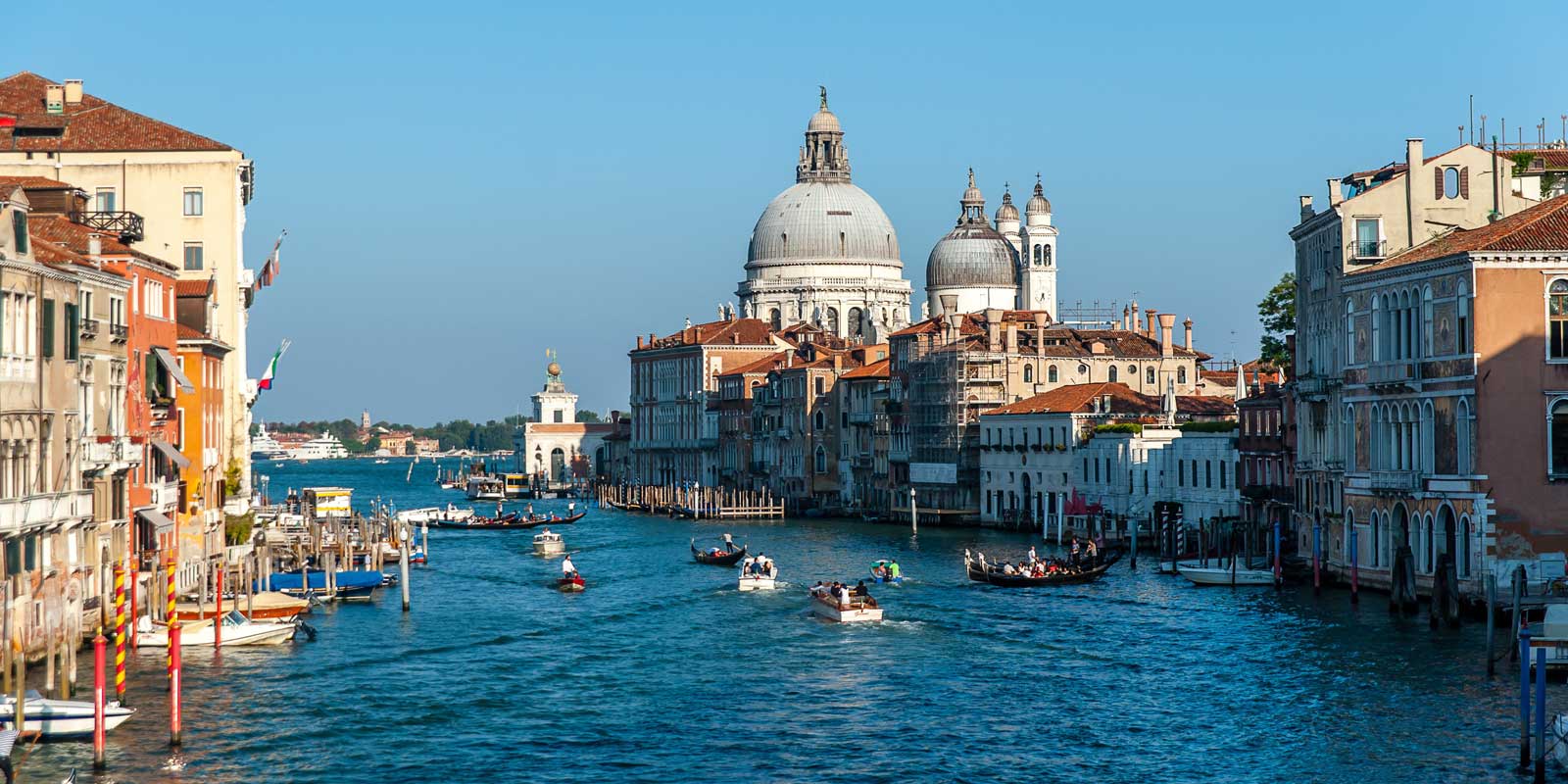
With its reputation as one of the most magical cities in the world, Venice is a tapestry of Gothic facades, narrow calli, historic bridges, and shining canals.
On the other hand, these features that make it visually stimulating pose some real challenges for travelers with mobility impairments: most of the bridges have several steps; alleys may narrow suddenly with uneven pavement; and transportation is also very traditional, mainly by boats, which raises yet another layer of complication.
Despite such structural difficulties, Venice has done a lot to become more accessible in the past decade. Ramps have been fitted, step-free routes extended, vaporetto stops adapted, numbers of adapted boats increased, and detailed accessibility maps published.
Municipal authorities, tourism bodies, and private operators now work together to ensure that mobility-impaired visitors can discover Venice in greater comfort and independently.
This article is a comprehensive, practical guide to accessible travel in Venice-from wheelchair-friendly routes and vaporetto tips to neighborhood recommendations, step-free itineraries, and adapted experiences-all with the express intent of giving travelers realistic expectations of what to look forward to, up-to-date solutions, and confidence in discovering the beauty of the city without limitation from mobility concerns.
Unmissable Venice Tours
Understanding Accessibility in Venice
Challenges in the City's Structure
A medieval city, Venice was built on upwards of 100 islands and joined by hundreds of bridges. The majority of these bridges include stairs and narrow arches. Without cars, tourists depend on water transportation or walking along narrow, winding streets without a regular pattern through the city; most are barely wide enough for a wheelchair to pass through.
Problems with mobility, such as: stepped bridges, uneven pavements and sometimes slippery stones, narrow alleys crowded, stepped entrances into shops and restaurants.
Lack of elevators in some historical buildings.
These are constraints that require thoughtful planning, but do not prohibit fun exploration.
Recent Improvements & Resources
Notable accessibility upgrades implemented in Venice include the following: Installing metal ramps on bridges at key areas, adapted vaporetto pontoons with level boarding.
Wheelchair-friendly boats on main lines, publicly available toilets in city centres, comprehensive online accessibility maps, and clearer signage around the city.
These changes are most evident around St Mark's Square, the waterfront promenades, and along the major vaporetto routes on the Grand Canal.
What Accessibility Means in Venice
Even though Venice is not completely barrier-free, mobility impaired visitors can expect: newly designed step-free zones, accessible transport options, smooth waterfront routes, inclusive cultural experiences.
Realistic expectations are important. Some of the more remote calli or small bridges are inaccessible whereas major pathways and attractions are considerably easier to negotiate.
Important Travel Tips for the Mobility-Impaired Visitor
Planning Before Arrival
Successful accessible travel begins with preparation, that ensures visiting places like San Marco, Rialto, and dan Ferrovia is interesting.
Make sure hotels have step-free entrances, elevators, and accessible bathrooms.
Arrange transfer assistance at the airport, train station, or cruise port.
Request rentals of mobility equipment if needed: wheelchairs, mobility scooters, ramps.
Housing near accessible transportation can significantly decrease the amount of physical strain.
Crossing Bridges & Irregular Surfaces
While many still consist of steps, a growing number have ramps or modified access. In the case of popular zones, ramps may be installed for high seasons.
Tips include:
Waterfront promenades are natural alternatives to bridges.
Avoiding peak-hour pedestrian traffic using vaporetto transport to avoid demanding crossings. Wheelchair users often find step-free access along the wider fondamenta alongside the Grand Canal.
Tide and Weather Management
Water levels fluctuate in Venice. During Venice's Acqua Alta, the city installed wooden walkways. Mobility impaired travelers should: monitor tide forecasts through local apps, plan indoor options on high-tide days, wear waterproof shoes, and expect detours from scheduled routes periodically.
Slick surfaces can also be created by winter rains and fog.
Choosing the Best Time of Day to Move Around
Crowds are considerably thinner at the start of morning and in the late evening. Such times reduce pressure on narrow paths. Trying to avoid midday near Rialto, the Bridge of Sighs, or St Mark's Square would improve comfort and safety.
Communication Tips
Basic Italian phrases such as "Posso avere aiuto, per favore?" ("May I have help, please?") are useful. For the most part, Venetians are accommodating and used to dealing with travellers in wheelchairs or with reduced mobility.
Wheelchair-Accessible Routes Over Venice
Principal Step-Free Corridors
Many districts provide dependable access: step-free stretches of waterfront around San Marco, flat promenades along Zattere, wide pathways in Santa Croce and San Polo, and accessible corridors through Cannaregio Venice, and smooth surfaces in parts of Dorsoduro Venezia.
These major corridors connect important areas without having to cross hard bridges.
Accessible Paths Around St Mark’s Square
The area around St Mark's Square is one of the most wheelchair-friendly zones in the city. Smooth pavements, broad open spaces, and ramps provide easy access to surrounding cafés and museums. Certain routes near the Basilica and waterfront include gentle gradients suitable for mobility aids.
Riva degli Schiavoni & Zattere Promenade
Both places boast long, flat promenades with picturesque lagoon views:
Zattere: wide, sunny, and popular for step-free movement.
Riva degli Schiavoni: spacious, with benches and ramps
These areas are easily accessible by wheelchairs, and most waterfront cafes have sitting areas.
Cannaregio Accessibility Highlights
The Cannaregio Venice is one of the more straightforward sestieri to get around. Highlights include: the Ghetto area and Fondamenta della Misericordia, wheelchair-friendly canal paths, light bridges with easy, navigable ramps. Quieter district, so walking is pleasant and safe.
Routes on Lido & Giudecca
The islands are exceptionally accessible.
Giudecca: flat waterfront, modern buildings, and continuous walking routes.
Lido: accessible beaches, wide pedestrian areas, and well-paved promenades.
Both islands provide open and obstacle-free movement possibilities and are connected with accessible boat lines.
Best Venice Passes
Accessible Vaporetto Travel
Understanding the System
The vaporetto system is the most practical transport option for mobility-impaired visitors in Venice.
Many lines make use of boats that are equipped with: folding boarding ramps, allocated wheelchair spaces, accessible crew assistance. The lines on the Grand Canal are particularly useful.
Safe Boarding
At accessible stops, staff deploy ramps for wheelchairs. Customers should allow crew to assist, position wheelchairs with care on entry, secure brakes once aboard, and notify crew in advance of intended stop. Clear communication enhances safety and comfort.
Accessible Stops to Prioritise
Important accessible stops include:
Piazzale Roma - entrance to Venice, Ferrovia (Santa Lucia Station)
Rialto, San Marco - ideal for St Mark's Square, Zattere, Giudecca Palanca.
These stops feature level boarding, or high-quality ramps.
Lines Most Convenient for Mobility-Impaired Travellers
PListItem 1: slow; scenic; covers the Grand Canal and several easy stops
Line 2: quicker alternative, fewer stops but still accessible
Lines serving islands like Giudecca and Lido
These lines reduce the number of bridges required.
Buying Tickets & Passes
Accessible ticket counters include ramps or lowered windows. The alternative for travelers is the use of digital options that avoid queues altogether. A few passes include accessibility perks or flexible validity periods.
Accessible Attractions & Experiences
Museums & Cultural Sites
Many cultural sites today include steps-free entrances such as ramps, elevators, and accessible restrooms.
Notable museums within the area of the Grand Canal and San Marco provide full or partial accessibility with mobility-friendly paths inside.
Churches & Historical Buildings
Although some historic churches include steps, many offer adaptations: ramps installed temporarily for certain seasons, accessible side entrances, smooth flooring in modernised areas.
Opening times and information on accessibility for visitors should be checked in advance if possible.
Gardens, Squares & Open Spaces
Step-free spaces include: public gardens in Venice Castello, waterfront promenades, broad piazze around San Marco, lagoon views on Giudecca. These areas offer relaxing explorations without structural barriers.
Accessible Tours & Experiences
Adaptive activities include: wheelchair-accessible guided tours, accessible food tours around Rialto Market and the Pescheria.
Art workshops with step-free studios and lagoon boat tours designed for mobility impairments These tours enable guests to immerse themselves in Venetian culture.
Dining & Services for Mobility-Impaired Travellers
Choosing Accessible Restaurants
The following are examples of accessible dining environments: entrance ramps wide seating spaces, step-free layouts, and accessible restrooms. Features consistent with modern accessibility are common in restaurants around St Mark's Square and the Zattere waterfront.
Food Delivery & Takeaway Options
Delivery services help mobility-impaired visitors enjoy Venetian cuisine without extra strain when narrow calli or stepped entrances present a problem.
6.3 Pharmacies, Medical Services & Rental Equipment Venice offers: pharmacies in each district medical clinics wheelchair repair services hotel delivery of rental mobility equipment These resources ensure comfort during extended stays.
Visitor and Ticket Information
Visitor Information
Opening Hours: While the public spaces of Venice are accessible at any hour, many visitor-specific sites have museum-like hours of operation. For example, the Peggy Guggenheim Collection in Dorsoduro is open daily from 10 a.m. to 6 p.m., closed on Tuesdays and 25 December.
When planning visits, travellers with reduced mobility should allow extra time for transport and arrival, and check site-specific hours in advance as lifts, ramps or special access may require coordination.
Best Time to Visit: Accessible travel in Venice benefits from times of lower foot-traffic and tidal disruption. While the city itself is open all year round, the quieter seasons-late autumn or winter, outside of Carnival offer more calm when navigating along mobility routes.
Public transportation-the water-bus/vaporetto is not so crowded, hence easier to board. Early morning slots or early afternoons are preferable, which avoids several crowds along accessible docking points and popular squares.
Dress Code & Entry Rules: There is no particular dress code specifically for access visits in Venice, but a person should aim for comfort and ease of movement: flat, stable footwear, and layers-either for the canal breezes or air-conditioning indoors-help.
Entry rules to note for persons using mobility devices: Some bridges or small foot-bridges have ramps or accessible alternatives; others may require waiting or alternate routing. At museums or civic sites, documentation of disability may be required to access free or discounted admission.
On water-transport boarding (vaporetto or water-taxi) ramps and assistance are available, but may need advance request.
Ticket Information
For visitors with reduced mobility: Many civic museums in Venice grant free admission to visitors with disabilities and one companion, upon presentation of official certification. Public transport - such as water-buses - is accessible, and tickets for wheelchair users may include reduced fares.
For example, the official Venice transport site lists accessible stops, wheelchair spaces and discounted fares. It's advisable to check at each attraction and transport line whether any prior-bookings are required, or lifts or step-free entrances.
Online Booking: Online reservations Booking in advance continues to be highly recommended for accessible travel: Book available transportation - water-taxi or vaporetto, and/or order assistance if necessary. With museums or guided tours, it is best to identify mobility needs and request accessible entrances or lifts when booking. Keep digital tickets/confirmations on hand, as well as printed or mobile copies of any disability-certification requirements to obtain free-entry or companion passes.
Guided Tours: Accessible guided tours in Venice are available for visitors with reduced mobility, offering step-free routes, wheelchair-friendly docks and specialized guides. As an example, the tour company of veniceXplorer offers accessible shore excursions with water taxis adapted to people and programs that avoid bridges and steps.
Tours like these come highly recommended, combining logistic support with insights into the culture, all while making many of the city's highlights readily reachable.
Our Recommended Tickets
Half-Day Guided Tour to Murano, Burano & Torcello Islands
Private Trip to Murano, Burano & Torcello with Local Guide
Private Tour of Murano Glass Factory with Master Glassmaker
Sample 24-Hour Accessible Itinerary
Morning: From St Mark's Square, via step-free vaporetto arrival. Take a wheelchair-accessible walk around the waterfront area. Visit an accessible museum near you.
Afternoon: Lunch at a restaurant with no steps. Travel along the Grand Canal with the accessible vaporetto. Spend a laid-back afternoon on Giudecca or another flat island.
Evening: Dinner at a barrier-free waterfront trattoria. Enjoy a smooth promenade stroll at Zattere during sunset. Low, golden light over The Venetian Lagoon provides a spectacular end to the day.
Best Venice Entry Tickets
Conclusion
Though known to be one of the most challenging cities for travellers with mobility impairments, Venice has striven to continually improve through deliberate and sustained infrastructure enhancements. Step-free promenades, adapted vaporetto services, accessible museums, and upgraded waterfronts make it easier and more comfortable to get around than ever for wheelchair users.
Good planning, awareness of accessible routes and an understanding of adapted transportation options transform Venice from an intimidating destination into one that is inclusive, navigable and richly rewarding. With the proper information, mobility-impaired travelers can experience the artistic beauty, lagoon atmosphere and depth of culture in Venice just as fully as any other visitor.