Gondola Economics: Myth vs Reality, Negotiating Rides, Alternative Boat Experiences for Less
A clear guide to gondola economics—myths vs reality, how to negotiate rides respectfully, and affordable alternative boat experiences across Venice.
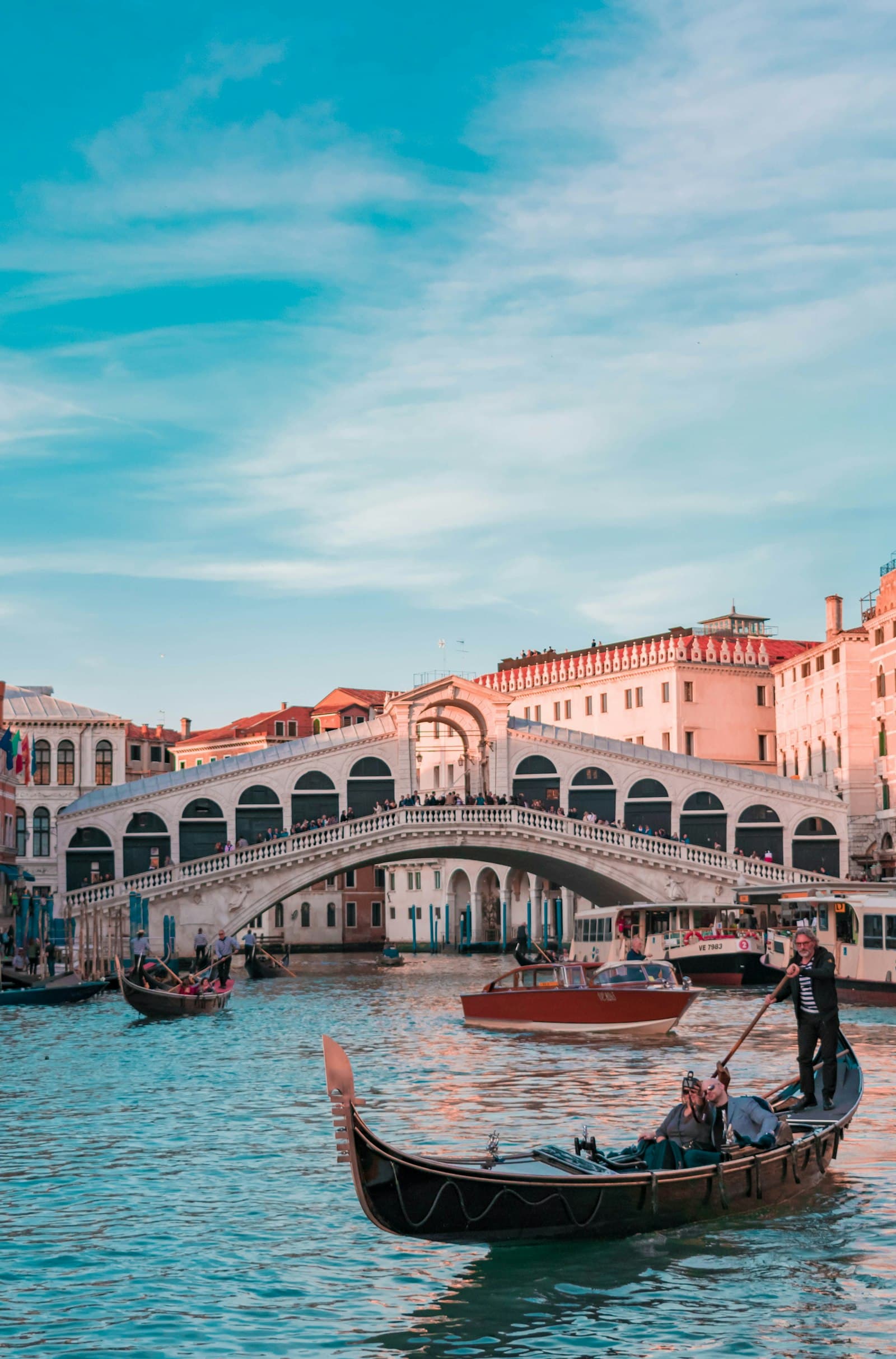
Few images define Venice more powerfully than a gondola gliding through the Grand Canal, its glossy black hull reflecting centuries of maritime tradition.
For generations, the gondola has been both a symbol and a marketing phenomenon: a romantic postcard of Venetian identity, a cultural icon, and a painstakingly preserved craft.
Visitors arrive with expectations shaped by films, literature, and glossy travel campaigns, in which gondoliers appear as guardians of heritage-rowing beneath bridges while softly serenading passengers.
Yet within that charm lies another perception: Gondola rides are costly, confusing or inconsistent, many travellers will say. Prices are debated in online forums; myths spread quickly; questions about negotiation or alternative experiences multiply. And so, the romantic symbol becomes an economic puzzle.
The aim of this article is to break down the real economics behind gondola pricing, sift the myth from reality, clarify negotiation possibilities and limitations, and present authentic alternatives across The Venetian Lagoon for travellers with various budgets.
Understanding these dynamics places the power of choosing wisely in the hands of visitors, matching cost with experience, while being considerate of the cultural and economic drives of one of Venice's most recognizable traditions.
Unmissable Venice Tours
The Gondola’s Historical & Economic Context
Origins and Cultural Significance
The gondolas were once Venice's primary transportation mode. Thousands of these boats crossed the canals of Venice each day for centuries in service to the needs of merchants, families, diplomats, and dignitaries.
Over time, the traditional design changed, especially during the 17th century, when Venice standardized ornamental elements and hull proportions.
Today, the gondola is an artisanal masterpiece: every boat takes up to 500 hours of work, requires 8 different types of wood, and is asymmetric due to the fact that it is led by a single oar. Its characteristic shape and color come from strict regulations, which preserve historic authenticity. A gondola is not merely a boat; it's a living artifact of craftsmanship and heritage.
Why Gondolas Cost What They Cost
Gondola pricing does seem a bit exorbitant at first sight; having explained the economic structure, therefore, it makes logical sense.
A limited workforce
Becoming a gondolier requires arduous training, apprenticeships, exams, and family tradition. Licenses are few and infrequently granted, making gondoliers an elite professional status. Their relatively small number creates a near monopoly: many customers, limited suppliers.
High costs of production and maintenance
It costs tens of thousands of euros to build a gondola. Annual maintenance—varnishing, repairs, winter storage and mooring fees—adds considerable expense. Because gondolas must withstand saltwater, weather fluctuations and constant use, upkeep is non-negotiable.
Labour intensity
This is a sport that calls for strength, skill, safety awareness, hydrodynamic expertise, and deep familiarity with tides and currents. Gondoliers have to master highly congested waterways such as the Grand Canal and narrower calli.
Cultural exclusivity
Part of the price reflects the safeguarding of lineage traditions. Gondoliers maintain the practices passed down through families; these are part of Venice's intangible heritage.
In economic terms, the gondola industry is a "perfect monopoly": very limited supply and demand driven by emotional and cultural value. Such a structure holds prices steady and curbs internal competition.
Gondoliers as Skilled Professionals
The gondoliers are not just rowers but interpreters of local history, storytellers, and guardians of maritime etiquette. Their work involves the following: understanding canal traffic patterns, using one oar to maneuver a 280-kg boat, providing historical narratives, safety of passengers, and perfecting methods passed down through generations.
Their expertise, combined with physical effort and cultural significance, is part of the economic rationale for gondola pricing.
Myths vs Reality: What Visitors Often Misunderstand
Myth: “The price is random.”
Fact: Gondola prices are officially controlled
Base tariffs are fixed by the city and are publicly displayed at the boarding points. Although experiences can vary depending on the route and time of day, the official daytime and evening rates are standard among gondoliers. Confusion arises when travellers hear different prices for routes or longer times, but the baseline remains constant.
Myth: “You can bargain down the cost."
Reality: The base rate cannot be changed.
Because the gondola business is more like a protected guild, it is very uncommon for any gondoliers to veer away from official pricing. There might be slight flexibility in the off-season months or less busy hours of the day, but meaningful discounts are just not common.
Negotiation works only for: adding minutes, modifying the route, requesting quieter canals and opting for different boarding points.
Myth: “A high price guarantees the best route.”
Reality: Road quality differs with geography, not price.
Popular boarding spots near St. Mark's Square or the Bridge of Sighs result in much more jam-packed routes. Meanwhile, stops at Zattere, in Cannaregio Venice, or near quiet sestieri yield very atmospheric rides at the same price. High price ≠ best scenery.
Myth: All gondola rides are the same.
Reality: Canal environments vary dramatically.
Travellers can select: narrow back canals, quiet, residential, and atmospheric, and Iconic routes of the Grand Canal, crowded but photogenic. The strongest determinant of ambiance is the point of departure.
How Gondola Pricing Actually Works
Official Tariff Structure
Venice sets standard rates, usually including: a fixed duration traditionally approximately 30 minutes, seating for up to six passengers without an additional fee
Higher pricing after sunset, supplements for singing or extended schedules.
Yes, they're expensive; however, gondola rides are a private experience—what you are paying for is a boat, not per passenger.
Peak vs Off-peak dynamics
Prices remain fixed, while demand fluctuates. High on weekends, holidays, and late afternoons. Moderate at noon, low early in the morning.
It is the queue times, not the tariff, that signal demand. Travelers can expect waiting lines during peak periods, especially at popular points along the Grand Canal.
Route Differences & Experience Quality
Variation in routes is of utmost importance.
Grand Canal routes: Magnificent architectural backdrops, but heavy traffic.
Back-canal routes: Quieter, more intimate, and closer to residential Venice
Mixed routes: Combine iconic views with tranquil detours.
It is important to understand the maritime geography of the city. The gondoliers naturally choose routes for safety, water level, congestion, and regulations.
When Gondola Rides Offer Best Value
Travellers especially like: early morning rides (soft light, fewer crowds), late evening rides - quiet, reflective ambience, shared amongst friends-sharing the cost.
Private rides, though exclusive, can be optimized through the timing and choice of departures.
Haggling for a Gondola Ride Realistically
What You Can Negotiate
Visitors can request: stretched minutes beyond ordinary length, customized routes through the less-crowded canals.
Slight changes during off-peak hours. When possible, gondoliers often fulfill route-based requests.
What You Can't Negotiate
Travellers cannot change: the official base rate, evening tariffs, structural extras, like serenades, and special events. These are not variable elements of the gondola economy.
Tips for Polite Negotiation
The most respectful way would be: greet the gondolier warmly, show interest in the route, ask questions before discussing price, and request small adjustments, not dramatic discounts
The Gondoliers are more responsive to curiosity rather than aggressive bargaining.
Value Over Price
A cheaper ride is not always better. Experience is shaped by: crowd density, the width of the canal, time of day, storytelling, and water traffic.
Choosing quality channels often matters more than saving €10–15.
Best Venice Passes
Economical & Original Gondola Ride Alternatives
The Traghetto: The Local's Gondola
The traghettos offer a very cheap, gondola-like transportation across the Grand Canal at separate points. For a few euros, they carry passengers over; locals use these crossings as practical transport.
The passengers often stand, adding to the general authenticity. The trip, though short, is nonetheless a real immersion into the Venetian culture at sea.
Vaporetto Line 1: Slow-Motion Canal Theatre
The public transport in Venice—a part of Venice
Navigate—has routes which are very affordable
Line 1 travels slowly along the whole length of the Grand Canal, offering: water-level perspectives, scenic photography opportunities, architectural views at a fraction of gondola cost, and the bow or stern seats are the best places to sit for travelers.
Lessons of Rowing (Voga alla Veneta)
For the more adventurous travelers, Venetian rowing lessons offer: training with a local instructor, an active cultural experience, lower prices in comparison with private gondolas, and participation in a local tradition.
These lessons not only connect visitors with the physical craft of rowing but further develop their appreciation for Venetian maritime skill.
Private Small-Group Boat Tours
Other economical alternatives include eco-boats or traditional boats. Travellers, on their part, reap the following: lagoon views, historical narration, comfortable seating, and lower cost per head.
These tours traverse the quieter parts of The Venetian Lagoon, which is particularly appealing.
Quiet-Canal Walking Routes
For those who would want land alternatives, Venice offers beautiful walking routes over bridges and canals, paralleling the gondola views. These walks, particularly in areas around Zattere or through residential quarters, showcase serene Venice without any expense.
How to Choose the Best Experience for Your Budget
Start With Your Intent
Travellers should determine their priority: romance, photography, cultural immersion, quiet ambiance, and adventure. Every intention corresponds to a different transport or marine experience.
Location-Based Recommendations
For silent gondola departure, choose points that are away from the most crowded tourist areas.
For traghetto crossings, use the marked stations along the Grand Canal.
For vaporetto photography, board at the earliest stops to secure platform views.
When to Book versus Walk Up
Gondola rides: walk-up is standard.
Motorboat tours and rowing lessons - booking recommended.
Special-event rides - reservations essential.
Understanding cycles of demand avoids unnecessary stress or disappointment.
Visitor and Ticket Information
Visitor Information
Opening Hours: Full-scale gondola services in Venice typically start at about 09:00 a.m. and run through the day until about 07:00 p.m. at regular prices.
Gondola rides are available during the evening after 07:00 p.m., but the price is higher and the departures are not as frequent. In bad weather or very high tides, which is often referred to as acqua alta, service can be late or canceled.
Best Time to Visit: For a smoother, more peaceful ride, the morning hours — shortly after launch — are best, when canals are less congested and your gondolier is fresh.
For a picturesque, atmospheric experience, sunset or early evening rides are highly recommended — though they attract more tourists and command higher rates.
Visiting in the shoulder seasons — April — May or September — October — offers milder weather and fewer crowds.
Dress Code & Entry Rules: While no strict formal dress code is applied for gondola rides, it is advisable to dress smart-casual and to bring a light jacket or wrap in cooler or breezy weather on the water.
For safety and comfort: Large suitcases, bulky luggage, and strollers are not allowed on the gondola.
During the ride, passengers should be seated and follow the gondolier's instructions, particularly under low bridges. Generally, pets (except certified service animals) are not permitted onboard.
Ticket Information
Rates are controlled and are based on the gondola vehicle, not per person. As of recent guidance: Private gondola ride during the daytime (≈30 minutes): €90 for the gondola. Evening ride (≈35 minutes after 7 p.m.): €110 for the gondola.
Shared rides or group options lower the cost per person. Standard shared-ride rates start from lower-per-person amounts.
Note: Prices here include only the ride; extras such as serenade, champagne or extended time cost extra.
Online Booking: It's highly recommended to book online in advance as turning up at peak points without a reservation may involve very long waits or missed slots. Many providers allow you to select your preferred start time, route, and extras when booking online; you'll receive a voucher or confirmation to present at the gondola station.
Guided Tours: Although the gondola ride is itself the highlight, some bookings combine guided walking tours or audio commentary with the water journey, adding historical context as you drift past Venice's grand façades and quiet side canals.
For a truly immersive experience, choose a route along the Grand Canal or beneath the Bridge of Sighs, where the gondolier can point out architectural details and local anecdotes.
Our Recommended Tickets
Canal Grande Gondola Experience & Gondola Gallery
3 Hour Essential Venice: Capture the City’s Soul - Photowalk
Private Trip to Murano, Burano & Torcello with Local Guide
Sample Budget Scenarios
The Luxury Gondola Moment
More indulgent options for travellers include: a sunset departure a quiet canal route optional serenade private experience This setting maximizes romance and atmosphere.
The Mid-Budget Canal Experience
The midday ride can be shared among friends, taking in the more atmospheric back canals to make the experience quite affordable.
The Lowest-Cost Experience
Economy-class travelers can combine crossing traghetto Vaporetto at sunset. walking route along the Grand Canal This trio provides a wide-ranging, affordable and culturally rich exposure to the waterways of Venice.
Best Venice Entry Tickets
Conclusion
Gondola rides are iconic for the romance, but they are equally complex economically and culturally. Far from arbitrary or exploitative, the price structure reflects centuries of craftsmanship, regulated labour, limited supply, and strong traditions.
It follows that an understanding of the economics empowers tourists to make informed choices with confidence about gondola experiences.
Whether it's the classic gondola, an affordable traghetto, a panoramic ride on a vaporetto, lessons in rowing, or a group tour by boat across The Venetian Lagoon, there is something for every tourist's budget and preference.
Confusion makes way for clarity, while informed decision-making turns what was a pricey mystery into a meaningful, well-understood Venetian experience.