Sustainable Travel in Venice: Eco-Friendly Hotels & Low Itinerary Ideas
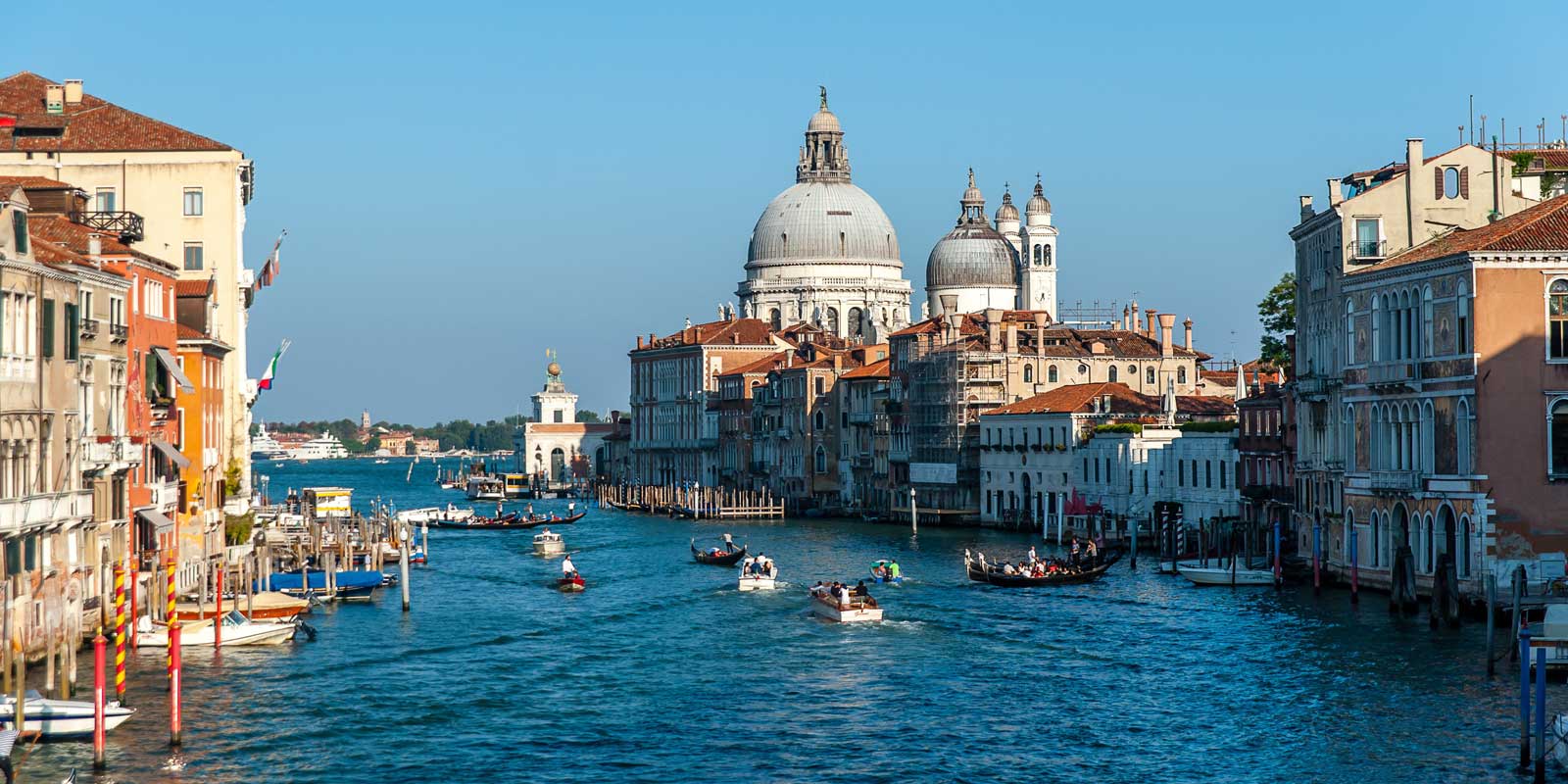
There is one city in the world that is built on the water: Venice, with its intricate network of canals, islands, narrow calli, and centuries-old architectural treasures, suspended above a vulnerable lagoon. Its beauty is real, but equally as real is its fragility.
With rising water levels, erosion, mass tourism pressures, and environmental shifts taking their toll on its foundations, responsible travel has become more than a preference; it is a necessity.
Sustainable travel in Venice shows visitors how to deeply enjoy the city while actively contributing to its preservation.
This guide explores how travellers can make thoughtful choices by staying in eco-friendly accommodations, supporting local artisans, choosing slow and low-impact movement through the city, and engaging respectfully with the lagoon ecosystem.
It follows the principles of expert-led sustainable tourism frameworks, as well as recommendations from Venice's own official sustainability communications.
Unmissable Venice Tours
Understanding Sustainability within the Venetian Context
The Fragility of the Lagoon Ecosystem
The Venetian Lagoon is alive, formed by tides, sediment, salt marshes, and centuries of human intervention. Lagoon management has become a sensitive science now that rising sea levels and shifting currents-let alone the increasing frequency of high-tide events-could make this fragile ecosystem even more threatened.
Protecting such an environment means first reducing the stress that everyday visitor behavior places on it-particularly around high-density zones near St Mark's Square, the Grand Canal, and the surrounding sestieri.
Ecological stress occurs in the form of boat traffic, accumulation, and erosion of shorelines. The sustainable tourist must realize that every step and every move has consequences.
Challenges of Mass Tourism
Venice sees millions of visitors every year. The day-trippers tend to be concentrated at some easily predictable locations that include the Ponte di Rialto, Doge's palace, St Mark's Basilica, and Bridge of Sighs. Consequently, there is unparalleled pressure on the narrow infrastructure. The amount of refuse disposed increases manifold during the peak hours. Noise and congestion arise even in residential neighbourhoods such as San Polo Venice, Dorsoduro Venezia, and Cannaregio Venice.
Ecotourism reduces the burden of these hotspots by dispersing tourism over a wider area, with less touristy spots, longer stays, and slower, more respectful movements.
Principles of Sustainable Travel in Venice
Key principles shaping responsible travel include
Slow travel: fewer attractions, more immersion.
Supporting locals: this means opting for family-run hotels, markets, and artisan workshops.
Reduce waste by avoiding single-use plastics, carrying reusable bottles, and availing of drinking water fountains in Venice.
Respect residential areas: Do not make noise or crowd into the bridges, such as San Pantalon or silent calli around San Francesco della Vigna.
Explore beyond the hotspots: visit Burano Island Venice, Torcello, Giudecca, Island of San Michele, or green corridors in Castello.
Eco-Friendly Accommodation in Venice
What is an eco-friendly hotel in Venice?
The most responsible hotels in Venice meet standards involving:
Reduced water consumption systems
Energy-efficient lighting and heating
Waste-sorting and recycling protocols
Green building refurbishments in respect of architectural heritage
Sourcing of local materials in restorations
Limited capacity to prevent overtourism pressure
They relieve the burden on historic buildings and avoid disturbing the areas around famous landmarks, such as Santa Maria Dei Miracoli, Santa Maria Assunta Church, or Ca' Pesaro Gallery.
Types of Eco-Friendly Accommodation Recommended
The following options are often chosen by sustainable tourists:
Boutique hotels in restored palazzi near Zattere or Dorsoduro Venezia
Guesthouses in traditional neighbourhoods
Heritage buildings retrofitted with renewable-energy solutions
Small family-run inns contribute to the local economies.
Centring the stay near vaporetto hubs, like Santa Lucia Station, reduces the need for private transportation.
How to Choose Responsibly
The visitor can confirm sustainability by:
Checking for green certifications
Read transparent hotel sustainability policies
Choosing local ownership over international chains
Verifying water-reduction and waste-management practices
This helps to keep tourism money inside Venice, contributing to the restoration of landmarks such as Scuola Grande di San Rocco and Fondazione querini stampalia.
Supporting local artisans and traditional crafts
Why Artisan Support Matters
Artisan culture in Venice perpetuates tradition. The purchase of local products will enable protection of craftsmanship in:
Museo del Merletto traditions of lace
Woodworking associated with gondola building
Handmade ceramics, textiles, and masks
This supports artisans and assists them in combating imported counterfeits.
Key Craft Traditions to Investigate
The crafts include:
Murano Glass Museum artisans shaping molten glass.
Burano lace-making ateliers
Below: traditional leatherwork, jewellery and fabric artisans around Santa Croce Venice.
Mask-making studios linked to Venice Carnival
Woodcarving workshops associated with gondole and Traditional Boats of Venice: the Complete Guide
How to Identify Legitimate Manufacturers
Real Venetian workshops:
Invite visitors inside to observe production
Explain sourcing of local materials
Are usually family-run
Avoid mass-produced displays
Authenticity is always in focus when the shops are near Ca Mocenigo Venice, Palazzo Grimani, or Palazzo Grassi.
Responsible Purchasing Tips
Choose small meaningful items
Buy works made from lagoon or regional materials
Enquire about production methodology
Support cooperatives or fair-trade artisan collectives
Low-Impact Itinerary Ideas
The Slow-Travel Approach
Responsible travel invites the visitor to explore Venice not through rapid consumption but rather through quiet immersion. Rather than racing between St Mark's Campanile, the Accademia gallery or Peggy Guggenheim collection, travellers can spend hours absorbing one district's rhythms.
Traffic-Free Browsing
Walking is still the most sustainable-and rewarding-way to get around San Marco Venice, Santa Croce Venice, or quieter routes toward The Arsenal of Venice. Taking vaporetti rather than motor taxis decreases water turbulence that damages the edges of the lagoon.
A Sustainable One-Day Plan
Morning: Wander through a quiet district, such as Castello, and stop in at tiny cafes for fresh-baked pastries from the local bakers.
Noon: Spend time in artisan workshops: for example, learn about lace on Burano Island, Venice, or observe glasswork near Murano Tours departure points.
Afternoon: Consider a visit to the Correr Museum or a walk towards Punta della Dogana to enjoy art outdoors.
Evening: Dine at a trattoria featuring seasonal Venetian dishes such as rice and peas, Risi e Bisi, or Venetian Liver and Onions, Fegato alla Veneziana.
Three-Day Slow Itinerary
Day 1 - Historic Venice: Low-impact routes through San Polo and Dorsoduro, with stops at Ca' d'Oro, Museo Fortuny, or Ca' Rezzonico.
Day 2 – Lagoon Islands: Visit Murano, Burano, and Sant'Erasmo with environmentally friendly transportation.
Day 3 – Green Spaces & Markets: Visit quiet gardens, neighborhood squares, and Rialto Market and the Pescheria before taking a lagoon walk.
Best Venice Passes
Eating & Shopping Sustainably
Seasonal, Local Cuisine
Choosing dishes built around seasonal lagoon produce supports local farmers and fishermen.
Typical regional options include:
Venetian vegetables from Sant'Erasmo
Fresh seafood from the lagoon
Handmade biscuits like il Baicoli
Traditional sweets like Frittelle di Toni Trolese or Crema Fritta
Sustainable Shopping Options
Of note to the visitor:
Farmers' markets
Zero-waste shops
Artisan boutiques
Local bakeries
In areas surrounding food shops and markets, most specifically around Off the Beaten Track in Venice itineraries, shoppers can find genuine goods.
Ethical Dining Practices
Avoid high-turnover mass-tourism restaurants
Eat at smaller, locally-owned restaurants
Discover food tours in the neighborhoods, such as those from Venice Food Tours.
Respect local dining rhythms.
Respectful Tourist Behavior That Protects Venice
Waste Reduction & Responsible Consumption
Responsible travelers carry reusable water bottles, take advantage of public fountains, and avoid disposable products. Because of narrow alleys and canal logistics, Venice has a very specific system when it comes to waste.
Mindful Movement in Residential Areas
Visitors should walk quietly and not crowd at small bridges; they should also not disturb the domestic life at such points as San Giovanni Crisostomo, San Zulian Church, or Santa Maria Dei Carmini.
Knowing Local Rules
Respect means following the rules of public transport, observing restricted areas on the lagoon, and adhering to established norms during Acqua Alta.
Responsible Interaction with the Lagoon
Learning about the Lagoon
Educational walks, lagoon ecology tours, or cultural programs guided by locals can be joined. These will show how agriculture, tides, and marine life shape the city.
Low-Impact Water Activities
Eco-friendly boating options include: Hybrid or electric boat tours Responsible kayaking Tranquil paddle routes off Venetian Lido.
Visiting Agricultural Islands
These may include vineyard visits, agricultural experiences, and tastings of local, small-scale produce on islands such as Sant'Erasmo or Pellestrina.
Visitor Information & Ticket Details
Visitor Information
Opening Hours: Many of the historic landmarks, museums, and accommodations of Venice follow standard European hours of opening: from 09:00 to 18:00.
In residential neighborhoods and on the smaller islands, local cafes, artisan workshops, and accommodation counters may open earlier, around 07:00-08:00, and some of them remain open later into the evening, especially during high season.
Note that seasonal variations apply: during winter months, certain services may close earlier, although summer evenings may extend the hours of cafes and local tours.
Best Time to Visit: For those seeking a more sustainable experience, the shoulder seasons-early spring (March-April) and early autumn (September-October)-bring milder weather, fewer crowds and lower accommodation rates.
Travellers staying three or more nights contribute to lower-impact tourism by avoiding same-day turnovers and supporting local businesses.
Visiting neighbourhoods outside the central tourist loops after midday also diminishes pressure on the St Mark's Square zone and encourages exploration of lesser-known sestieri.
Dress Code & Entry Rules: Venice is both a city of heritage and of neighbourhood life. Modest dress (covered shoulders and knees) is a good rule for entering churches, visiting gondola squeri, artisan workshops, and restaurants in more formal districts; housing zones and local food markets present a more casual but respectful dress code.
Private viewings and guided tours will often need to be booked or signed up for in advance; visitors should always carry some form of ID, and pay attention to various posted regulations, such as "no food on church steps" or "no cycling across bridges".
Ticket Information
No general entry ticket is required for most public neighborhoods, green spaces, or non-ticketed artisan visits. However, some museums may demand separate entry tickets, as may certain palazzi or island-ferry services. Recent regulatory changes also brought in a day-visit contribution fee, collected on particularly high-traffic days and put toward conservation; visitors should check official city platforms for the most up-to-date requirements. Accommodation taxes are applied per night for overnight stays.
Online Booking: Online booking in advance is strongly advised for boutique hotels with eco-credentials, guided artisan workshops, and sustainable walking tours of lesser-visited neighbourhoods.
Booking early ensures access and also helps responsible tour operators better manage group sizes and the impact on local neighbourhoods. Many sustainable hotels or guesthouses list “green” accreditation on their websites.
Guided Tours: Licensed local guides offer tours focused on sustainability, such as neighbourhood walking experiences, visits to artisan workshops or low-impact boat rides. These often focus on slow travel, local engagement and a minimal environmental footprint.
Small-scale tours tend to support better visitor experiences and help reduce stress on the city's infrastructure; large coach-based excursions should be avoided.
Our Recommended Tickets Accommodation
Exclusive Custom Boat Tour to Murano, Burano & Torcello
Unforgettable Classic Venice Photography Portrait Session
Interpreti Veneziani Concert & Visit To The Music Museum
Leaving a Positive Impact
Contribute to Local Initiatives Travellers can contribute to lagoon-protection groups, heritage-preservation foundations, or cultural associations related to landmarks like The Venice Biennale or Venice International Film Festival initiatives.
Off-Peak Exploration
Visiting in shoulder seasons helps decrease crowding around popular attractions, such as Venice Nightlife, Harry's Bar Venice, or Gran Caffè Quadri Venice.
Long-Term Cultural
Learning Workshops, lessons, and courses offered in traditional crafts create meaningful rather than extractive experiences.
Best Venice Entry Tickets
Conclusion
It is not just possible to travel more sustainably in Venice; it's the most rewarding way to see the city. By choosing eco-friendly accommodations, supporting local artisans, eating seasonally, and slowing your pace-on foot or vaporetto you will help protect the lagoon's delicate ecosystem and Venice's cultural identity.
With every act of conscious choice, a traveller contributes to the preservation of the life of landmarks such as The Winged Lion of Venice: Symbolism and History Explained, keeps the artisan traditions alive from Murano to Burano, and maintains community vitality across San Marco, Castello, Cannaregio, and into the lagoon islands.
To travel to Venice in a sustainable way is to experience it as Venetians hope future generations will: respectfully, thoughtfully, and with deep appreciation for a city that still casts its spell upon the world.