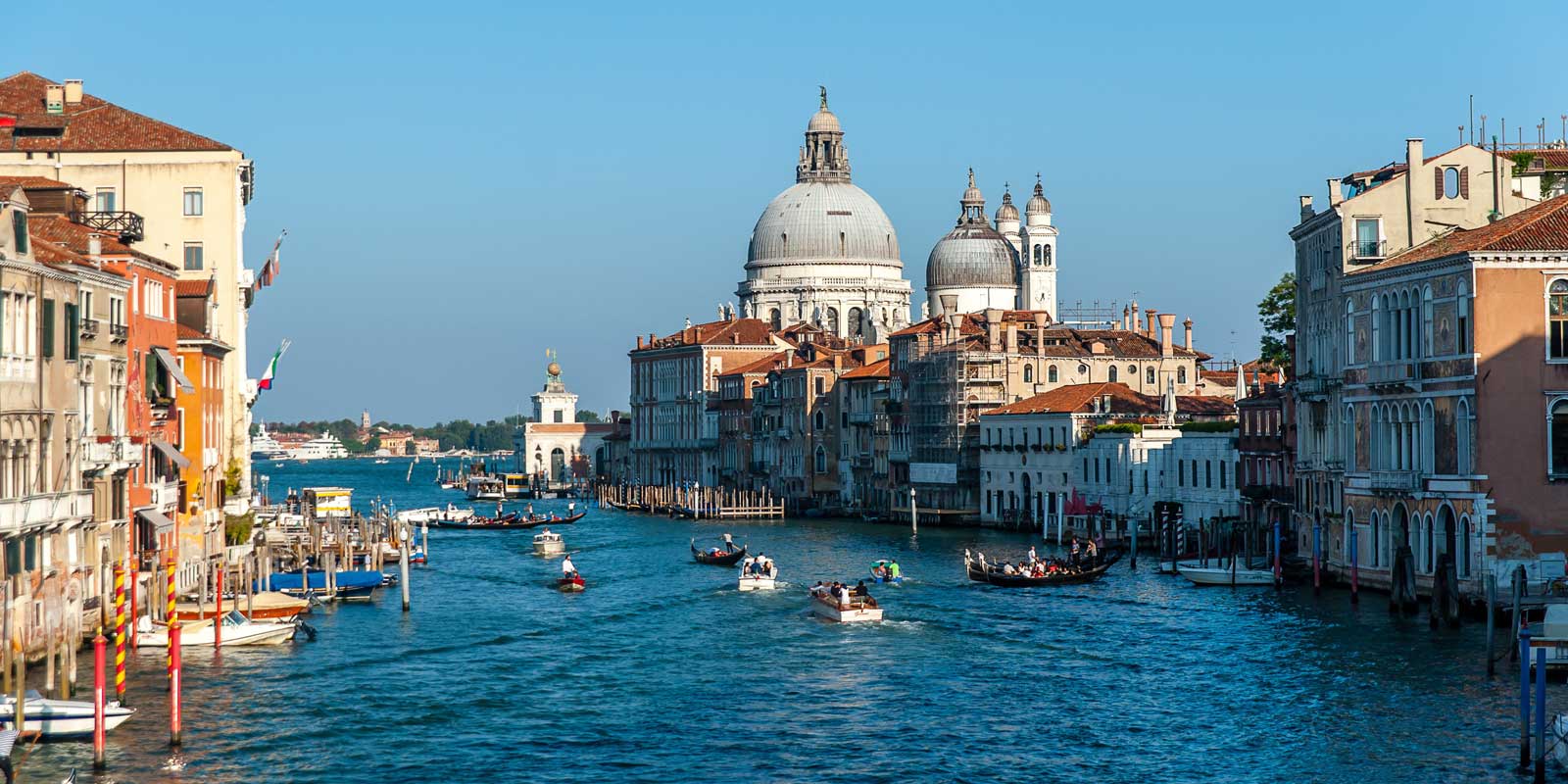
Venice on a Budget: 24-Hour Low-Cost Itinerary, Free/Low-Cost Attraction, Off-Peak Transportation Hacks
While Venice is widely celebrated as one of the most romantic destinations in the world, it's equally famous for high prices, tourist surcharges, and premium experiences that seem to quickly deplete a travel budget. Many travelers enter the city with the expectation that a visit requires luxury gondola rides, waterfront dining, and centrally situated hotels.
A more realistic approach, however, uncovers how it might be possible to experience Venice both meaningfully and richly on a meager budget.
The veritable labyrinth of alleys, canals, bridges, and neighborhoods that comprises the city offers an array of experiences that are either extremely low-cost or entirely free, presenting authentic Venetian life without excessive spending.
This article provides a full 24-hour itinerary on a budget, targeted at travelers who want to take in the best of Venice without breaking the bank. It details how to combine free walks, low-cost meals, smart transport strategies, and inexpensive viewpoints with timing hacks that reduce unnecessary expenses.
Additionally, the guide goes through some pre-arrival booking strategies, flight and rail savings, and anti–tourist-trap advice that helps travellers navigate Venice's high-demand environment while keeping costs as low as possible.
Ultimately, regardless of its reputation for high prices, Venice remains accessible to budget-conscious visitors who plan wisely, arrive during off-peak periods, and take advantage of the city's walkability, public transport, and abundant free sights.
Unmissable Venice Tours
Planning and Transport Hacks Before Arrival
An affordable trip to Venice begins not in Venice itself, but weeks or months in advance of arrival. Those who prepare-primarily by checking fares, avoiding peak tourist seasons, and selecting strategic accommodations-are far more likely to remain within an affordable budget.
Finding the cheapest flights and trains
Travelers should first compare a variety of sources for fares: comparison platforms for airlines, local operators of trains, and pricing apps that track drops. Probably one of the biggest aids in determining when flights or rail tickets go on sale-especially if travelers have a bit of flexibility in travel dates-is price alerts.
In the scenario that flights to Venice Marco Polo Airport seem prohibitively expensive, nearby airports such as Treviso and Verona offer considerably cheaper flights, especially from major European cities. These airports connect, via affordable regional buses and trains, right to Venice's main entry points at Piazzale Roma or Santa Lucia Station.
The same applies to train travelers: early purchase is the key. Quite often, Italy's rail operators offer considerably discounted fares for their customers who have booked well in advance, especially for routes arriving very early in the morning or late into the night. For travelers who don't mind such unconventional hours, quite substantial sums can be saved by selecting off-peak transport windows.
Off-peak timing and seasons
Budget travelers also make the most of traveling during the shoulder periods, late spring and early autumn, when hotels reduce their prices due to fewer tourists arriving. The temperature is also warm yet pleasant enough to explore outdoors during this time.
Also, the visitors who arrive in Venice early in the morning or late at night have a lesser effective cost of accommodation since the traveler enjoys more waking hours within the window of 24 hours without paying extra for an added night.
Travelers who manage to enter the city at dawn enjoy quieter streets, calmer waterways, and uncrowded views of iconic landmarks-precisely the atmosphere many visitors come here seeking.
Accommodation strategies
While the centre of Venice is no doubt charming, it's often one of the most expensive places to sleep. For budget travellers, better value can often be found staying on the mainland-in Mestre, Marghera, or other nearby zones-where accommodation rates are significantly lower. Public buses and trams run frequently to Piazzale Roma, making it simple to enter Venice without paying high hotel premiums.
Even in the historic centre, small guesthouses or more basic B&B-style places to stay, located in Cannaregio or Castello, are significantly cheaper than hotels near St Mark's Square. When searching through listings, travellers should make sure the place includes a breakfast option, as this will preclude having to buy a morning meal in one of Venice's cafés - many of which charge premium prices around touristy areas.
Affordable ways of getting around Venice
Venice is one of the most walkable cities in the world. Most visitors can get around big parts of the historic centre without resorting to boats or taxis. Walking is not only budget-friendly but also highly rewarding; it permits travelers to take in views of architectural details, artisan shops, residential courtyards, and quiet canals that may be skipped over when traveling by transport.
For longer distances or lagoon crossing, mobility by vaporetto - or public water bus - is extremely reasonable. The 24-hour pass should be bought by those tourists who plan to take quite a few boat rides; otherwise, single tickets will suffice. It is advisable to avoid private water taxis at all costs since these tend to be very expensive. Booking the vaporetto passes online or looking for multi-use discounts cuts the prices further.
Free and Low-Cost Attractions: Morning to Midday
Some of the most memorable experiences in Venice come with no entry fees. Visiting the churches, bridges, piazzas, waterfronts, and narrow alleyways can take several hours without spending one euro.
Free walking routes
Tourists make their way from Santa Lucia Station by back-alley routes toward Cannaregio, the least touristy quarter in Venice. From there, walking southward leads to smaller bridges, quieter canals, and streets of residences where life moves a bit more slowly. These eventually connect to such sights as the Rialto Bridge or Piazza San Marco, both of which can be admired freely from the outside.
Walking through Venice is a history and culture tour in itself. The architecture of the city, its maritime heritage, and especially its ambient charm are best appreciated by wandering through its less-visited corridors.
Inexpensive historical monuments
Several small churches in Venice have modest entry fees. Travellers can decide to visit one or two so that they may enjoy the religious artistry of Venice without having to break their bank account.
Second, some of Venice's museums offer free entrance days and discounted evening entrances. Planning visits according to special times means a guarantee that the traveller will attain depth in culture without having to use more than what is necessary.
Markets and public spaces
The area around the Rialto Market is alive with locals shopping for fresh produce, seafood, and regional goodies. Travelers on a tight budget can stock up on inexpensive lunch items here-such as fruit, bread, or small snacks-and piece together an affordable picnic by the water. Venice's public benches, parks, and canal-side steps were practically designed for picnics and people-watching.
Affordable snacks and street foods
Bars offering cicchetti, the traditional Venetian small-plate eateries, allow visitors to try a variety of local specialties without having to pay full restaurant prices. Pastries, breads, and savory items from street-side bakeries also are good options for low-cost breakfasts or snacks. Gelato stands and fruit vendors offer wallet-friendly treats that round out midday exploration.
Best Venice Passes
The 24-Hour Budget Itinerary
Below is a complete 24-hour guide to seeing Venice on a budget.
08:00 – 12:00: morning arrival, sightseeing: Budget travellers should arrive early to maximize their time without the necessity of multiple nights of accommodation. Upon arrival at Santa Lucia Station or Piazzale Roma, travellers can walk directly into Cannaregio, avoiding heavy crowds found near Rialto in the mid-morning.
Following the canal views and neighborhood squares, one can get a simple pastry and coffee for a very low cost from a local bakery. The next step may involve viewing a low-cost church or taking in free landmarks from the outside, such as the façade of St. Mark's Basilica.
12:00 – 15:00: Lunch and midday activities: Bars serving cicchetti and panini shops offer low-budget options for lunch, and with these options, costs are never too high. It's not costly at this stage to go on one vaporetto ride up and down the Grand Canal, with views of palaces and bridges without the price of a private boat.
During the afternoon, the travelers can visit some low-budget museums or participate in walking tours at subsidized costs. Voucher codes and online promotions bring down the cost of guided experiences considerably.
15:00 – 18:00: Afternoon value hours: Later in the afternoon, the crowds clear up for the most part, offering a good time for visits to small islands, neighborhood gardens, and quiet alleys. Enjoy inexpensive snacks—gelato or fruit—while in non-tourist areas. Then, take time to rest by the water, enjoy contemplative moments, and truly relish the ambient Venetian life without extra spending.
18:00 – 21:00: Dinner and evening experience: Budget diners should look for restaurants away from the main squares for dinner. Many have set menus or fixed-price meals, which can be an excellent value compared to a la carte options near tourist centers.
Afterwards, there's no charge at all for walking along the city's evening-lit waterfront and taking in the extraordinarily atmospheric sights and sounds. For a very cheap alternative to the gondolas, a traghetto ferry offers a short ride across the Grand Canal for a fraction of the cost.
21:00 – Late evening: Overnight guests can retire to a budget guesthouse. Late-night departures may continue to wander night-time alleys of Venice, enjoying gelato or a simple drink before the close of day.
Money-Saving Tips and Smart Travel Hacks
Attention paid to timing, location, and local customs will provide ample opportunities to economize during a visit to Venice.
Ticket bundles and multi-use passes
The Venezia Unica city pass or other multi-attraction tickets offer bundled discounts for museums and public transport. The 24-hour vaporetto pass becomes cost-effective only for travellers who plan multiple rides in one day.
Avoiding the tourist-trap pricing
Cafés set up in front of the big piazzas invariably stick on huge surcharges. Head to quiet backstreets or bars in residential areas, and the cost of food and drinks drops dramatically. That said, travellers should also bring refillable water bottles and fill them from Venice's public fountains to avoid buying bottled water all over the place.
Free Tours And Local Events
Free walking tours provide cultural and historical context without requiring more than a tip for payment. Notice boards in hostels, cafes, and guesthouses often carry advertisements for free lectures or community events which travelers can participate in at low cost.
Booking hacks
Fare trackers for flights and trains can be used to alert travelers of price drops. Many travel websites also offer packages that combine accommodation and transportation at reduced rates. Traveling light avoids the added baggage fees, and you can also book cheaper accommodations that have smaller rooms.
Timing your visit
Visiting Venice during the week instead of on the weekends will normally bring lower prices. Early arrivals also help travellers avoid peak surcharges on certain transportation options, as well as provide a calmer city atmosphere.
Visitor Information & Ticket Information
Visitor Information
Opening Hours: With the exception of the most important tourist attractions and public transportation, most of the city and its public areas are accessible at all hours. The public vaporetto network runs, for instance, from about 4:30 am to 12:30 midnight on most routes. Headout For museums and major monuments, typical opening hours are from 9:00 am-or thereabouts-until late afternoon or early evening on most days.
Best Time to Visit: The best time to visit Venice on a budget is during the shoulder seasons, which includes the months of March, April, October, and November, during which time the rates of accommodation go down, and tourists are not as many. Arriving early in the morning or on week-days further reduces cost and queue time.
Dress Code and Entry Rules: While there are no formal dress codes on Venice's public walkways and canalsides, most church and some monument entrances do expect visitors to cover their shoulders and knees and refrain from wearing sleeveless tops.
Public transportation utilizes tickets, which must be validated; fines could be imposed without proper validation. Eating outside food is generally permitted on the water buses, though large luggage and late boarding are prohibited.
Ticket Information
Public transportation tickets such as ACTV vaporetto passes are an affordable way of getting around and need to be included in a low budget visit. Museum and attraction tickets - prices vary, and the budget traveler is advised to select a few low-priced monuments rather than paying much for full-priced entrances.
Online Booking: Early booking, mostly done online, secures better pricing and discounted passes. Transport or museum tickets bought through official websites very often also come bundled with promo codes or easier validation. Budget travel sources also suggest making use of alert tools and fare trackers on flights and accommodation to lock in low rates in advance.
Guided Tours: There are many walking tours of Venice, which have no fixed high fee but rely on a voluntary tip from participants at the end; these also provide local guides and value for money. Otherwise, more structured tours or skip-the-line access should be pre-booked on the internet to avoid full walk-in rates.
Our Recommended Tickets
Canal Grande Gondola Experience & Gondola Gallery
3 Hour Essential Venice: Capture the City’s Soul - Photowalk
Private Trip to Murano, Burano & Torcello with Local Guide
Practical Considerations and Cost Breakdown
Budget travel requires some serious planning, but the results are very satisfying when it is done right.
Sample budget for 24 hours
While actual prices can vary, a rough estimate of €100-€150 usually provides an accurate target that one can work within. This estimate includes budget accommodation on the mainland, vaporetto transport, snacks, meals, and the odd inexpensive entry fee.
Staying safe and comfortable
Travelers should always bring with them a light daypack with water, snacks, and all documents. Public transport ticket validation will avoid any fines, while offline maps negate the need for expensive data roaming. Venice is generally an extremely safe city, but visitors should equally be watchful of their belongings in crowded areas.
Prioritising spend
A little splurge—like a low-cost museum entrance or a view from a rooftop—can greatly enhance the overall experience without blowing the budget. Everything else can be cost-effective without diminishing enjoyment.
Best Venice Entry Tickets
Conclusion
Venice's reputation for high prices need not deter the traveler from experiencing its charm, history, and beauty. With thoughtful planning, strategic booking, careful timing, and the readiness to explore on foot, one will view Venice in all its glory while remaining comfortably within budget.
The 24-hour itinerary here offers a workable blueprint by which visitors can inexpensively appreciate the city's canals, markets, architecture, culture, and food.
Above all, Venice rewards the traveler who embraces simplicity, walks its less popular pathways, and concentrates on meaningful experiences rather than expensive extras. Through smart choices and mindful spending, Venice is not only accessible but deeply memorable, proving that even the world's most iconic cities are able to be enjoyed without overspending.