Balotina
Explore Venice through iconic landmarks, local stories, practical guidance, and hidden gems.
Local Highlights Travel Tips Must-See
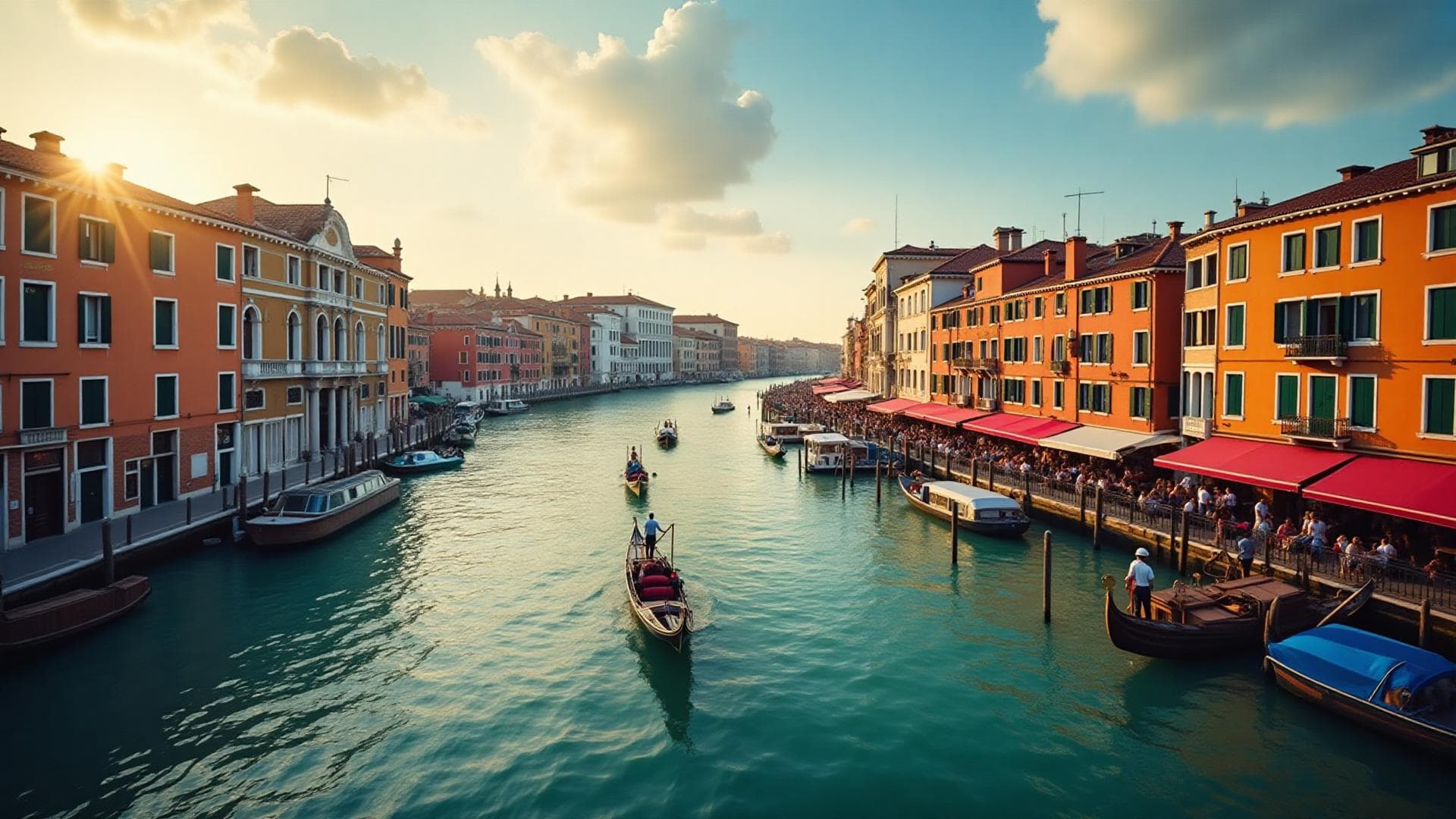
Explore the charm of Venetian boats, from iconic gondolas to traditional lagoon vessels that define Venice’s history, culture, and unique way of life.
Explore Venice through iconic landmarks, local stories, practical guidance, and hidden gems.
Explore Venice through iconic landmarks, local stories, practical guidance, and hidden gems.
Explore Venice through iconic landmarks, local stories, practical guidance, and hidden gems.
Explore Venice through iconic landmarks, local stories, practical guidance, and hidden gems.
Explore Venice through iconic landmarks, local stories, practical guidance, and hidden gems.
Explore Venice through iconic landmarks, local stories, practical guidance, and hidden gems.
Explore Venice through iconic landmarks, local stories, practical guidance, and hidden gems.
Explore Venice through iconic landmarks, local stories, practical guidance, and hidden gems.
Explore Venice through iconic landmarks, local stories, practical guidance, and hidden gems.
Explore Venice through iconic landmarks, local stories, practical guidance, and hidden gems.
In Venice's heart, a city whose spirit is water and not road, boats are as much a sign of its cultural and historic past as to its means of transportation.
From the elegant slipstream of the gondola to the practical minimalism of the barchin, the Venetian Lagoon is a refuge to a rich diversity of boats that nourish the city's rhythm and joy. These are not implements—these are fragments of afloat history, art, and celebration.
This book delves into the mythic gondola and many other lesser famous but equally stunning antique Venetian boats, their dramatic appearance, their cultural significance, and ongoing presence in today's Venice.
Best Group Walking Tour
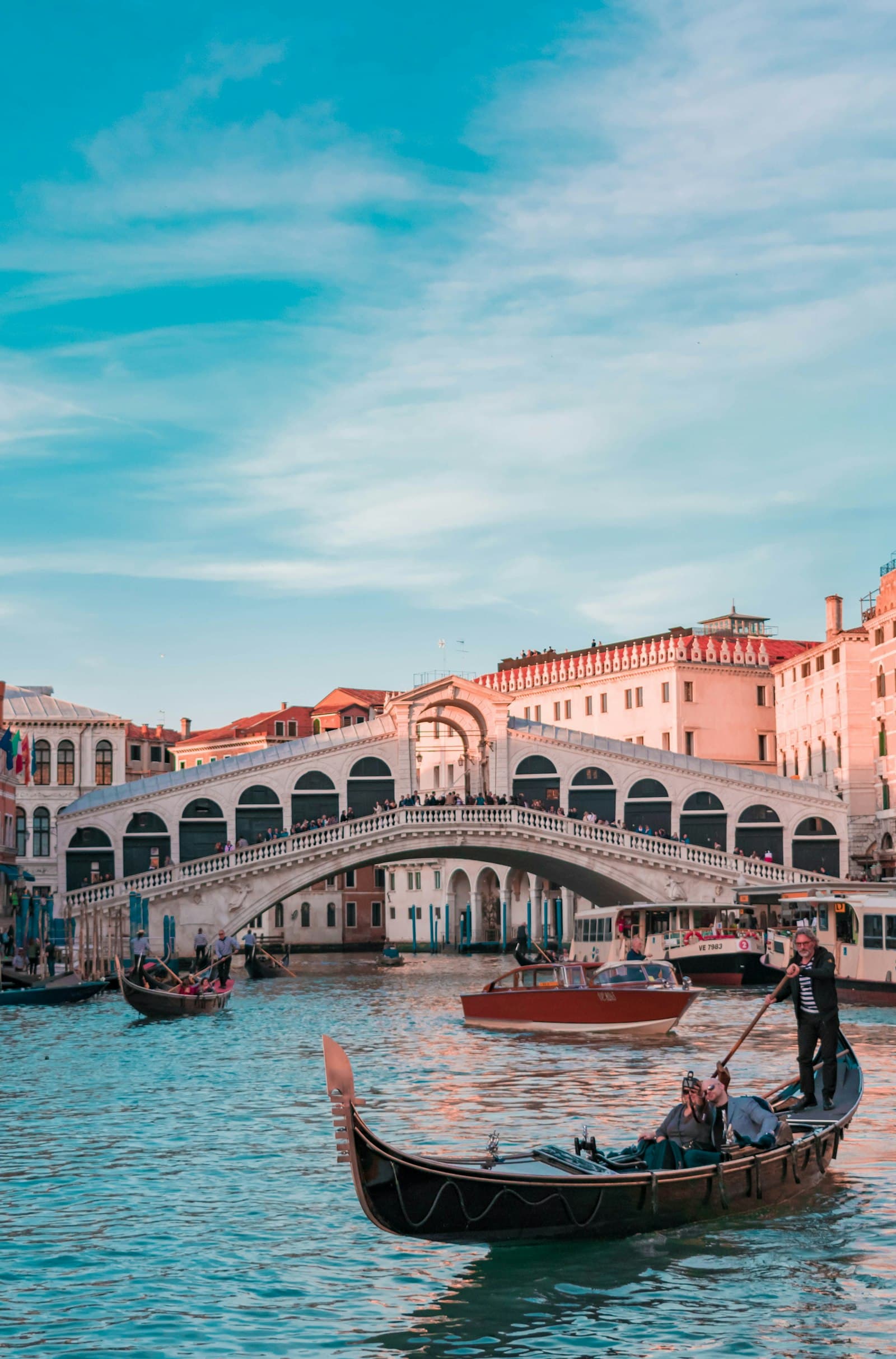
The gondola is perhaps the most evocative of Venice's symbols, a city renowned for its watery veins and very long-established marine tradition. This elegantly curved, streamlined boat has graced the city's canals at least since the 11th century in its early life as a practical mode of private transportation for Venetian high society.
Since then, it has evolved into an advanced icon of tradition, artisanship, and romance. With its characteristic asymmetry, the gondola is broad and flat at the bottom to allow a smooth glide along shallow water and curved on one side to counteract the weight of the gondolier, allowing it to travel straight even when it is rowed on one side.
Each gondola is originally blacked out and usually followed by elaborate carvings, upholstered seat section, and brass fittings. Most emblematic is the ferro di prua, the decorative metal figure at the bow of the gondola.
Not just for aesthetics, the iron prow is a symbol of the six sestieri (neighborhoods) of Venice, the Rialto Bridge, and the Grand Canal. Symbolism once again only contributes further to the gondola's centuries-long history of being attached to Venetian identity.
Gondoliers, the boatmen, are not oarsmen only—they are guardians of a venerated art. It requires stringent training, practical exams, and a profound knowledge of Venetian history and boat maneuvering to be a gondolier. The great majority of gondoliers are generations of craftsmen, and techniques and tricks are handed down from father to son.
Today, the gondola is no longer Venice's indigenous mode of transport, having been displaced by newer vaporettos and water taxis.
However, it continues to be a key part of Venice's ceremonial and tourist life. Tourists from all over the world visit Venice to ride in a gondola, sometimes with a serenade, along the most lovely courses of the city.
Others seek this experience in imitation settings such as The Venetian Las Vegas, with artificial canals and dressed-up gondoliers. However, nothing compares to the thrill of sailing under the Bridge of Sighs or floating past such icons as St Mark's Basilica and the Grand Canal on an actual Venetian gondola.
Though the gondola is the most celebrated of Venetian boats, it is far from being the sole one among scores of boats that compose the rich nautical tapestry of the Venetian Lagoon.
The existence and health of Venice during centuries depended on a heteroclite fleet of boats, each adjusting to the specific purpose of fishing, trade, ceremonial, and domestic use. These traditional lagoon boats are a blend of practicality of design and local expertise.
The Bucintoro was Doge of Venice's state barge, which was used for the well-known "Marriage of the Sea" ceremony—a ritual procession in which the Doge would cast a ring into the sea to renew Venice's ongoing marriage to the sea.
Bland in appearance, ornamented by plain carvings, and gold-lined, the Bucintoro was a floating emblem of political and naval dominance of the Republic. Though the original was lost to Napoleonic conquest, it lives in descriptions of history and replica ships that participate in ceremonial processions.
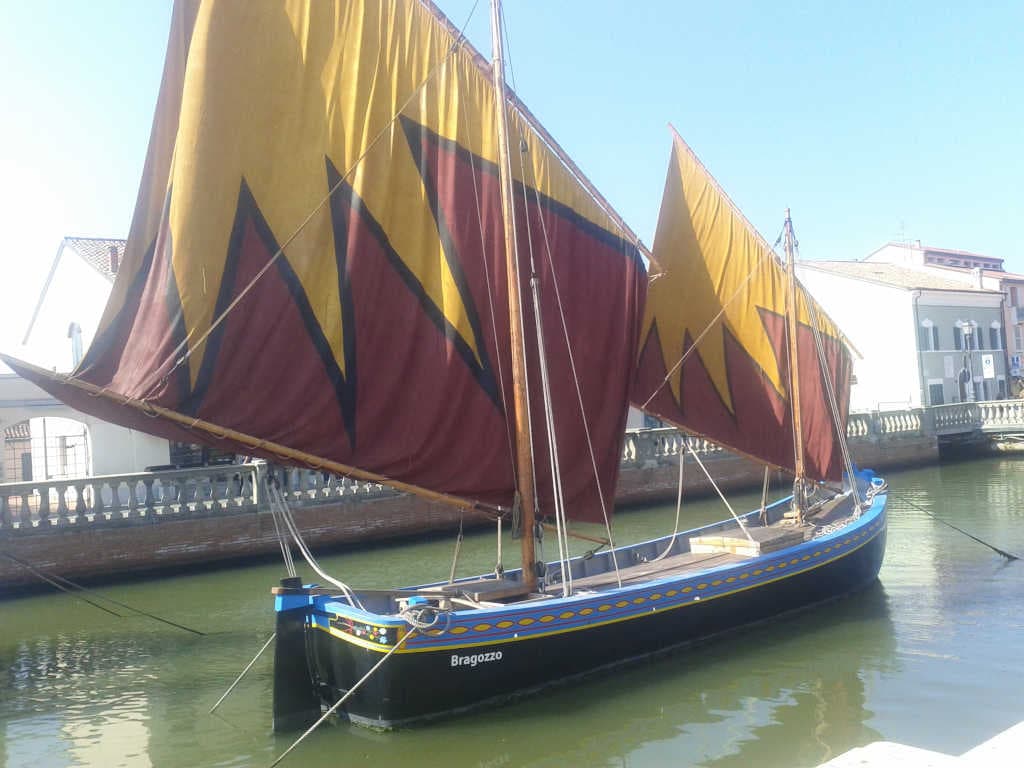
The bragozza is a flat-bottomed, broad-bodied boat that has traditionally been sailed by Adriatic traders and fishermen.
With its large hull and ornate sails, bragozza was designed to cut the open Adriatic as well as shallow lagoon waters.
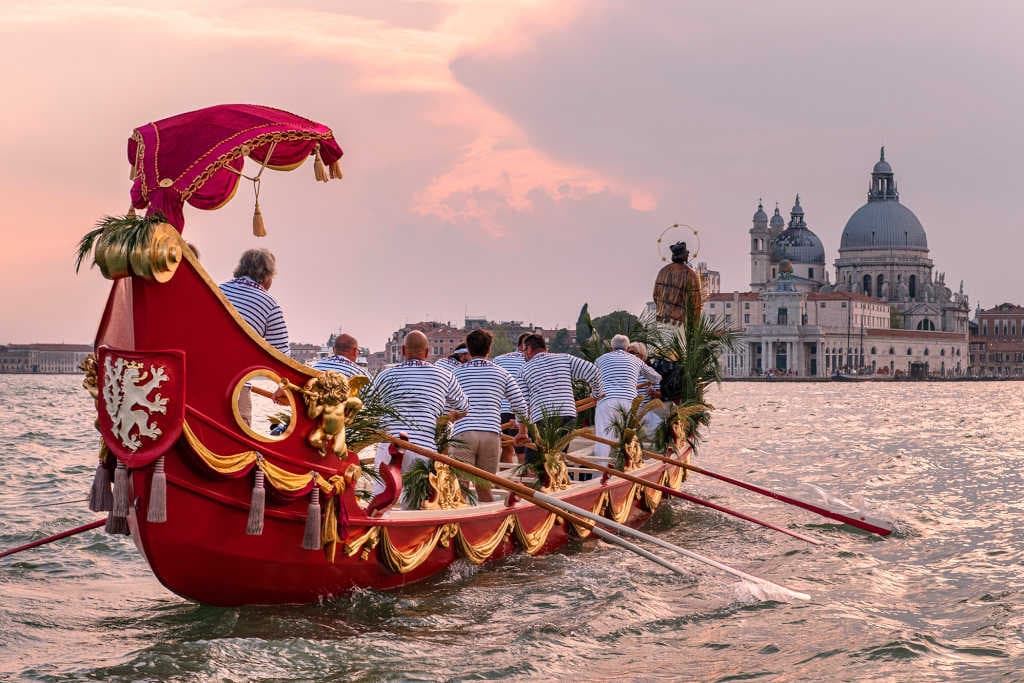
Renowned for its breadth and firmness, bragozza permitted subsistence and commerce for Venetian families. Some of the bragozze, returned to their former state, may be seen today at maritime festivals, still one-of-a-kind and full of culture. Bissona Used on a practical basis more frequently at regattas and other ceremonial processions, the bissona is an extremely ornated, festooned vessel.
Adorned with paintings, carvings, and statues of legendary or historical characters, the vessels are accompanied by costumed rowers, one of the spectacles of the Regata Storica and other aquatic processions, a working platform and a work of art to float upon.
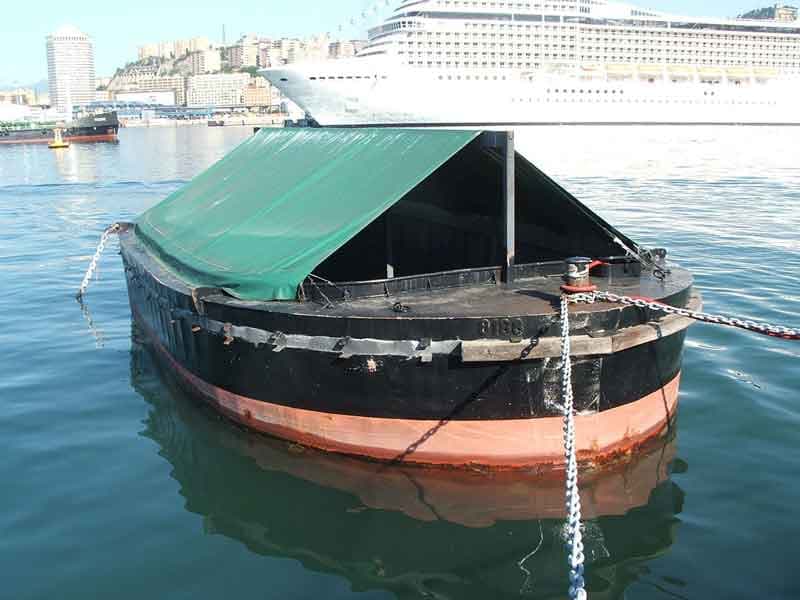
Used as the Venetian Lagoon workhorse, the bettolina is a flat-bottom cargo ship meant to transport bulk commodities. Its wide hull and heavy build made it best suited to carry foodstuffs, construction materials, and other commodities along the city's winding canals. Even though most bettoline today are engine-powered, its original design is still maintained in historic reenactments and ceremonial proceedings.
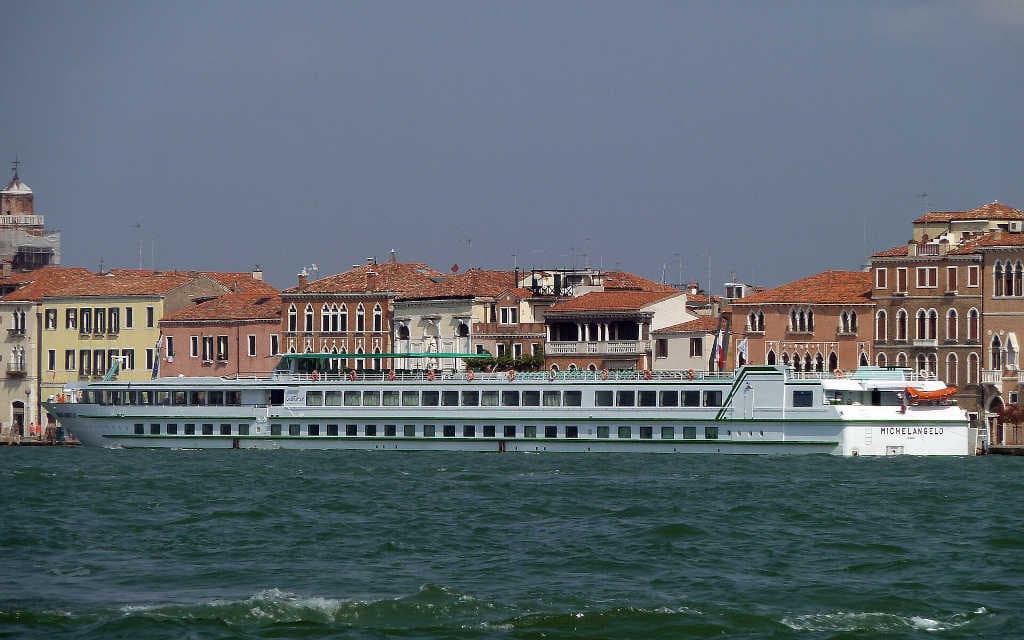
Not a conventionally traditional vessel, today's river cruise ship is now an integral part of the water landscape in Venice. They are built for comfort and environmental sensitivity and make slow, scenic journeys along the lagoon and up the Po River.
In place of the monster cruise liners currently forbidden from sailing near landmarks like St Mark's Square, these are smaller vessels offering a softer, more sustainable way of coming to Venice and the region.
The batela is a strong, traditional rowing boat formerly widely used by Venetian families for fishing, day-to-day carriage, and freight transport. Its efficiency and robustness of design—with a slightly curved hull—render it simple to row and extremely stable.
Although widely replaced in day-to-day use, the batela remains a feature of local regattas and is frequently employed by rowing clubs dedicated to the preservation of Venetian sea heritage.
The barchin is a small, light flatboat well suited to being pushed through very tight and very narrow canals. It is used virtually exclusively for trash removal work, gardening jobs on islands like the Giudecca, and lightweight cargo carrying. For all its plain appearance, the barchin is a valuable asset to the daily logistics of Venetian life.
As a boat that prioritizes speed and beauty, the balotina is an entertaining rowing boat of choice for holiday outings and traditional rowing regattas. Its sloping bow and open build enable it to slice cleanly through water, demonstrating the skill and dexterity of its rower. It is especially popular with civic regattas and remains a popular choice with young Venetian rowers.
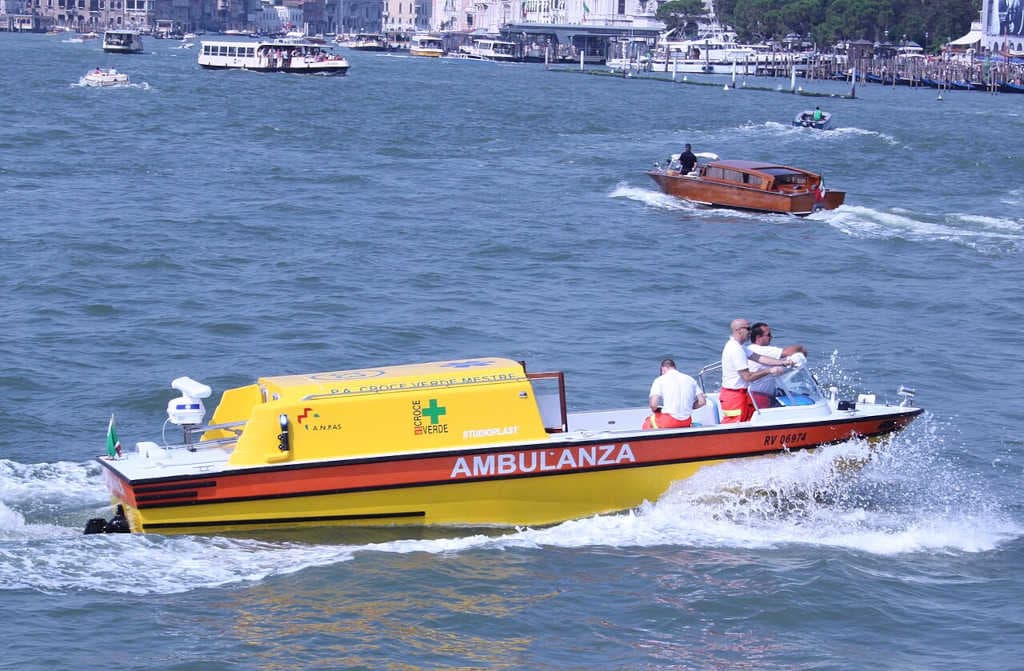
A Venetian innovation initially created to address the demands of modern healthcare, the water ambulance is an emergency vessel uniquely modified to mimic the application of a road ambulance.
Trained paramedics and at least medical equipment, these boats are utilized by the Veneto region's emergency services. Water ambulances ensure rapid medical response throughout the island city and outer lagoon settlements like Murano and Lido.
The hydrofoil is a Venetian innovation of the new millennium. Propelled by submerged wings that lift the hull above the water, hydrofoils jump over drag and offer quick passage across the lagoon to remote ports such as Trieste or Pula.
Less old-heritage-friendly than older boats, hydrofoils are popularizing because Venice is heading for cleaner, quicker, and cleaner forms of transportation.
Best Gondola Water Ride Tour
Venetian boat culture is deeply entwined with the institutions of the squeri—Venice's medieval boatyards.
One of the best known is Squero di San Trovaso, a centuries-old workshop in Dorsoduro.
Here, the boatbuilders, or squeraroli, spend their entire careers constructing and repairing gondolas and other traditional lagoon boats.
These craftsmen inherit a centuries-old tradition of Venetian boatbuilders, and their craft is the result of years of apprenticeship and on-the-job training. All the gondolas are handcrafted with meticulous care and may take months to complete.
The building process involves assembling over 280 individual pieces of eight different types of wood like oak for strength, elm for flexibility, larch for water resistance, fir for lightness, lime for being easy to cut, and cherrywood for ornamentation.
All the woods are chosen with utmost care not only because of their usefulness but also because they possess enough endurance to sustain the fluctuating environment of the lagoon.
Most distinctive of the gondola is possibly the forcola, an ornately carved oarlock that can support elaborate rowing movements. Every forcola is individually made by master craftsmen known as remerit and tailored to the height, rowing style, and personal style of the gondolier.
The functional and aesthetic beauty of the forcola summarize the revolutionary marriage of utility and art in Venetian boat construction.
This old-fashioned practice, so much in vogue nowadays, is more about maintaining intangible heritage rather than tending to containers. The techniques followed at the squeri have been passed down and protected by local guilds and cultural organizations.
The workshops are available for scholars, visitors, and sailing enthusiasts who want to witness an ancient and vanishing art form.
Opening Hours: Gondola tours in Venice are normally from 9:00 AM to 9:00 PM every day. The schedules are slightly adjusted according to the season, operator, and climate. Evenings are extended to late nights, particularly during summer, and occasionally by special request. Tourists can easily identify gondolas wherever tourist groups are dense like St Mark's Square, the Rialto Bridge, and along the Grand Canal.
Best Time to Visit: The ideal time for traveling and enjoying gondola rides and quintessential Venetian boat rides is spring (April to June) and early autumn (September to October). Weather is agreeable, canals are less busy, and the magical spell of the city is at its peak during these periods.
Sunset rides are especially à la mode for their serene ambiance and golden light, offering an exquisite and romantic view of Venice.
Dress Code and Admission Rules: Even though there isn't an official dress code for a gondola ride, the guests are advised to employ smart casuals for ease as well as photography. For more formal or celebratory-type attire, visiting locations such as the Historical Regatta or boatyards with historic buildings may be suitable.
The access to certain areas, particularly workshops or event stages, may be through pre-booking or special permits. Pre-booking consultation with certain operators is advisable.
Ticket Charges: Gondola ride fares in and around Venice are uniform but not the same based on the service provider.
A typical standard private tour (30 minutes) will cost approximately €80 during the day and rises to approximately €100 after 7:00 PM.
Group rides with the fare divided among users can be reserved from approximately €30 per individual based on demand and availability.
Viewing traditional boat festivals like the Regata Storica is usually free of cost from public venues, although grandstand seating or reserved planks may have to be purchased in advance. Book in advance to avoid waiting too long, particularly during the peak tourist season, by booking online.
Reservation help is also offered by some of the hotels and gondolier associations through concierge service.
Guided Tours: For a glimpse into Venetian sea culture, there are a few tour operators that offer guided tours in the garb of gondola rides with explanations of history. There are packages that offer walking tours, boatyard tours, or tours behind the scenes of regatta preparation. They are for cultural tourists and come in multiple languages.
Recommended Tickets
Unmissable Kayaking Experience Tour in Venice
Best Exclusive Ticket and Tour to Doge Palace Venice
Exclusive Custom Boat Tour to Murano, Burano & Torcello
Given that ticketing is scarce during holiday and festival periods, an early booking is recommended to ensure that better times and seats can be reserved.
Boats are integral to the cultural heritage of Venice. Venice's favorite celebration, the Regata Storica, is staged every year along the Grand Canal and entails a procession of elaborately dressed-up historic boats.
The bissona, batela, and meticulously restored replicas of the bucintoro are crewed by personnel in historically dressed-up attire, recalling the glory days of Venice's maritime golden age.
In addition to grand regattas, boats have significant roles to play during neighborhood celebrations, weddings, and religious ceremony processions.
Water parades belong to neighborhood celebrations in which boats are adorned with floral arrangements, family banners, and Venetian colors. There are even boat procession funerals reflecting the city's centuries-old connection with the sea.
Therefore, Venetian boats are not merely functional—instead, they're art, social, and religious statements. They're mobile theatres upon which the life and character of the city, and the lives of its people, are exhibited day and night, joining past and present in every ceremonial journey.
As climate change, rising sea levels, and tourism pressures challenge Venice, the question arises—how can this unique boating culture adapt?
Innovations like electric boats, hybrid hydrofoils, and sustainable water taxis are increasingly adopted. Meanwhile, organizations and artisans advocate for the protection of traditional boats and squeri.
Preserving the EEAT principles of Expertise, Experience, Authoritativeness, and Trustworthiness means ensuring Venice’s nautical legacy is documented, respected, and handed down—even as modernity beckons.
Best Kayak Tour in Venice
From the poetic swoon of the gondola to the bettolina's workaday reliability, Venice's boats belong to her. They are a symbol of centuries of resilience, cunning, and survival.
Zipping across the Grand Canal, or enjoying a regatta on a hot summer afternoon, one can't help but think that Venice doesn't merely float on water—she inhabits it.
To be familiar with these boats is to be familiar with Venice itself: a city where the past is present with the past, and where every movement's wave brings the echo of tradition.