Secondi Piatti (Main Courses)
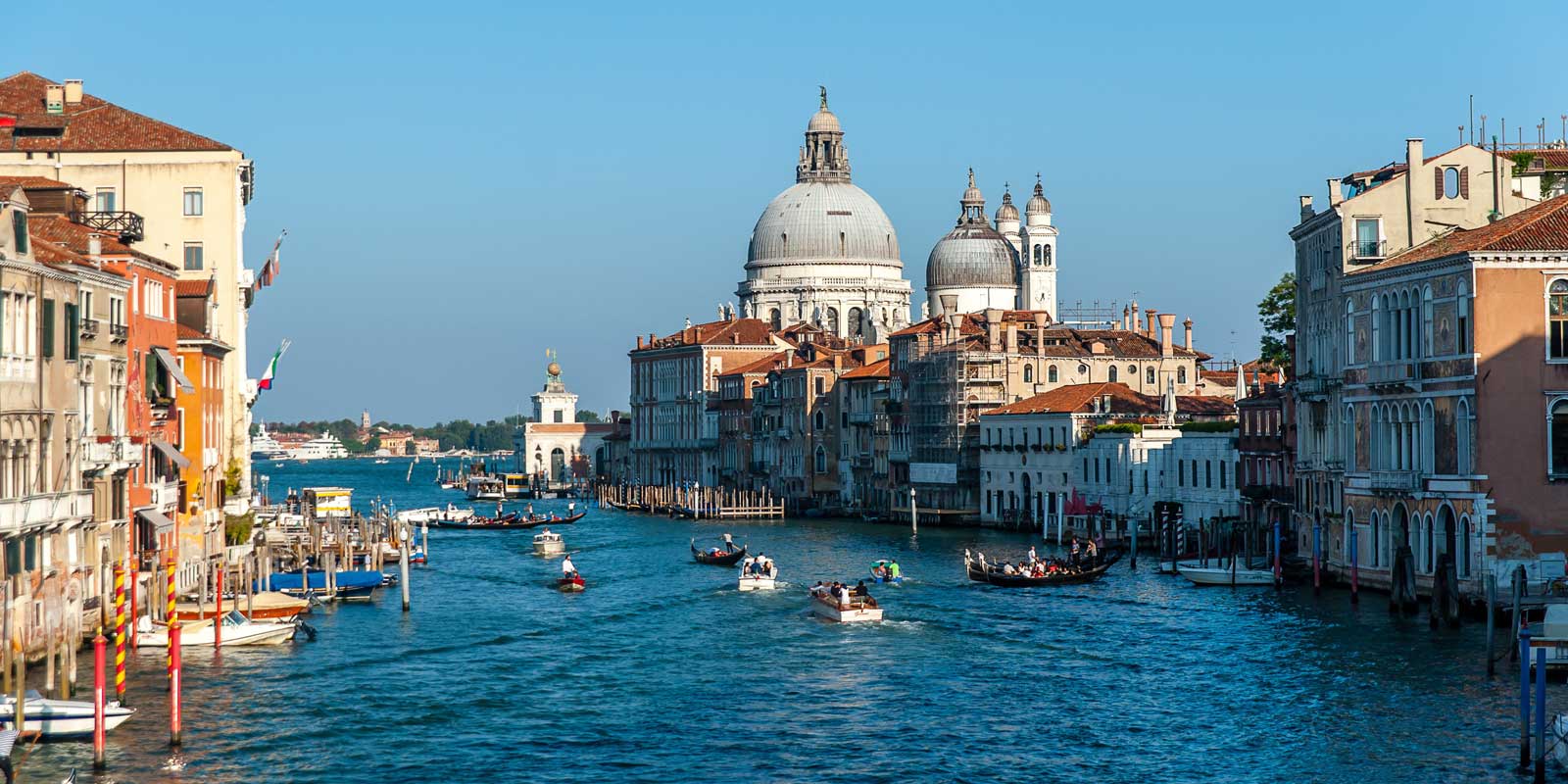
As the sun sets behind the rooftops of Venice and the canals turn to liquid bronze, the osterie of the city comes alive. Inside these warm, bustling dining rooms, waiters glide between wooden tables carrying steaming plates of grilled fish, slow-braised meats, and fragrant lagoon specialties.
The air is rich with the scent of rosemary, garlic, olive oil, and white wine—aromas that drift through open doors and mingle with the cool evening air along the fondamenta.
This is the hour when the heart of Venetian cuisine reveals itself, and when visitors encounter one of the defining experiences of dining in the lagoon city: the secondi piatti.
These main courses, the substantial centre of a traditional Italian meal, reflect Venice’s landscape, its history, and its centuries-old relationship with both land and water.
The city’s culinary soul lies not only in its famous cicchetti or its beloved risotti, but also in these humble yet deeply expressive dishes—those that come from the Adriatic Sea, from the Venetian lagoon, and from the fertile mainland of the Veneto.
The purpose of this article is to explore the meaning of secondi piatti, to uncover the iconic dishes served in Venice’s homes and trattorie, to shine light on the traditions behind them, and to guide visitors in choosing authentic, memorable main courses during their stay.
Through these dishes, the traveller gains access to a Venice far more intimate than any postcard: the Venice of families, fishermen, cooks, and centuries of cultural exchange.
Best Food Tours in Venice
What Are Secondi Piatti? — The Main Course Explained
Secondi piatti form the core of the Italian culinary structure. After antipasti and primi—smaller dishes usually centred on pasta, polenta, or rice—the secondi offers a more substantial plate, most often protein-based.
In Venice, this means dishes crafted from fish, seafood, poultry, and meats that have shaped local diets across centuries.
The Venetian distinction lies in its balance: while coastal regions naturally gravitate toward seafood, Venice presents an unusually rich dual identity.
On one hand, the lagoon and the Adriatic Sea provide an abundance of fish and shellfish, forming the backbone of many iconic secondi. On the other, the mainland Veneto contributes hearty, rustic dishes built from pork, duck, veal, and farm produce.
In both traditions, Venice maintains a consistent philosophy: honouring natural flavours with minimal intervention. Venetian cooks emphasise freshness, seasonality, purity, and restraint—principles that make secondi piatti not only nourishing but deeply tied to the spirit of the region.
What Defines Venetian Secondi — Sea Meets Land
Venice’s geography has shaped its cuisine in unique ways. Surrounded by water yet historically dependent on the agricultural mainland, the city developed a cuisine where sea and land coexist in harmony.
The lagoon’s shallow, brackish waters supply fresh fish, cuttlefish, crab, and seasonal delicacies unavailable elsewhere. Meanwhile, connections with the Veneto mainland brought poultry, beef, and pork to Venetian tables.
Venetian secondi thus sit at the intersection of marine delicacy and pastoral comfort. They are rooted in the rhythms of fishermen, farmers, and market vendors who supplied the city for centuries.
The cooking traditions that emerged favour straightforward techniques: grilling, stewing, baking, and slow braising—techniques that allow ingredients to speak for themselves without overly complex seasoning.
This emphasis on simplicity and seasonality is at the heart of Venetian gastronomy. Even today, chefs and home cooks alike maintain a commitment to minimalist preparation. The result is a repertoire of secondi piatti that are honest, flavourful, and reflective of Venice’s history as both a maritime hub and a cultural bridge between sea and land.
Seafood Secondi -The Soul of Venetian Cooking
Seafood forms the foundation of many of Venice’s most famous secondi piatti. Generations of fishermen supplied the Rialto markets with the daily catch, and that tradition continues to influence what Venetians eat at home and in restaurants.
Whole Fish Grilled or Baked
One of the most quintessential Venetian secondi consists of a simple, impeccably fresh whole fish—often sea bass, sea bream, turbot, or lagoon fish—prepared either grilled or baked. Cooked with olive oil, sea salt, herbs, and lemon, the dish represents the Venetian belief that quality ingredients need little embellishment. The resulting flavour is delicate, aromatic, and deeply satisfying.
Frittura Mista - Mixed Fried Seafood
A beloved choice among locals and travellers, frittura mista includes lightly fried prawns, squid, and small fish. Its crisp, airy coating makes it especially enjoyable on warm days when Venetians gather along canal-side terraces. It is often served with lemon wedges, seasonal vegetables, or polenta, and its freshness depends entirely on the day’s catch.
Seppie in Umido (Stewed Cuttlefish)
Tender cuttlefish cooked slowly in a tomato or white-wine base forms one of the most comforting Venetian seafood dishes. Deeply rooted in home-style cooking, seppie in umido is typically served with creamy polenta to balance the richness of the sauce. This dish exemplifies Venetian lagoon flavours: earthy, savoury, and gently marine.
Baccalà alla Veneziana / Vicentina
Creamed salted cod is one of the region’s most iconic dishes, prepared slowly with onions and milk until silky and smooth. Served with grilled polenta, this dish speaks to Venetian culinary refinement—gentle flavours elevated through slow, attentive cooking.
Scampi alla Busara
A lighter and more aromatic preparation, scampi alla busara combines scampi with garlic, wine, and a hint of tomato. Its bright flavours make it popular during warmer months, and its Venetian origins reflect historic Adriatic cooking traditions.
Grilled Octopus or Calamari
Modern Venetian restaurants increasingly feature grilled octopus or calamari as signature secondi. Charred on the outside, tender within, and seasoned simply, these dishes maintain the Venetian respect for freshness and balance.
Specialties in Lagoons — Unique to Venice's Waters
Some secondi cannot be found anywhere else in Italy. These are the dishes born of the lagoon: unique, seasonal, and deeply tied to tradition.
Moleche
Available only during brief spring and autumn periods, moleche are tiny soft-shell crabs harvested at the precise moment they shed their shells. Lightly fried and served immediately, they are considered one of the most prized Venetian delicacies.
Folpetti (Baby Octopus)
Delicate and tender, folpetti are often boiled and marinated or sautéed. Served as a secondi piatto with potatoes or salad, they highlight the lagoon’s ability to produce subtle yet flavourful seafood dishes.
Granseola (Spider Crab)
The granseola, or spider crab, offers sweet, delicate meat that Venetians often prepare simply to showcase its natural flavour. Served warm or cold, it can appear as a main course or as a hearty salad. It is especially celebrated in winter.
Secondi di Terra — Comforts from the Mainland
While seafood dominates Venice’s reputation, the city’s connection to the mainland Veneto has produced an equally rich tradition of meat-based main courses.
Fegato alla Veneziana
Perhaps the most iconic land-based Venetian dish, fegato alla veneziana features thinly sliced calf’s liver cooked with sweet onions. When served with polenta, the dish becomes a perfect expression of Venetian simplicity—few ingredients, minimal preparation, and profound flavour.
Duck / Duck à l'orange
Duck dishes reflect the city’s historic love of refined, noble flavours. Slow-roasted duck with herbs or the elegant anatra all’arancia (duck with orange) speaks to the luxurious tastes of Venetian nobility, influenced by centuries of trade and cultural exchange.
Pollo in Umido: Braised Chicken
A comforting and rustic favourite, braised chicken cooked with herbs, vegetables, or wine appears frequently on family tables. Its flavour develops slowly, reflecting the home-cooking traditions of the inland Veneto.
Arrosti and Brasati-Roasts & Braises
Venetian kitchens often prepare pork, veal, or beef as roasts or braises, enhanced with rosemary, garlic, and white or red wine. These dishes are staples during winter and festive gatherings, offering depth, warmth, and homestyle authenticity.
Sausages and Polenta
Across the Veneto, grilled or stewed sausages served with soft polenta form a hearty, rustic secondi beloved by families and workers alike. The dish’s appeal lies in its simplicity and balance.
Best Venice Passes
Traditional Sides and Companions for Secondi Piatti
Venetian secondi is rarely served alone. They are traditionally accompanied by side dishes that complement and balance the meal.
Polenta in various forms—soft, grilled, or fried—remains the most iconic pairing for seafood and meat dishes alike.
Seasonal vegetables from the Veneto mainland bring freshness: grilled radicchio, sautéed spinach, roasted potatoes, or artichokes.
Simple salads, only dressed with lemon and olive oil, cut through richer dishes.
Wine pairings follow a clear logic: crisp Veneto whites like Soave or Pinot Grigio brighten seafood dishes, while reds like Valpolicella or Bardolino enhance meat-based secondi.
These pairings illustrate the Venetian commitment to moderation and balance at the table.
When & Where to Enjoy Venetian Secondi
To experience secondi piatti at their best, travellers should seek out trattorie, osterie, and restaurants that emphasise local products and seasonal availability.
Neighbourhoods such as Cannaregio, Dorsoduro, Castello, and Giudecca offer particularly authentic dining experiences away from tourist-heavy areas.
Visitors should pay special attention to daily specials, as many seafood dishes depend on the freshness of the catch. Seasonal items such as moleche appear only during specific periods, and lagoon specialties like folpetti or granseola are often listed only when conditions are right.
In Venice, secondi portions tend not to be oversized; instead, they form part of a balanced multi-course meal. The goal is variety, seasonality, and the celebration of local ingredients.
How to Order Like a Venetian — Practical Tips for Diners
Understanding Venetian dining customs enhances the secondi experience. Locals rarely overwhelm themselves with heavy primi and secondi together; instead, they maintain balance by choosing lighter starters and enjoying their main courses with vegetables or polenta rather than pasta.
Venetians often share dishes, enabling a table to sample multiple seafood preparations. When ordering fish, freshness indicators matter: whole fish, seasonal labels, and menu items written on chalkboards are good signs of authenticity.
Lagoon specialties should be ordered during their correct seasons, and diners should not hesitate to ask staff about the day’s catch or the restaurant’s signature dishes.
Cooking Venetian Secondi at Home — Key Principles
Recreating Venetian secondi at home requires attention to simplicity, ingredient quality, and traditional technique:
Choose the freshest possible fish or meats.
Season lightly, allow the natural flavors to take precedence.
Slow-cooking dishes include stews, seppie in umido, braising of meat.
Grilled fish or calamari is best over high heat.
Always balance the meal with polenta or light salads at the center.
These principles honour Venetian culinary heritage while ensuring consistently excellent results.
Practical Visitor Information to Enjoy the Venetian Secondi Piatti
Visitor Information
Open Hours: Most Venetian trattorie and osterie follow classic Italian meal schedules: lunch from about 12:00–14:30, and dinner from about 19:00 (7:00 PM) onwards.
Many restaurants shut between lunch and dinner (roughly 15:00–19:00), reopening only in the evening. Tourists dine earlier, but locals tend to start at about 20:00.
In summer some restaurants stay open later (until midnight), but in winter many kitchens close by around 21:30–22:00 — for secondi piatti especially, dinner service tends to follow this schedule.
Tip: plan visits for typical Italian meal times — arriving too early (e.g., 18:00) may mean a nearly empty restaurant, while arriving too late may miss dinner service altogether.
The Best time to Visit: Evening dinner, around 20:00–21:00, is the ideal moment. The atmosphere is vibrant, secondi dishes have been freshly prepared, and you enjoy the full Venetian evening ambiance.
Late autumn to early spring (October through March) is especially favourable — cooler weather makes hearty secondi even more comforting, and restaurants are less crowded than during the summer tourist surge.
If possible, aim for weekday evenings or early winter months (November–December) — when many Italians favor simpler meals and there’s less tourist demand. This increases the chance of honest, local cooking rather than tourist-style menus.
Dress Code & Rules of Entry: Dress is casual and informal in most Venetian osterie or trattorie — comfortable clothing works perfectly. There is no formal dress code. Some of the more modest, traditional restaurants may not accept large groups without prior notice.
For guaranteed seating, particularly for dinner, reserving a table in advance (phone or online) is strongly advised.
Many Venetians dine late and restaurants might otherwise remain empty until the typical dinner hour. Walk-in is more feasible at lunch or early evening in less tourist-frequented districts.
“Ticket Information” — What It Costs to Eat
Since Venetian secondi piatti are meals, not attractions, “ticket cost” equates to the price of a meal plus possible extras (wine, sides, bread). Typical pricing patterns across Venice suggest: In modest trattorie or local osterie: a full secondi plate (fish or meat) with a side dish and a drink often remains affordable to mid-range.
According to general Venice restaurant data, a two- or three-course meal with wine might cost around €30–€60 per person.
Seafood secondi, especially fresh lagoon or Adriatic seafood, can be more expensive — but often this reflects freshness and catch-of-the-day quality. Sharing dishes (common in Venice) reduces cost and allows sampling multiple secondi options without over-spending.
Online Booking: Some restaurants, especially the more formal or popular ones, offer online reservations — this is particularly useful for dinner, especially on weekends or high season. For smaller, family-run trattorie, reservations by phone or in person remain common; not all places maintain updated web listings, so asking locally can work better.
When booking, mentioning interest in “fresh seafood / catch-of-the-day secondi” helps ensure that the kitchen plans accordingly — much of Venetian cuisine relies on daily fresh catch or seasonal meat stocks.
Led Tours & Gourmet: Experiences For many visitors, the easiest way to sample authentic Venetian secondi is through guided food tours: Several local food & wine tours specialise in sampling Venetian cuisine: from lagoon seafood to traditional meat dishes.
These tours often include several secondi, a bit of local history, and explanations about seasonal produce and fish.
Guided tours offer context — explanations of lagoon fishing traditions, the seasonal rhythm of the Veneto countryside, and Venetian meal structure — which enhances appreciation beyond taste alone.
Tours are especially useful for first-time visitors unfamiliar with Venetian dining customs (e.g., late dinner, portion sharing, reliance on catch-of-the-day menus).
Our Recommended “Dining Tickets”/ Experiences
Private Trip to Murano, Burano & Torcello with Local Guide
Spritz O’Clock in Venice: A Classic Aperitivo Experience
Rialto Market Food & Sightseeing Tour in Venice with a Local
Practical Tips for Visitors
Reserve ahead, especially for dinner (20:00–21:00): Many kitchens open around 19:00 but only fill up after 20:00. Avoid 16:00–18:00: This “dead zone” often falls between lunch and dinner service; few kitchens are open.
Ask for today’s catch or daily specials: Especially for seafood secondi, freshness and seasonality define authenticity.
Share dishes when possible: Portions are often generous; sharing lets diners sample more and avoid overeating.
Pair with local sides and wine: Secondi feel most Venetian when accompanied by polenta, seasonal vegetables, or a crisp Veneto white wine.
Mind the seasons: Some dishes (like lagoon specialties) appear only at certain times; ask locals or staff for availability.
Why Venetian Secondi Matter: Cultural & Culinary Identity
Secondi piatti are not simply dishes; they are expressions of Venice’s identity—its maritime soul, its agricultural connections, and its centuries of cultural exchange.
They reflect the city’s humility: simple ingredients elevated through technique, tradition, and respect.
To explore secondi is to understand Venice beyond gondolas and palaces. It is to discover the rituals of daily life, the comfort of homestyle meals, and the enduring relationship between Venetians and their waters and lands.
All Affordable Tours in Venice
Conclusion: Il Cuor de la Cena Veneziana
Venice’s secondi piatti reveal a cuisine shaped by sea breezes, lagoon tides, pastoral farmlands, and centuries of trade. They celebrate freshness, simplicity, and tradition, offering dishes that speak to the true essence of Venetian cooking.
Whether enjoying grilled fish, slow-stewed cuttlefish, or rustic mainland meats, travellers discover a Venice that cannot be found on postcards but lives on every plate.
One can imagine a quiet evening beside a canal, the city settling into night, while a plate of perfectly grilled fish or tender seppie in umido arrives at the table—steam rising, flavours unfolding, and the spirit of Venice revealed in every bite.