The Ghetto, Cannaregio and Castello
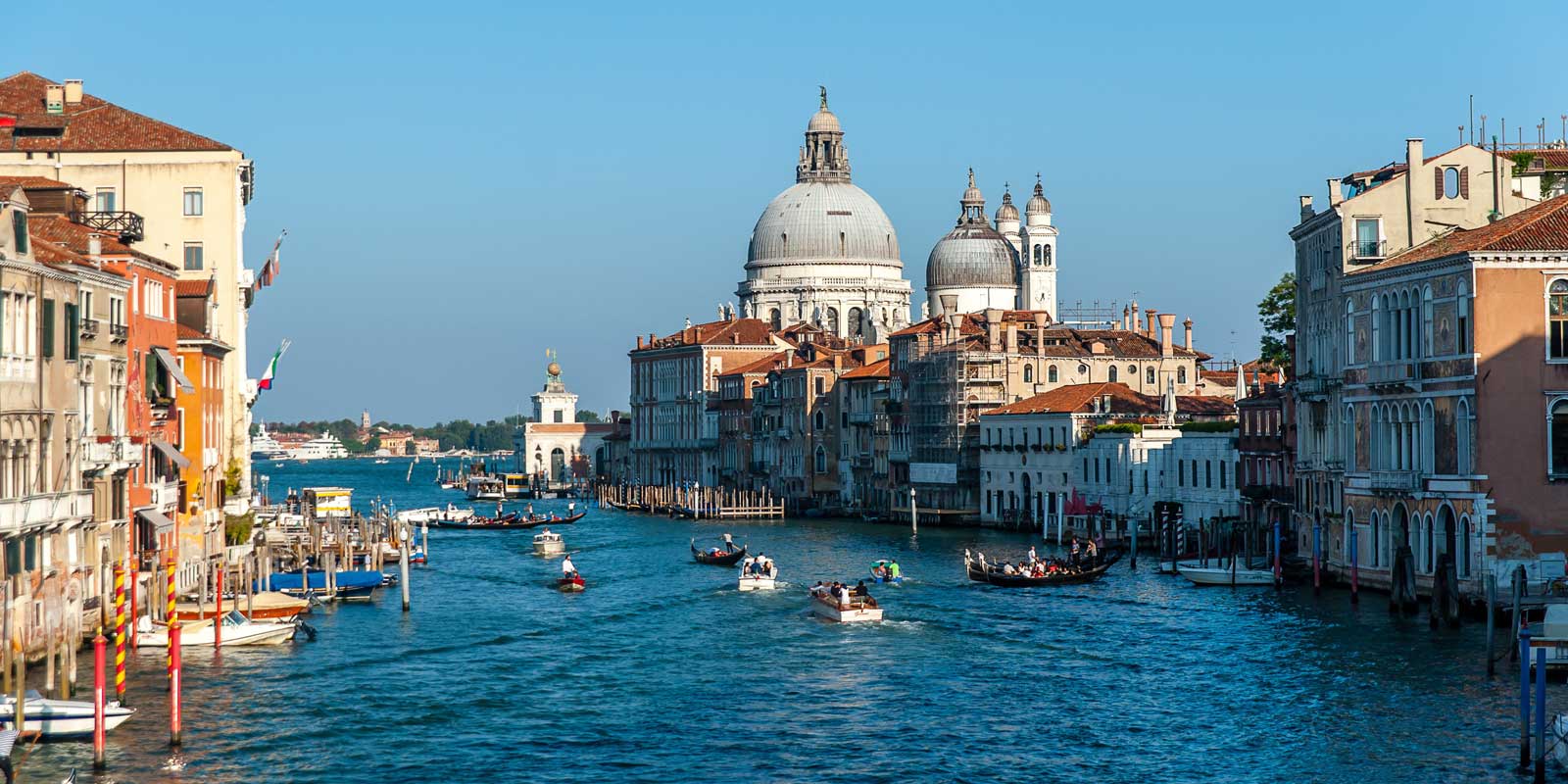
Venice, the city of canals, bridges, and layered history, is composed of six distinct districts called sestieri. While most visitors rush to St Mark's Square and the Grand Canal, Cannaregio and Castello hold the real heart of Venice.
Cannaregio is home to the world's oldest Jewish Ghetto, a site of great historical and cultural significance. This guide urges visitors to get off the beaten path and find a more authentic, richer-textured Venice.
Buy the Best Walking Tours in Venice
Morning: Exploring the Ghetto and Cannaregio
1. Introduction to the Venetian Ghetto
The Venetian Ghetto, established in 1516, is the world's first formal Jewish ghetto and a lasting symbol of resilience and confinement.
Compelled into closeness by the state, the Jewish com
munity continued to thrive, making valuable contributions to Venice's economy, culture, and scholarship.
The Ghetto stands as a living witness today to survival and faith. Unpaved streets, silent quadrangles, and the houses steeply rising upwards—built upwards, since land was limited—bear witness to centuries of narrow but intense life, within its rich palette of history, one of Venice's numerous threads.
2. Jewish Museum of Venice
Here among the Campo del Ghetto Nuovo and the medieval synagogues is where tourists begin their visit to the Jewish Museum of Venice. Founded in 1953, the museum's carefully curated exhibits offer deep insight into the religious life, daily life, and artistic achievements of Venice's Jewish community.
Displays of ancient Torah scrolls, exquisitely decorated silver ritual objects, textiles, and historic manuscripts unfold a narrative of resilience and creativity under challenging conditions.
Multilingual guided tours further enrich the experience by opening up two historic synagogues, providing an insight into the Ghetto's religious significance.
3. Visit the Synagogues
The Ghetto houses a series of great synagogues that bear witness to the multi-origin Jewish population—Ashkenazi, Sephardic, Levantine, and Italian.
The Great German Synagogue, renowned for its restrained elegance, is the opposite of the profusely decorated Canton Synagogue, whereas the Levantine Synagogue dazzles with its richly decorated wooden interior.
Despite the ban on the exterior of showing religious symbols, the interiors of the synagogues reveal the story of a richness of artistic and religious expression.
The synagogues offer visitors a moving link to the religious, social, and cultural life that thrived inside the walls of the Ghetto.
4. Walk Through Campo del Ghetto Nuovo
Campo del Ghetto Nuovo is the heart and hub of the Jewish Ghetto. This piazza, with its poignant memorials to the victims of the Holocaust, is a spot to reflect on centuries of strife and struggle.
On either side of the campo are charming kosher cafes, traditional bakeries, and shops selling Judaica that attest to the Jewish community's enduring vigor.
Benches under ancient trees are spots for reflection, where one can absorb the profound historical resonance and persistent life of this unique Venetian corner.
Mid-Morning: Cannaregio's Hidden Corners
5. Discover Fondamenta della Misericordia
Past the Ghetto, travelers can stroll along Fondamenta della Misericordia, Cannaregio's most vibrant and colorful street. A winding canal borders this bustling promenade, which is dotted with bacari (Venetian wine bars), brightly colored cafes, and artisan shops featuring handmade goods.
Fondamenta della Misericordia is a quiet residential neighborhood compared to San Marco's busy shopping streets. Here, things move more slowly, and visitors are richly rewarded with an authentic snapshot of the rhythms of daily Venetian life, as locals pause here for spritzes and cicchetti along the waterside.
6. Church of Madonna dell'Orto
Hidden away in Cannaregio's less-visited corner is the Church of Madonna dell'Orto, a less-seen Gothic treasure that's worth venturing out of one's way to discover. Built in the 14th century, the church stands out from others for its stunning brick facade and its treasure of Tintoretto masterpieces, Venice's finest painter.
Tintoretto was closely associated with the church not only as an artist but also as a parishioner; he's buried here too. In it, his luminous works, like "The Presentation of the Virgin" and "The Last Judgment," are found, works that reflect his use of light and shadow.
7. Tintoretto's House
A short walk from Madonna dell'Orto Church to the modest house where Tintoretto worked and resided is available. While the dwelling itself is closed to interior visits, the modest exterior and serene ambiance give the visitor access to the private legacy of the great artist.
A visit before Tintoretto's house offers an earthly connection to Venice's esteemed past, inspiring visions of the master artist himself creating amidst Cannaregio's ageless beauty of canals and streets.
Buy the Best Boat Tours in Venice
Lunch Break: Traditional Eating in Cannaregio
Traditional eating in Cannaregio is not in short supply when trying to steer clear of tourist traps.
Bars and taverns where Venetians eat offer traditional Venetian dishes with a relaxed feel.
To try on the list of specialties are "sarde in saor" (sweet and sour sardines), creamy polenta topped with fresh seafood, and "bigoli in salsa," wide strips of pasta covered in anchovy and onion sauce.
Some of the top options for lunch include Osteria Al Timon on the Fondamenta della Misericordia and Vino Vero, renowned for natural wines and inventive cicchetti. Early Afternoon: Castello Transition
8. Walking Towards Castello
After lunch, a stroll along quiet canals and shaded alleys brings visitors into Castello, the largest sestiere in Venice.
The boundary between Cannaregio and Castello is a nearly imperceptible one in which the architecture subtly shifts—the palazzi become more majestic, and small artisan shops give way to more open space and lively local markets.
Mid-Afternoon: Exploring Castello's Secrets
9. Visit Basilica di San Giovanni e Paolo
One of the architectural gems of Castello is the Basilica di San Giovanni e Paolo, or the "Pantheon of Venice." The vast Gothic church contains the tombs of numerous doges and other notable citizens.
With its lofty vaulted ceilings, stunning stained glass, and paintings by the likes of Veronese and Bellini, visitors can bask in the interior. The stern grandeur of the basilica's somber interior is the precise opposite of Venice's more visited tourist spots' lighter, wilder spirit.
10. Campo Santa Maria Formosa
Next is Campo Santa Maria Formosa, Venice's most picturesque square. Gothic and Renaissance architecture blends with bustling cafes and small shops.
The Church of Santa Maria Formosa, a Renaissance architect Mauro Codussi masterpiece, is the square's top draw, initiating visitors to Venetian religious tradition and architectural brilliance.
Late Afternoon: Gardens, Arsenale, and Hidden Gems
11. Walk Via Garibaldi
Along Via Garibaldi, the city's widest street, arrives a welcome openness that's all too scarce in the city's bewildering alleys. With local shops, greengrocers, and welcoming trattorias lining the street, it hums with authentic Venetian life.
Here, there's the unusual delight of being able to merge into the daily routine, seeing children playing and locals going about their business.
12. Giardini della Biennale (Biennale Gardens)
A stroll east brings travelers to the Giardini della Biennale, extensive public gardens commissioned by Napoleon and host to the famous Venice Biennale.
Even in years when there is no exhibition, the gardens provide a peaceful respite from the city's activity, and sun-dappled walkways, statues, and views of the lagoon make it a perfect place to sit and do nothing.
13. Arsenale di Venezia
Adjacent to the gardens is the Arsenale di Venezia, Venice's former engine of naval power. Its massive gates, lion statues, and tall walls are all reminders of Venetian naval power.
Parts of the Arsenale are open during the Biennale, when it is used to house contemporary art installations that offer a pleasant contrast to the site's past glory.
Evening: Dinner and Relaxation
14. Dinner in Castello
Castello's nightlife rewards the visitor who strays from the main avenues in central streets. Along Via Garibaldi and hidden on side streets, restaurants serve up traditional Venetian seafood specialties like risotto al nero di seppia (risotto with squid ink) and branzino alla griglia (grilled sea bass).
Eat at Trattoria alla Rampa and Osteria alla Staffa, both of which are recommended for staying true to quality and tradition.
15. Leisurely Evening Stroll
As the sun sets, a leisurely evening stroll back through Castello and Cannaregio canals and alleys reveals a more subdued, intimate Venice. The lamps are lit on the canals, the gondolas glide silently along, and the city's incomparable essence—timeless, poetic, serene—slowly takes form.
Visiting the Ghetto, Cannaregio, and Castello tour
Visitor Information
Best Time to Visit: The best times to visit the Ghetto, Cannaregio, and Castello are spring (April through June) and fall (September through October), when Venice has pleasant weather and fewer tourist crowds.
Getting Around: The districts are best explored on foot to absorb the narrow lanes and hidden courtyards. Vaporetto stops such as Guglie (for the Ghetto), Fondamenta Nove (for Cannaregio), Arsenale, and Giardini (for Castello) provide convenient entrances for public transport users.
Recommended Dress Code: Travelers should be modestly dressed when visiting religious centers such as synagogues and churches. Walking shoes should be used as most areas have uneven paving and bridges.
Food and Breaks: There is an excellent selection of traditional bacari and osterie in Cannaregio where guests can try traditional fare such as sarde in saor and bigoli in salsa. Venetian trattorias are found in Via Garibaldi in Castello perfect for having an aperitif or outdoor dinner.
Accessibility and Guided Tours: Guided tours to the synagogues of the Jewish Ghetto are available in many languages and are highly suggested to learn more about the community's history. It is suggested to book guided tour tickets to the Jewish Museum, especially on weekends and holidays.
Relaxation Activities: The Fondamenta della Misericordia and Via Garibaldi offer excellent opportunities for leisurely walking, culture, and people-watching. For moments of peace, visitors can enjoy the Giardini della Biennale or serene views along Venice's quieter canals.
Ticket Information
Jewish Museum of Venice and Synagogue Tours
Museum Admission: €12
Reduced Ticket (children up to 18, students up to 26, seniors over 65): €10
Family Ticket (2 adults + children): €35
Includes: Admission to the museum and guided tour of highlighted synagogues
Opening Hours: Daily 10:00 AM to 5:30 PM; Saturdays and Jewish holidays closed.
Basilica di San Giovanni e Paolo
General Admission: €3.50
Reduced Ticket (groups and students): €2.50
Opening Hours: Generally open 9:00 AM to 6:00 PM; local variations during religious services.
Church of Madonna dell'Orto
Entry Fee: €3
Tip: Modest dress is required, and photography indoors might be prohibited.
Biennale Gardens (Giardini della Biennale):
Public Access: Free if there is no show on.
Venice Biennale Exhibition Period:
Regular Entry Ticket: €25 (to visit both Giardini and Arsenale exhibitions)
Concession Tickets (students, senior citizens): €20
Hint: Purchase tickets online ahead of time to make entrance easier.
Vaporetto Public Transport Tickets (ACTV)
Single Ticket: €9.50 (75 minutes' validity)
1-Day Pass: €25
2-Day Pass: €35
3-Day Pass: €45
7-Day Pass: €65
Tickets are available for purchase at vaporetto stops, authorized retailers, and on the Venice website.
Recommended Tickets
Secret Gardens of Venice Walking Tour
Venice: Jewish Ghetto walking tour with time for Synagogues Tour
Venice Jewish Ghetto & Cannaregio District Food Wine & Sightseeing Guided tour
Practical Information
The best times to explore Cannaregio, the Ghetto, and Castello are spring (April to June) and autumn (September to early November).
These are the seasons of good weather, thin tourist crowds, and lighter atmosphere so that visitors can enjoy the serene beauty of the neighborhoods without the summer rush of tourists. During these times, natural light sets Venice aflame, perfect for photography and strolling.
It is easily reached with several well-placed Vaporetto stops providing a convenient entrance.
Guglie stop provides an ideal entrance for visiting central Cannaregio and the Ghetto, and Fondamenta Nove provides entrance to more secluded northern banks and islands like Murano. Arsenale and Giardini stops provide direct entrance to Castello, extremely convenient when visiting the Biennale Gardens and the Arsenale complex.
It is advisable to buy a daily Vaporetto pass for both convenience and economy. Guests should be properly dressed to be respectful, particularly when entering synagogues, churches, and other religious or historical buildings.
Shoulders and knees need to be covered, and modest dressing is advisable as a sign of respect for local culture and religious traditions.
A light scarf or shawl will be useful for on-the-go dressing requirements to make respectful and seamless appearances in Venice's highly historic districts.
Buy Venice Day Trip Tours
Conclusion
Exploring the Ghetto, Cannaregio, and Castello uncovers a Venice too often overlooked by harried tourists. Its poignant history, from the Jewish Ghetto to Cannaregio's vibrant canals and the artistic treasures of Castello, these districts distill the timelessness of Venice.
For travelers who stroll, look, and linger, this itinerary uncovers the city's hidden layers and ageless beauty, rendering them a solid part of The Best of Venice.
Venice, the city of canals, bridges, and layered history, is composed of six distinct districts called sestieri. While most visitors rush to St Mark's Square and the Grand Canal, Cannaregio and Castello hold the real heart of Venice.
Cannaregio is home to the world's oldest Jewish Ghetto, a site of great historical and cultural significance. This guide urges visitors to get off the beaten path and find a more authentic, richer-textured Venice.
Buy the Best Walking Tours in Venice
Morning: Exploring the Ghetto and Cannaregio
1. Introduction to the Venetian Ghetto
The Venetian Ghetto, established in 1516, is the world's first formal Jewish ghetto and a lasting symbol of resilience and confinement.
Compelled into closeness by the state, the Jewish community continued to thrive, making valuable contributions to Venice's economy, culture, and scholarship.
The Ghetto stands as a living witness today to survival and faith. Unpaved streets, silent quadrangles, and the houses steeply rising upwards—built upwards, since land was limited—bear witness to centuries of narrow but intense life, within its rich palette of history, one of Venice's numerous threads.
2. Jewish Museum of Venice
Here among the Campo del Ghetto Nuovo and the medieval synagogues is where tourists begin their visit to the Jewish Museum of Venice. Founded in 1953, the museum's carefully curated exhibits offer deep insight into the religious life, daily life, and artistic achievements of Venice's Jewish community.
Displays of ancient Torah scrolls, exquisitely decorated silver ritual objects, textiles, and historic manuscripts unfold a narrative of resilience and creativity under challenging conditions.
Multilingual guided tours further enrich the experience by opening up two historic synagogues, providing an insight into the Ghetto's religious significance.
3. Visit the Synagogues
The Ghetto houses a series of great synagogues that bear witness to the multi-origin Jewish population—Ashkenazi, Sephardic, Levantine, and Italian.
The Great German Synagogue, renowned for its restrained elegance, is the opposite of the profusely decorated Canton Synagogue, whereas the Levantine Synagogue dazzles with its richly decorated wooden interior.
Despite the ban on the exterior of showing religious symbols, the interiors of the synagogues reveal the story of a richness of artistic and religious expression.
The synagogues offer visitors a moving link to the religious, social, and cultural life that thrived inside the walls of the Ghetto.
4. Walk Through Campo del Ghetto Nuovo
Campo del Ghetto Nuovo is the heart and hub of the Jewish Ghetto. This piazza, with its poignant memorials to the victims of the Holocaust, is a spot to reflect on centuries of strife and struggle.
On either side of the campo are charming kosher cafes, traditional bakeries, and shops selling Judaica that attest to the Jewish community's enduring vigor.
Benches under ancient trees are spots for reflection, where one can absorb the profound historical resonance and persistent life of this unique Venetian corner.
Mid-Morning: Cannaregio's Hidden Corners
5. Discover Fondamenta della Misericordia
Past the Ghetto, travelers can stroll along Fondamenta della Misericordia, Cannaregio's most vibrant and colorful street. A winding canal borders this bustling promenade, which is dotted with bacari (Venetian wine bars), brightly colored cafes, and artisan shops featuring handmade goods.
Fondamenta della Misericordia is a quiet residential neighborhood compared to San Marco's busy shopping streets. Here, things move more slowly, and visitors are richly rewarded with an authentic snapshot of the rhythms of daily Venetian life, as locals pause here for spritzes and cicchetti along the waterside.
6. Church of Madonna dell'Orto
Hidden away in Cannaregio's less-visited corner is the Church of Madonna dell'Orto, a less-seen Gothic treasure that's worth venturing out of one's way to discover. Built in the 14th century, the church stands out from others for its stunning brick facade and its treasure of Tintoretto masterpieces, Venice's finest painter.
Tintoretto was closely associated with the church not only as an artist but also as a parishioner; he's buried here too. In it, his luminous works, like "The Presentation of the Virgin" and "The Last Judgment," are found, works that reflect his use of light and shadow.
7. Tintoretto's House
A short walk from Madonna dell'Orto Church to the modest house where Tintoretto worked and resided is available. While the dwelling itself is closed to interior visits, the modest exterior and serene ambiance give the visitor access to the private legacy of the great artist.
A visit before Tintoretto's house offers an earthly connection to Venice's esteemed past, inspiring visions of the master artist himself creating amidst Cannaregio's ageless beauty of canals and streets.
Buy the Best Boat Tours in Venice
Lunch Break: Traditional Eating in Cannaregio
Traditional eating in Cannaregio is not in short supply when trying to steer clear of tourist traps.
Bars and taverns where Venetians eat offer traditional Venetian dishes with a relaxed feel.
To try on the list of specialties are "sarde in saor" (sweet and sour sardines), creamy polenta topped with fresh seafood, and "bigoli in salsa," wide strips of pasta covered in anchovy and onion sauce.
Some of the top options for lunch include Osteria Al Timon on the Fondamenta della Misericordia and Vino Vero, renowned for natural wines and inventive cicchetti. Early Afternoon: Castello Transition
8. Walking Towards Castello
After lunch, a stroll along quiet canals and shaded alleys brings visitors into Castello, the largest sestiere in Venice.
The boundary between Cannaregio and Castello is a nearly imperceptible one in which the architecture subtly shifts—the palazzi become more majestic, and small artisan shops give way to more open space and lively local markets.
Mid-Afternoon: Exploring Castello's Secrets
9. Visit Basilica di San Giovanni e Paolo
One of the architectural gems of Castello is the Basilica di San Giovanni e Paolo, or the "Pantheon of Venice." The vast Gothic church contains the tombs of numerous doges and other notable citizens.
With its lofty vaulted ceilings, stunning stained glass, and paintings by the likes of Veronese and Bellini, visitors can bask in the interior. The stern grandeur of the basilica's somber interior is the precise opposite of Venice's more visited tourist spots' lighter, wilder spirit.
10. Campo Santa Maria Formosa
Next is Campo Santa Maria Formosa, Venice's most picturesque square. Gothic and Renaissance architecture blends with bustling cafes and small shops.
The Church of Santa Maria Formosa, a Renaissance architect Mauro Codussi masterpiece, is the square's top draw, initiating visitors to Venetian religious tradition and architectural brilliance.
Late Afternoon: Gardens, Arsenale, and Hidden Gems
11. Walk Via Garibaldi
Along Via Garibaldi, the city's widest street, arrives a welcome openness that's all too scarce in the city's bewildering alleys. With local shops, greengrocers, and welcoming trattorias lining the street, it hums with authentic Venetian life.
Here, there's the unusual delight of being able to merge into the daily routine, seeing children playing and locals going about their business.
12. Giardini della Biennale (Biennale Gardens)
A stroll east brings travelers to the Giardini della Biennale, extensive public gardens commissioned by Napoleon and host to the famous Venice Biennale.
Even in years when there is no exhibition, the gardens provide a peaceful respite from the city's activity, and sun-dappled walkways, statues, and views of the lagoon make it a perfect place to sit and do nothing.
13. Arsenale di Venezia
Adjacent to the gardens is the Arsenale di Venezia, Venice's former engine of naval power. Its massive gates, lion statues, and tall walls are all reminders of Venetian naval power.
Parts of the Arsenale are open during the Biennale, when it is used to house contemporary art installations that offer a pleasant contrast to the site's past glory.
Evening: Dinner and Relaxation
14. Dinner in Castello
Castello's nightlife rewards the visitor who strays from the main avenues in central streets. Along Via Garibaldi and hidden on side streets, restaurants serve up traditional Venetian seafood specialties like risotto al nero di seppia (risotto with squid ink) and branzino alla griglia (grilled sea bass).
Eat at Trattoria alla Rampa and Osteria alla Staffa, both of which are recommended for staying true to quality and tradition.
15. Leisurely Evening Stroll
As the sun sets, a leisurely evening stroll back through Castello and Cannaregio canals and alleys reveals a more subdued, intimate Venice. The lamps are lit on the canals, the gondolas glide silently along, and the city's incomparable essence—timeless, poetic, serene—slowly takes form.
Visiting the Ghetto, Cannaregio, and Castello tour
Visitor Information
Best Time to Visit: The best times to visit the Ghetto, Cannaregio, and Castello are spring (April through June) and fall (September through October), when Venice has pleasant weather and fewer tourist crowds.
Getting Around: The districts are best explored on foot to absorb the narrow lanes and hidden courtyards. Vaporetto stops such as Guglie (for the Ghetto), Fondamenta Nove (for Cannaregio), Arsenale, and Giardini (for Castello) provide convenient entrances for public transport users.
Recommended Dress Code: Travelers should be modestly dressed when visiting religious centers such as synagogues and churches. Walking shoes should be used as most areas have uneven paving and bridges.
Food and Breaks: There is an excellent selection of traditional bacari and osterie in Cannaregio where guests can try traditional fare such as sarde in saor and bigoli in salsa. Venetian trattorias are found in Via Garibaldi in Castello perfect for having an aperitif or outdoor dinner.
Accessibility and Guided Tours: Guided tours to the synagogues of the Jewish Ghetto are available in many languages and are highly suggested to learn more about the community's history. It is suggested to book guided tour tickets to the Jewish Museum, especially on weekends and holidays.
Relaxation Activities: The Fondamenta della Misericordia and Via Garibaldi offer excellent opportunities for leisurely walking, culture, and people-watching. For moments of peace, visitors can enjoy the Giardini della Biennale or serene views along Venice's quieter canals.
Ticket Information
Jewish Museum of Venice and Synagogue Tours
Museum Admission: €12
Reduced Ticket (children up to 18, students up to 26, seniors over 65): €10
Family Ticket (2 adults + children): €35
Includes: Admission to the museum and guided tour of highlighted synagogues
Opening Hours: Daily 10:00 AM to 5:30 PM; Saturdays and Jewish holidays closed.
Basilica di San Giovanni e Paolo
General Admission: €3.50
Reduced Ticket (groups and students): €2.50
Opening Hours: Generally open 9:00 AM to 6:00 PM; local variations during religious services.
Church of Madonna dell'Orto
Entry Fee: €3
Tip: Modest dress is required, and photography indoors might be prohibited.
Biennale Gardens (Giardini della Biennale):
Public Access: Free if there is no show on.
Venice Biennale Exhibition Period:
Regular Entry Ticket: €25 (to visit both Giardini and Arsenale exhibitions)
Concession Tickets (students, senior citizens): €20
Hint: Purchase tickets online ahead of time to make entrance easier.
Vaporetto Public Transport Tickets (ACTV)
Single Ticket: €9.50 (75 minutes' validity)
1-Day Pass: €25
2-Day Pass: €35
3-Day Pass: €45
7-Day Pass: €65
Tickets are available for purchase at vaporetto stops, authorized retailers, and on the veniceXplorer's website.
Recommended Tickets
Secret Gardens of Venice Walking Tour
Venice: Jewish Ghetto walking tour with time for Synagogues Tour
Venice Jewish Ghetto & Cannaregio District Food Wine & Sightseeing Guided tour
Practical Information
The best times to explore Cannaregio, the Ghetto, and Castello are spring (April to June) and autumn (September to early November).
These are the seasons of good weather, thin tourist crowds, and lighter atmosphere so that visitors can enjoy the serene beauty of the neighborhoods without the summer rush of tourists. During these times, natural light sets Venice aflame, perfect for photography and strolling.
It is easily reached with several well-placed Vaporetto stops providing a convenient entrance.
Guglie stop provides an ideal entrance for visiting central Cannaregio and the Ghetto, and Fondamenta Nove provides entrance to more secluded northern banks and islands like Murano. Arsenale and Giardini stops provide direct entrance to Castello, extremely convenient when visiting the Biennale Gardens and the Arsenale complex.
It is advisable to buy a daily Vaporetto pass for both convenience and economy. Guests should be properly dressed to be respectful, particularly when entering synagogues, churches, and other religious or historical buildings.
Shoulders and knees need to be covered, and modest dressing is advisable as a sign of respect for local culture and religious traditions.
A light scarf or shawl will be useful for on-the-go dressing requirements to make respectful and seamless appearances in Venice's highly historic districts.
Buy Venice Day Trip Tours
Conclusion
Exploring the Ghetto, Cannaregio, and Castello uncovers a Venice too often overlooked by harried tourists. Its poignant history, from the Jewish Ghetto to Cannaregio's vibrant canals and the artistic treasures of Castello, these districts distill the timelessness of Venice.
For travelers who stroll, look, and linger, this itinerary uncovers the city's hidden layers and ageless beauty, rendering them a solid part of The Best of Venice.