The Lagoon Marathons
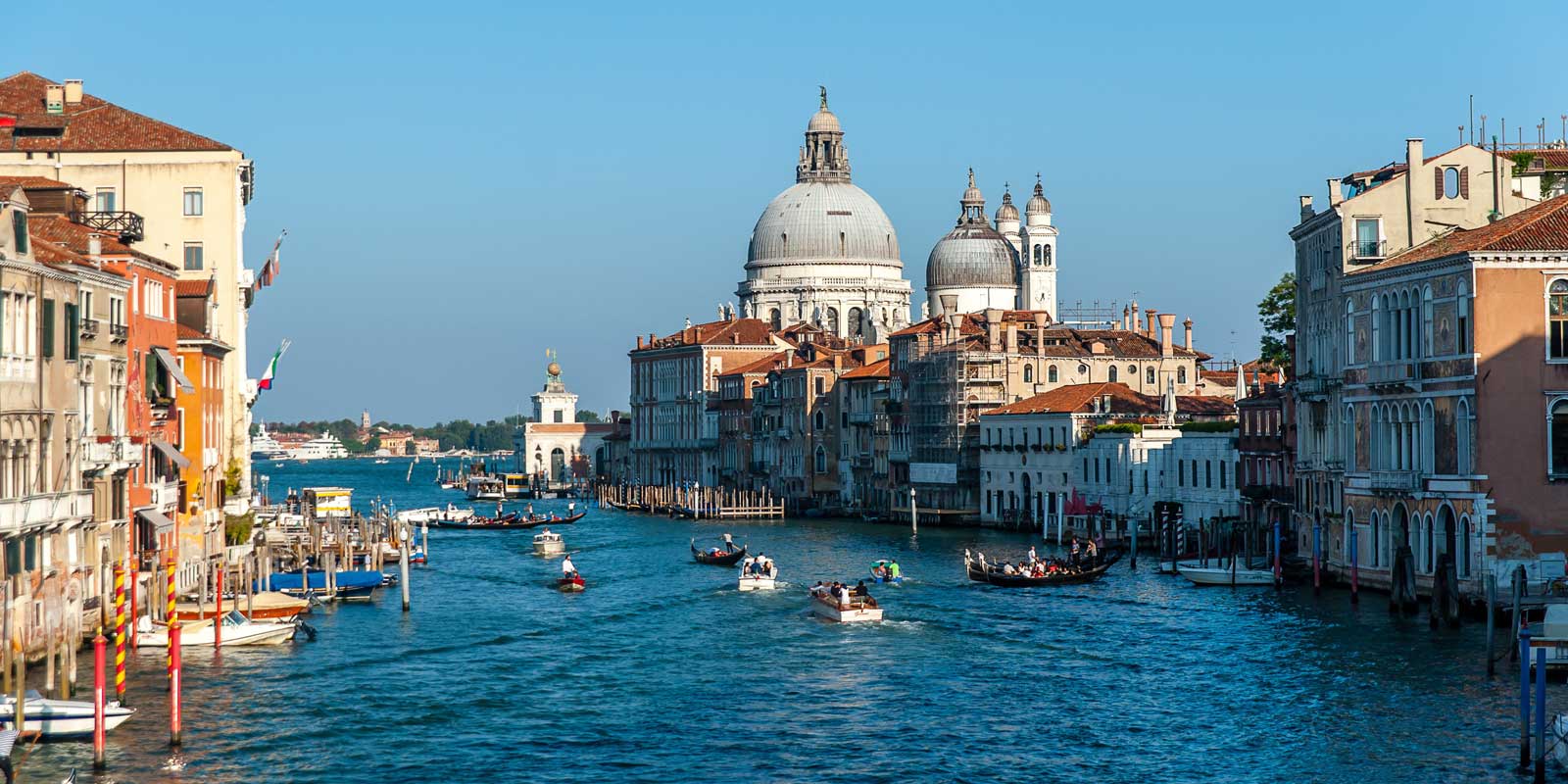
Running a marathon through canals, bridges, Renaissance villas, and one of the world’s most recognisable historic cities is an experience unlike any other. Nowhere else does a race blend athletic endurance with lagoon landscapes, monumental architecture, and the living rhythm of an ancient maritime republic.
This is what makes the Venice Marathon stand out among global distance-running events. Each year, thousands of athletes and enthusiasts arrive from around the world not simply to compete, but to run through a cultural masterpiece shaped over centuries.
This guide offers a complete, structured overview of the Venice Marathon: its history, routes, race formats, logistics, and the step-by-step process for signing up. It serves runners, visitors, and first-timers seeking clear and reliable information before taking part in one of Italy’s most atmospheric sporting traditions.
Unmissable Venice Tours
The Venice Marathon is widely regarded as one of Europe’s most scenic long-distance races. With a route weaving from the mainland towards the lagoon and into the historic heart of Venice, participants encounter changing environments that make the experience memorable long after the finish line.
Runners begin in the serene countryside, progress through modern urban districts, and eventually enter the lagoon city where canals, bridges, and narrow paths demand focus and resilience.
Held once a year in late October, the event features several race categories, from the classic 42.195-kilometre marathon to shorter alternatives suitable for less experienced runners or visiting travellers.
As a result, the Venice Marathon attracts athletes of all levels, casual participants, supporters, and those who simply wish to experience Venice from an entirely different perspective.
The purpose of this guide is to present a comprehensive, easy-to-understand overview of the race. Readers will find details on how the event developed, its structure, who can participate, what to expect on the course, logistical advice, and practical steps for completing registration.
What is the Venice Marathon: History & Overview
The Venice Marathon was first held in 1986, founded with the intention of creating a world-class sporting event capable of merging athletic excellence with the extraordinary beauty of one of the world’s most admired cities.
Since then, it has grown into an internationally recognised competition that attracts elite runners as well as passionate amateurs. The marathon is officially measured at 42.195 kilometres and certified according to global athletics standards, making it eligible for ranking purposes and recognised by federations worldwide.
What sets the Venice Marathon apart is not only its technical credibility but also its atmosphere. Unlike races set entirely in urban centres or natural landscapes, this marathon offers an immersive blend of both.
Participants begin in a quieter mainland environment before approaching the lagoon and entering Venice itself.
The final portion of the race takes place in the world-famous historic areas bordering the The Venetian Lagoon, creating a contrasting experience that combines athletic exertion with cultural splendour.
Throughout its history, the marathon has maintained the dual character of sporting challenge and cultural immersion. Athletes are not simply racing; they are traversing centuries of architectural and artistic heritage, from elegant villas to canal-lined streets that reflect the identity of the city.
Race Formats & Who May Compete
The Venice Marathon offers multiple race formats to accommodate runners of different skill levels and objectives. Each category presents its own characteristics, but all allow participants to experience part of the region’s remarkable landscape.
Full Marathon - 42.195 km
The full marathon remains the event’s centrepiece and is designed primarily for experienced runners or those training towards a significant endurance milestone. Participants must meet specific eligibility requirements, including possession of an athletics licence or the submission of a valid medical certificate confirming fitness for competitive long-distance running. This ensures safety and compliance with regulations for competitive sport in Italy.
Half Marathon – 21 km
For runners seeking a shorter yet equally rewarding challenge, the half marathon offers an attractive alternative. While not as demanding as the full course, it still provides a substantial distance that allows participants to enjoy many key elements of the environment. It appeals to individuals who want a more accessible route, visitors integrating the race into their travel, and athletes preparing for longer distances.
10K / VM10K
The VM10K is the most approachable race category and is particularly suited to casual runners, beginners, families, and travellers who wish to experience the thrill of participating in a major event without committing to longer distances.
It is also the category most associated with non-competitive or tourist-sporting participation. In many cases, participants may simply sign a liability waiver instead of presenting formal athletic certification.
Eligibility: Competitive versus Non-Competitive Participants
Competitive entries require official documentation, including a recognised athletics licence or a medical certificate in line with Italian sporting regulations.
Non-competitive participation—most common in shorter races—requires far fewer formalities and offers an inclusive environment for anyone wishing to take part. This dual structure ensures that the Venice Marathon is both prestigious and welcoming, catering to a broad spectrum of runners.
The Route(s) & What Makes It Special
The Venice Marathon route is one of the most distinctive in the world. It carries runners along a scenic and historically rich path that transitions from mainland countryside to urban districts and, finally, into Venice’s centuries-old heart.
Begin with Villa Pisani, Stra
The journey begins on the mainland at Villa Pisani, a monumental 18th-century villa situated in Stra. This starting point introduces participants to the elegance of the Riviera del Brenta, known for its majestic villas built by Venetian nobility. The early kilometres offer calm views of the river and verdant surroundings, providing an ideal warm-up before the challenges ahead.
Riviera del Brenta y Mestre
Runners continue along the Riviera del Brenta, a route lined with historic estates, waterways, and bridges. This portion of the course balances natural scenery with cultural landmarks, creating an engaging visual environment. After leaving the riverside, participants enter Mestre, the principal mainland district of Venice, where cheering crowds, wider streets, and urban energy contribute to race momentum.
San Giuliano Park and the Approach to Venice
The course then leads runners into San Giuliano Park, one of the largest urban parks in Europe. Its wide passages and lush spaces allow athletes to maintain steady pacing before the transition into the more demanding final stage.
As the city nears, participants cross the long and iconic Ponte della Libertà, a roadway that links the mainland to Venice across the The Venetian Lagoon. This crossing is a psychological milestone, marking the moment when runners enter the final, unforgettable part of the journey.
Last Day: Bridges, Canals, and Historic Venice
Upon reaching Venice, the route becomes narrow and intricate, requiring focus and agility. Runners traverse small bridges, navigate tight alleyways, and follow a path constructed with temporary ramps to ensure safe passage across bridges. This segment includes fourteen small bridges, each adding a physical challenge and reinforcing the unique character of the marathon.
The most evocative moments occur near the finish, where runners move alongside the basin facing St Mark’s Square, across waterfront areas shaped by centuries of maritime history. The race concludes at Riva dei Sette Martiri, a panoramic location overlooking The Venetian Lagoon, offering both exhaustion and triumph in equal measure.
Why the Route is Special
Few international marathons match the variety and symbolism of this route. It is the only major race in the world where participants run from a mainland villa district, cross a lagoon causeway, and finish inside a UNESCO-protected historic environment. The shifting terrain, bridges, and narrow passages form an athletic challenge framed by cultural richness, making the Venice Marathon a race unlike any other.
When & Where: Dates, Logistics & Entry Fees
The Venice Marathon typically takes place on the fourth Sunday of October each year. For example, the 2025 edition is scheduled for Sunday, 26 October. This seasonal timing provides favourable running conditions, with cooler temperatures and reduced summer crowds.
Entry Fees
Entry fees vary according to registration period and race category. For the full marathon, early-bird pricing tends to be significantly lower, while late registrations may reach higher tiers. Shorter race categories usually have reduced fees, with the 10K designed to remain accessible for tourists and local participants.
Registration Windows
Registration is conducted online through the official marathon portal. Because spaces are limited and the event often attracts international interest, early registration is strongly recommended. Competitive categories require documentation to be submitted during the registration process, while non-competitive categories may allow simplified entry.
Additional Options
Participants may register for tourist-sporting categories when available. These allow individuals without athletic certification to enjoy the race atmosphere safely and legally, especially in shorter distances. Travel packages and hotel partnerships are often offered through the marathon’s organisational network, providing convenience to international visitors.
What to Know Before Signing Up: Requirements & Preparation
Proper preparation is essential for both competitive and non-competitive participants, particularly for those entering the full marathon category.
Documentation Requirements
Competitive entries require one of the following.
A valid athletics license admitted in Italy.
A medical certificate affirming his suitability for competitive long-distance running.
These requirements are part of national regulations governing endurance sports and are strictly enforced. Non-competitive categories such as the 10K often require only a liability waiver acknowledging the participant’s responsibility for personal health and safety.
Bib Pick-Up
Race materials, including bib numbers and timing devices, are collected at Exposport Venicemarathon Village in San Giuliano Park, Mestre. Typically, pick-up is available on the Friday and Saturday preceding the race. Participants must present identification and confirmation emails to receive their materials. The expo also features sports equipment vendors, nutritional products, and information booths to support runners.
Logistics of Travel
Because the race starts outside the city, runners must organise transport from Venice or Mestre to the starting point in Stra. Shuttle buses are usually provided for registered participants, though many choose to stay in Mestre for convenience. After the race, returns from the finish area near St Mark’s Square and Riva dei Sette Martiri require planning, as Venice’s pedestrian nature means that walking and water transport are the primary options.
Arrive Early
Most experts recommend arriving one or two days before the marathon. This allows time to pick up materials, adjust to the climate, and familiarise oneself with Venice’s walking routes and bridges. Early arrival also helps participants manage jet lag, especially those travelling long distances.
Spectacle & What to Watch for: Runners & Spectators
The Venice Marathon is more than a sports event; it is a cultural journey through environments that shift dramatically as the race progresses.
Diverse Landscapes
The race begins amid the elegance of riverfront villas, transitions through urban neighbourhoods, and culminates in the intricate streets of Venice. These contrasts make the experience visually stimulating and mentally engaging. Few marathons offer such a tapestry of settings within a single route.
Technical Challenges
Venice’s terrain introduces elements rarely encountered in other marathons: short bridges, ramps, narrow passages, and changes in pavement texture. Cobblestones in the historic areas require careful footing, especially in the final kilometres when fatigue intensifies. Nonetheless, these features contribute to the unique charm of the event and are frequently remembered as highlights.
Sad Ending
The concluding stretch delivers some of the most emotionally resonant scenes. Running along the waterfront with views of The Venetian Lagoon, approaching the area near St Mark’s Square, and crossing the final timing mats at Riva dei Sette Martiri create moments that many participants describe as unforgettable. For spectators, these locations provide ideal vantage points to cheer and capture photographs.
Community Atmosphere
Local residents, schools, community groups, and visitors line the streets to support participants. The marathon weekend brings energy to both Mestre and Venice, generating a festive environment that blends athletic dedication with cultural celebration.
Best Venice Passes
Practical Tips for First-Time Participants & Visitors
Taking part in the Venice Marathon requires thoughtful preparation, especially for those visiting from abroad.
Accommodation planning
Hotels in Venice and Mestre often fill quickly due to the popularity of the marathon and the favourable autumn season. Runners typically prefer staying in Mestre for easier transport to the starting point, while supporters may choose central Venice for sightseeing convenience. Booking early is strongly recommended.
Transportation Considerations
Runners should familiarise themselves with shuttle services, public transport schedules, and the layout of Venice’s walking routes. After the race, returning to accommodation requires patience and planning, as the pedestrian-only nature of Venice means waterbuses and walking are the primary means of navigation.
Gear & Clothing
Participants are advised to wear well-tested running shoes suitable for varying terrains, including bridges and cobblestone areas. Clothing should accommodate mild autumn temperatures, with layers recommended for cooler mornings or windy conditions along the lagoon.
Hydrating & Pacing
Although October temperatures are moderate, the humidity around the lagoon may affect pacing. Runners should monitor hydration levels throughout the course and avoid starting too aggressively, preserving energy for the challenging final kilometres inside Venice.
Post-Race Enjoyment
After completing the marathon, participants are encouraged to savour the city at a more relaxed pace. Venice offers abundant culinary experiences, scenic walks, and cultural attractions that reward both runners and their supporters. Recovering with a gentle stroll along the waterfront or visiting nearby islands such as Giudecca adds to the overall experience.
Visitors & Ticket Information for Venice Marathon
Visitor Information
Opening Hours: The main pre-race hub — Expo Village / Exposport Venicemarathon Village in San Giuliano Park, Mestre — opens for bib pick-up on the Friday and Saturday before race day. The Marathon on Sunday starts at 09:40 a.m. in Villa Pisani, Stra.
The finishing area’s “post-arrivo” services (medal engraving, bag collection, refreshments) remain active through the afternoon. Because the event spans multiple locations (start on mainland, finish in Venice), the “hours” vary depending on the segment — but for visitors and supporters, most public viewing spots along the city course will become active by mid-morning and continue until mid-afternoon, as runners complete the course.
Best Time to Visit: Attend as a Spectator For the best spectator experience, mid-morning to early afternoon is ideal: the first runners (VM10K or Half Marathon) pass key city points such as Piazza San Marco in the morning, with the marathon finishers arriving throughout late morning to early afternoon.
If interested in the pre-race atmosphere — expo activities, packet pickup, live events — visiting on the Friday or Saturday before race day (at Exposport Village) offers a good chance to experience the build-up.
For those who want to wander Venice without crowds, evenings or the day after the marathon are worth considering — after the bulk of spectators and participants have departed.
Dress Code/ Entry Rules: Spectators and Participants There is no special dress code imposed on spectators: typical casual or tourist wear appropriate for walking the city or standing on footpaths is acceptable. Because much of the marathon route crosses historic Venetian streets and bridges, comfortable shoes are recommended if planning to walk or follow parts of the route.
For participants: bib number must be worn and visible during the race; the bib also acts as the runner’s official ID during the event.
Safety: spectators must not attempt to run along or interfere with the race course (no running alongside, no bicycles, etc.).
Minors / children: the official guidance discourages letting children access restricted areas — especially near the finish-line post-race zone, to ensure safety.
Ticket Information
Online Booking: Participants ONLY Because the marathon is primarily a sporting event, “tickets” refer to registration rather than spectator entry:
Full marathon / 42.195 km: participants must register and pay an entry fee. For 2025, fees start at approximately €80 (early registration) and rise — the final fee tier before race day is €120.
Registration includes: Bib, medical assistance, refreshments along the course, timing chip rental, goody bag, transport from Venice/Mestre to start, clothes transport from start to finish, post-race transport (boat + bus), finisher’s medal, downloadable certificate, and race programme.
How to register: Registration is completed online via the official marathon website. Payment is made by credit card at the time of registration.
Documentation needed: For the competitive (agonistic) race: a valid athletics licence (from a federation affiliated with World Athletics) or, for Italian entries, a FIDAL “Runcard” plus a medical certificate attesting fitness for competition.
For non-competitive / tourist-sporting entries (e.g. 10K / VM10K): registration plus a signed liability waiver is sufficient.
Registration Cap: The event limits the number of participants (for example, up to 8,000 athletes for the full marathon).
No refunds: Entry fees are non-refundable. However, there is an optional insurance add-on (Endu Event Protection) that can reimburse part of the fee under certain circumstances (illness, injury, unforeseen events).
Guided Tours & Extra Packages: While the marathon itself is athletic, the organisers and hospitality partners often bundle additional services for participants and supporters:
Official Packages: Some packages include accommodation (in Mestre), shuttle transport to start and finish, breakfast on race day, “pasta party” dinner the night before, and hotel stays for one or two nights. These can ease logistics for runners travelling from abroad.
Expo Village & Pre-Race Events: The Exposport Village functions not only as bib pickup, but also as a gathering place for runners and visitors. It offers race-related shopping, information, and a community atmosphere — ideal for supporters and first-time visitors.
Spectator Experience: For non-runners who wish to enjoy the event, there are no mandatory tickets or admissions. Public areas along the route — especially in Venice (for instance near Piazza San Marco or along the waterfront) — are accessible, free to access, and often lined with spectators and supporters cheering runners.
Accessibility for Families: The marathon weekend sometimes includes smaller “family run” events (e.g. 4 km fun runs) and activities open to the broader community — offering a more relaxed introduction to the marathon atmosphere.
Our Recommended "Tickets & Visit"
Canal Grande Gondola Experience & Gondola Gallery
3 Hour Essential Venice: Capture the City’s Soul - Photowalk
Private Trip to Murano, Burano & Torcello with Local Guide
Approach Overview
The Venice Marathon stands out not only for its unique route but also for its inclusive, well-organised structure.
Spectators and supporters enjoy free access to public viewing spots across Venice and Mestre, while runners benefit from a full-service package that covers registration, transport, refreshments, and race amenities.
Registration is entirely online, and the event caps participants to maintain organisation and safety. Whether participating, supporting, or simply absorbing the vibrant atmosphere, careful planning — early registration, accommodation booking, awareness of transport and route logistics — ensures the best possible experience.
For anyone drawn to the idea of combining sport, history, and a distinctive Venetian ambiance, the Venice Marathon presents a truly irresistible opportunity.
Signing Up-HOW TO (Step-by-Step)
Of course, it is quite easy to join the Venice Marathon systematically.
Visit the Official Website
Registration is conducted exclusively online. All race categories appear clearly in the registration section.
The Race Category: Choose
Participants may choose from the full 42 km marathon, the half marathon, or the 10K/VM10K. Each category offers different requirements and fees.
Register with Us-Registration Form
Personal details, contact information, and preferred services are submitted through the portal.
Upload Documentation
Competitive categories require an athletics licence or medical certification. These documents may be uploaded during registration or submitted later, depending on race policy.
Make Payment
Entry fees are paid securely online by card. Early registration ensures lower fees.
Monitor Deadlines
Once categories reach capacity, registration closes. Early action is therefore essential. Get Ready for Race Weekend Participants should monitor email updates from the organisers, especially regarding bib pick-up instructions, shuttle services, and any logistical changes.
Best Venice Entry Tickets
Conclusion & Why It's Worth It
The Venice Marathon offers an experience far beyond the usual scope of long-distance running. Its route links diverse environments—from mainland villa districts to the historic pathways of Venice—and culminates beside the shimmering waters of The Venetian Lagoon.
The event combines demanding athletic challenges with cultural immersion, emotional impact, and a global community spirit. For runners seeking a marathon that is both technically reputable and visually spectacular, Venice stands as one of the most compelling choices in Europe.
Early planning, informed preparation, and timely registration will ensure the best possible experience. Whether joining the full marathon, half marathon, or the more accessible VM10K, participants leave with memories shaped not only by the achievement of finishing, but also by the privilege of running through a living masterpiece.