Baccalà Mantecato
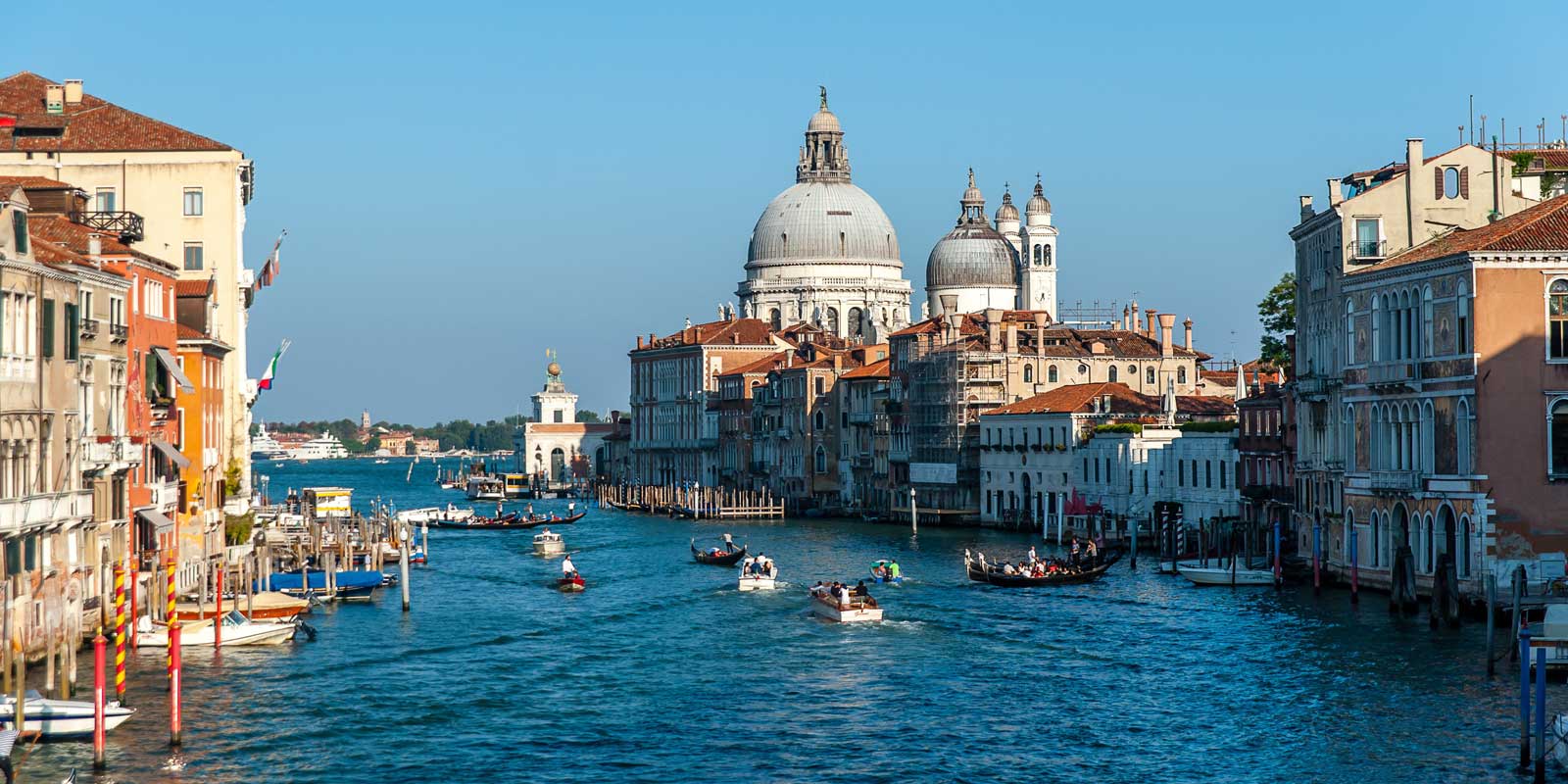
In the quiet moments of early evening, when warm light softens the stones along the Grand Canal and the city settles into its timeless rhythm, Venice reveals its culinary soul. Inside neighbourhood bacari-where wooden counters shine from decades of conversation and clinking glasses-a familiar scent fills the air: olive oil warmed gently, garlic softening in a pan, and the delicate perfume of cod transforming into one of Venice's most treasured dishes.
This is Baccalà Mantecato the city's signature whipped cod spread, silky and airy, unmistakably Venetian.
Baccalà mantecato is something more than a recipe; it is a culinary signature that epitomizes Venice's history as a maritime republic, its resourcefulness, and its deep connections with the wider world. What at first was a need, born from long voyages, became a refined delicacy, prepared with care in homes, trattorie, and bacari from Venice.
The post intends to explore its origins, reveal the traditional manner in which it has been prepared, explain why it is still so loved, and provide practical guidance on how it can be enjoyed-or prepared-today.
Best Food Tours in Venice
Origins & History of Baccalà Mantecato
Baccalà Mantecato has its beginnings in the 15th century with a Venetian merchant named Pietro Querini. In 1432, the ship on which Querini was traveling was wrecked near the Lofoten Islands of Norway. He was rescued by local fishermen, who taught him their method for preserving cod by air-drying it into stockfish. Querini returned to Venice with this preserved cod and soon realized the importance of having a protein that was nutritious and could last quite a while.
Stockfish-which in Venice was known either as baccalà or stoccafisso-soon became part of everyday life. Its durability made it perfect for voyages, religious fasting periods, and leaner months when fresh fish was in low supply. In due time, the Venetian cooks learned how to rehydrate and soften it, and what previously was a hard, wooden-like product was now tender and full of flavour.
Today's mantecato version-a whipped emulsion of cod and olive oil-was much longer in coming, probably in the 18th century. The Venetian cooks found that gently cooking and whipping with oil made it light and creamy, almost like a mousse, while what started as thrift and necessity was transformed into high preparation and preserved by households, taverns, and modern culinary associations bent on maintaining authentic techniques.
Today, Baccalà Mantecato summarizes centuries of trade, innovation, and adaptation. It reflects Venice's openness to foreign ingredients, respect for them, and the ability to turn those elements into something unique and quintessentially its own.
What is Baccalà mantecato — Ingredients & Traditional Preparation
Baccalà mantecato is a creamy spread from dried or salted cod with olive oil, garlic, and minimum seasoning. Few ingredients make up this preparation, but the magic is in the emulsification-where cod and oil are whipped together until they form one smooth, velvety blend.
Cod: Stockfish or Salted Cod?
In Venice, the term baccalà most often refers to stockfish - cod that's been air-dried to an incredibly hard state. Salted cod is common too, and both can result in excellent Baccalà Mantecato if treated properly. The trick is proper rehydration and desalting.
Traditional Steps of Preparation
Soaking: The cod is allowed to soak for a longer period of time, ranging between 24 and 48 hours, depending on whether it is salted or dried. Water changes are frequent: the excess salt is removed, and the flesh becomes softer gradually.
Low-and-Slow Cooking: After soaking, the cod is cooked with garlic, bay leaf, or lemon until it is tender enough to flake. Cooking should be done gently; vigorous boiling tends to toughen the flesh.
Cleaning and Flaking: Once cooked, cod is drained, cooled slightly, then cleaned of bones and skin. Flesh gets torn into small flakes as the preparation goes on to the most important step.
Emulsification: Traditionally, the cod was whipped with a wooden spoon and a steady wrist, slowly adding extra-virgin olive oil until it reached a thick, mousse-like state. The motion is similar to making mayonnaise: you want to emulsify the oil into the cod fibres.
It should be airy, yet firm in texture, creamy, yet not greasy. Some cooks add a spoonful of warm cooking water or milk if needed for balance.
Seasoning & Serving: The final seasoning is modest: salt if needed, pepper, and sometimes parsley. Then it goes onto toasted crostini or over slices of grilled polenta, especially white-corn polenta, which is typical in the Veneto region.
In fact, it is still one of the most ordered cicchetti in bacari all over Venice, often selling out early each evening, which is a sign of its enduring popularity.
What Makes It Special — Texture, Flavor, and Culinary Significance
The beauty of Baccalà Mantecato, however, is in the transformation itself. A preserved ingredient once vital to survive a long time at sea has now been transformed into an elegant, velvety spread through painstaking technique.
A Masterpiece of Texture
Textural contrasts define the uniqueness of the dish. Stiff, dry at its beginning, the cod is soft, airy, almost buttery at its end. To arrive at such a transformation sans cream, butter, or other complicated ingredients says something about Venetian ingenuity.
Flavor Simplicity with Depth
The flavor is subtle, but complex. The subtle flavor of cod melds with the fruitiness of the olive oil in a harmonious and savory profile. Garlic or bay leaf subtly accents the spread without overpowering it. Due to the few elements this recipe relies on, ingredient quality will dictate much of the final character, especially with regards to the olive oil.
Culinary and Cultural Significance
Baccalà Mantecato has a deep cultural significance in Venice. Traditionally, it was eaten during Lent and other times when meat was avoided, as a "lean" yet filling meal. During winter and festive seasons, the consumption of Baccalà Mantecato used to increase because comforting yet light food is preferred.
It's also a symbol of the city's proximity to the sea, recalling the era in which trade routes deposited exotic merchandise into the lagoon and necessity drove imagination in the kitchens of nobles and fishermen alike.
A Versatile Dish
It is such versatility that will continue to give Baccalà Mantecato a place in modern cuisine, whether as an antipasto in refined restaurants, a cicchetto in bustling bacari, or a festive dish in home kitchens. Whether served with polenta, bread, or fresh vegetables, it adapts with ease and proves timeless in appeal.
Variations and Modern Adaptations
While traditionalists insist on preserving the original method, with time, other variations came up, each offering slight differences.
Techniques: Modern Versus Traditional
A classic purist relies on an emulsion of the cod and olive oil, whipped by hand entirely. Modern cooks may use food processors for the same texture more quickly, though some argue the machine changes the mouthfeel.
Flavour Adjustments
Some recipes include additions such as lemon zest, milk for poaching, or a bay leaf in cooking. Others add fresh herbs like parsley or chives to brighten it. A bit of potato is occasionally added to moderate the texture, though this is admittedly controversial among purists.
Expanded Serving Ideas
While crostini and polenta remain the most iconic pairings, Baccalà Mantecato is enjoyed nowadays in: antipasto platters, dips with vegetables or crackers, modern seafood plates, small tasting spoons for gourmet events.
Some chefs of contemporary Venetian restaurants may present it with infused oils, citrus gels, or edible flowers, but that really just proves that even ancient recipes can inspire modern creativity.
Best Venice Passes
When & Where Venetians Enjoy Baccalà Mantecato
To intimately know Baccalà Mantecato, one has to observe Venetians using it throughout seasons and settings.
As an Aperitivo or Cicchetto
Locals in Cannaregio, in Dorsoduro, or around the bustling Rialto Market most often have a plate of these cicchetti with a small glass of wine. Baccalà Mantecato makes a pretty common appearance next to polpette, anchovies, and pickled vegetables. Its creaminess pairs well with crunchy bread or grilled polenta.
During Festive Seasons
It is prepared by families for Christmas gatherings and becomes customary during the Lenten period, reflecting its role as both a satisfying yet appropriate dish for days of abstinence.
In Home Kitchens
Though it may seem like the specialty of a restaurant, many families in Venice continue to make it at home-especially those who can get their hands on good stockfish. And each family has its own version-some guarding their proportions and whisking methods with almost ceremonial secrecy.
At Bacari and Trattorie
From the historic bacari around Rialto to the quiet taverns of Dorsoduro Venezia, Baccalà Mantecato is still available. The fact that one can find it anywhere says much about its status as more than just a kind of food, but a cultural signifier-something every Venetian expects to find wherever good cicchetti are served.
How to Make Baccalà Mantecato at Home — Practical Guide
With a little bit of patience and the attention to all details, absolutely one can make Baccalà Mantecato at home. This is a very simple recipe, so technique is central.
Ingredients
The best cod salted or dried.
Light extra-virgin olive oil
Garlic (optional)
Bay leaf or lemon peel
Salt and pepper
Parsley for garnish
Serve with crostini or polenta
Step-by-Step Procedure
Soaking the Cod: If using stockfish, soak 36–48 hours, changing the water several times. For salted cod, less time is required—usually 24–36 hours.
Poach the Cod Gently: Simmer with aromatics until the flesh becomes tender enough to flake. Avoid strong boiling.
Clean the Fish: The skin, bones, and cartilage should be carefully removed. Flake the flesh with fingers or fork into small pieces.
Start the Emulsion: Place the warmed cod in a bowl. With a wooden spoon, stir energetically, while drizzling the olive oil in slowly. It is all about gradual incorporation, allowing the fibres to absorb and hold the oil.
Adjust Texture: If it should be too heavy, mix in a spoon of hot water in which it had been cooked or a splash of milk. Continue beating up until white and creamy with a fluffy mixture.
Final Seasoning: Taste and adjust for salt, since the salted cod may be very salty. Add pepper. Garnish with parsley.
Serving Suggestions
Serve Baccalà Mantecato: on crostini, atop grilled slices of polenta, on small plates as a cicchetto, paired with cool white wine from the Veneto region
Storage: The spread will keep in the refrigerator for one to two days. Serve chilled or at room temperature for the creamiest texture.
Visitor and Ticket Information
Visitor Information
Opening Hours: Many places serving Baccalà Mantecato, from the classic osterie to bacari, are open around noon (lunchtime) and early evening (aperitivo/dinner time). Some bacari, however, start opening late in the morning and may remain open after dinner to cater to tourists and locals alike.
Variable hours: With so many small and family-run bacari, the hours of opening may vary from day to day. It's a good idea to try for lunchtime-around 12:00-14:00-or early evening, 18:00-20:00-when the food will be fresh and the atmosphere lively.
Plan ahead: During weekends and peak tourist season, dinner service at popular venues may fill up rather quickly. Coming earlier, or shortly after opening, helps to get a seat with portions that are fresh.
Best Time to Visit Lunchtime: For a meal that's more relaxed, with fewer crowds, and fresh preparation of Baccalà Mantecato, served on toasted crostini or polenta. Aperitivo/Early Evening: This is a traditional social time in Venice. Locals stop by the bacari to have cicchetti and wine. Creamy cod spread enjoyed with wine during this hour makes it a genuine Venetian experience. Low season, late afternoon, and evening: for those who like a quiet atmosphere and avoid tourist rushes, even in the most popular sestieri.
Dress Code and Entry Etiquette: Casual attire is appropriate. Bacari and osterie are informal, relaxed venues, with no need to wear anything formal or special dress.
Comfortable clothes and shoes are perfectly acceptable, especially if the plan includes strolling through the city's narrow calli or hopping between venues.
Smart-casual for sit-down trattorie, although most of the traditional serving spots for Baccalà Mantecato are modest bacari or casual taverns.
Entry is easy and informal: walk in, choose from the dishes on display, order at the counter (or from a table, if this is an option), pay, and enjoy. Many bacari don't take reservations; it's strictly a walk-in affair.
Cost & “Ticket” Information (What to Expect to Pay)
Affordable pricing: depending on the serving, a portion of Baccalà Mantecato served on bread or polenta is generally low-priced compared to complete meals, thus quite affordable for any type of tourist.
Wine or drink pairing: Many visitors couple their spread with a modest glass of local wine or spritz. The drink prices in bacari remain reasonable, hence making the overall experience affordable yet indulgent.
No special ticket required: There is no such thing as a formal “ticket” or an entrance fee for consuming Baccalà Mantecato. Guests simply pay for what they order — food and drink — directly at the counter or from staff.
Online Booking: Generally not necessary: Since Baccalà Mantecato is most commonly served in bacari or osterie, which are more like casual wine bars or taverns than full-fledged restaurants, reservations are seldom available or necessary. One can usually enter on a first-come, first-served basis.
When to book: If one wants to dine at sit-down trattorie or during peak periods-holidays, weekends, festivals-a reservation may help, especially if one prefers a table seat or a multi-course dinner including Baccalà Mantecato.
Guided Tours & Food-Culture: Experiences For those visitors looking for a guided introduction to Venetian cuisine, there are Food Tours or Bacari Walks, where Baccalà Mantecato is often featured among other local dishes.
These combine several tastings with local wine and context about the gastronomic history of Venice, offering convenience as well as an immersive way to sample traditional fare without the barriers presented by language or ordering.
Such tours are particularly helpful for first-time visitors who look for exposure not only to classic lagoon inspired dishes and local wine culture but also to neighborhood bacari off the beaten path.
Our Recommended Visit Format (“Ideal Experience”)
Spritz O’Clock in Venice: A Classic Aperitivo Experience
Rialto Market Food & Sightseeing Tour in Venice with a Local
Private Tour of Murano Glass Factory with Master Glassmaker
Why Baccalà Mantecato Matters: Cultural & Gastronomic Significance
Baccalà mantecato represents the ultimate in Venetian gastronomy: simplicity honed through technique, history preserved through flavour, and resilience expressed through adaptation.
A symbol of Maritime Identity
The dish exists because of Venice's centuries-long dialogue with the sea and its trade routes. Without Querini's shipwreck and the appearance of stockfish, one of the most character-defining elements in Venetian cuisine would never exist.
A Testament to Culinary Ingenuity
Few dishes illustrate the power of technique over ingredients as well as Baccalà Mantecato. Venice transformed a tough, preserved fish into a delicate spread by nothing more than patience, olive oil, and skill.
A Bridge Between Social Worlds
It appears on Christmas dinners, on simple family tables, and at celebrated bacari. It pertains both to humble and refined contexts, showing the inclusiveness of Venetian cuisine.
A Protected Tradition
Safeguarding it for future generations is the continuing teaching, preservation, and celebration of the traditional recipe by culinary associations and food communities of Venetian origin.
Best Venice Entry Tickets
Conclusion — The Heart of Venetian Cuisine in a Dish
Baccalà mantecato is so much more than a cod spread-it speaks of shipwrecks, of trade, of survival, of ingenuity, of continuity. Every spoonful carries with it the echoes of the Venetian Lagoon, tales of merchants and sailors, of tastes gained and tastes lost through the centuries.
Whether eaten on a slice of warm polenta in a bacaro near Rialto or painstakingly made at home, it connects those who taste it to the long arc of Venetian history. Tasting Baccalà Mantecato means experiencing Venice, not as a postcard, but as a living city, which takes shape from water, commerce, and tradition.
For travelers and food lovers alike, it remains an essential dish-one that turns simplicity into elegance and necessity into art.